


More news on this day
TAAG Angola Airlines is sharpening its European ambitions with a new commercial push built around a strengthened travel trade network, including the appointment of AVIAREPS as its General Sales Agent for Europe and fresh capacity on flagship routes such as Luanda–Lisbon.
Get the latest news straight to your inbox!
AVIAREPS Mandate Signals Fresh European Growth Drive
Publicly available information from TAAG’s latest press releases shows that the Luanda-based carrier has appointed AVIAREPS as its General Sales Agent across Europe, a move framed as part of an international growth strategy. The mandate is designed to deepen TAAG’s commercial presence in European markets by giving the airline dedicated on-the-ground representation focused on sales, marketing and distribution support.
According to published coverage of the agreement, AVIAREPS will work with travel agencies, tour operators and corporate travel buyers to promote TAAG’s services, with an emphasis on strengthening its profile beyond the Lusophone segment where the airline is already well known. The partnership is expected to help TAAG diversify its customer base in Europe while supporting higher load factors on long-haul services to Luanda and onward African destinations.
Industry reports indicate that the GSA deal also aims to streamline engagement with the wider travel trade. By consolidating sales and marketing efforts under an experienced intermediary, TAAG is positioning itself to react more quickly to market shifts, deploy tactical promotions and improve visibility in key European source markets for African tourism and business travel.
The timing of the AVIAREPS mandate aligns with broader changes in TAAG’s fleet and network plan, pointing to a coordinated effort to match upgraded capacity with stronger distribution in one of its most strategically important regions.
Fleet Modernisation Supports Luanda–Europe Capacity
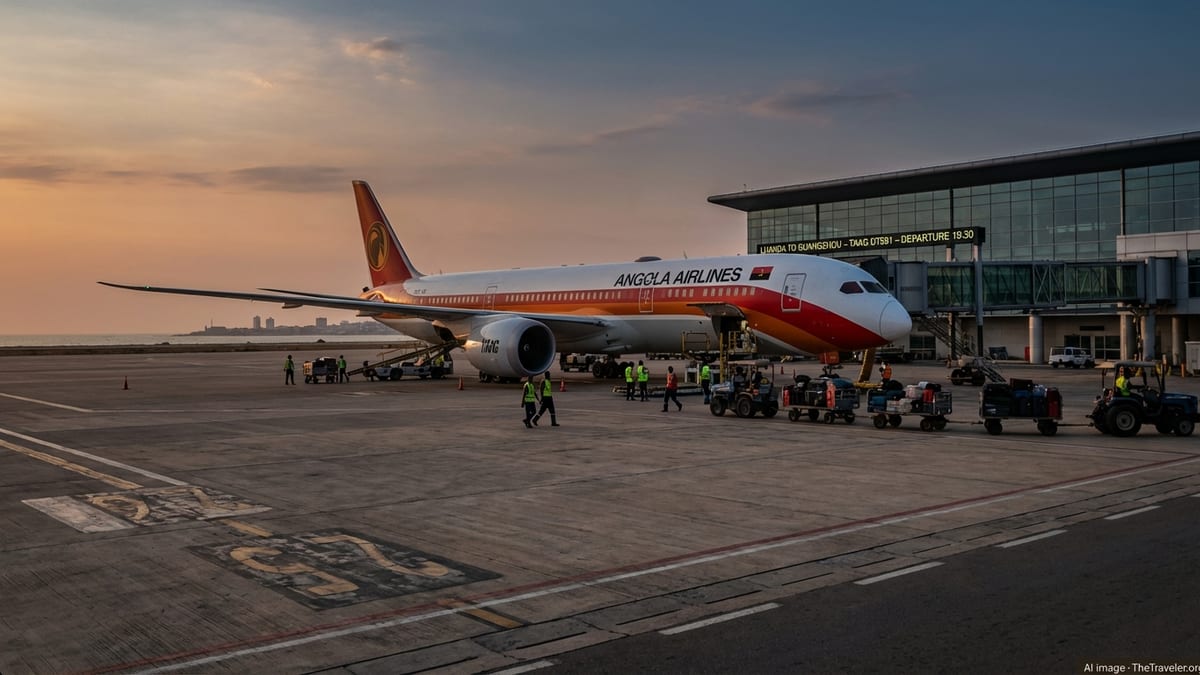
TAAG’s focus on Europe is underpinned by a visible upgrade to its long-haul fleet. Government and airline communications monitored in July 2026 confirm that the carrier has introduced the Boeing 787-10 Dreamliner on the Luanda–Lisbon–Luanda route, marking the first deployment of this aircraft type on its European services. The move follows the aircraft’s certification by the European Union Aviation Safety Agency and forms part of a phased renewal of TAAG’s long-haul operations.
Official notices from Angola’s civil aviation bodies indicate that the 787-10 is intended to support rising demand between Angola and Portugal, which remains TAAG’s primary year-round European market. The larger, more efficient aircraft is expected to provide improved passenger comfort while helping the carrier manage operating costs on a route with strong business, visiting-friends-and-relatives and cargo demand.
Complementing the 787-10 deployment, leasing and aircraft finance disclosures show that TAAG has also entered into a sale-and-leaseback agreement with AerCap for an additional Boeing 787-9. The transaction, announced in late 2024, is described as a step toward expanding the airline’s network across Africa, Europe and Asia by adding fuel-efficient widebody capacity.
Taken together, these fleet moves indicate that TAAG is preparing for sustained growth on long-haul markets, with European services a central pillar. The enhanced trade representation provided by AVIAREPS appears calibrated to help fill this new capacity by widening the airline’s reach into European distribution channels.
Partnerships and Codeshares Extend European Reach
Beyond its own metal operations, TAAG has been using partnerships to widen access to European points. Ministry of Transport bulletins and airline social media updates highlight a codeshare arrangement with Iberia that enables TAAG passengers to connect via Madrid to major European cities including London, Amsterdam, Rome, Milan, Geneva, Zurich, Brussels and Porto. This cooperation gives Luanda-origin passengers one-stop access to a wider European network while channelling additional traffic onto TAAG’s Luanda–Madrid and Luanda–Lisbon flows.
Government communications on the Iberia agreement describe it as a tool for strengthening connectivity between Africa and Europe, supporting trade and tourism flows in both directions. By combining Iberia’s European coverage with TAAG’s African footprint, the arrangement positions Luanda as a viable alternative hub for travellers bound for Southern and West Africa in particular.
In parallel, TAAG has pursued interline and codeshare arrangements with carriers in other regions, notably in Brazil, to support two-way traffic between South America, Africa and Europe. Publicly available airline statements emphasise that these partnerships are central to the company’s plan to transform Luanda’s new Dr. Antonio Agostinho Neto International Airport into a regional connecting hub able to feed long-haul European services with transfer traffic from neighbouring markets.
Analyst commentary in specialist aviation media suggests that this connectivity strategy is designed to move TAAG away from a purely point-to-point model. By relying more heavily on hub-and-spoke flows, the airline aims to sustain higher frequencies on its most important intercontinental routes and improve aircraft utilisation.
Travel Trade Focus Targets Corporate and Leisure Segments
The decision to strengthen TAAG’s European travel trade network reflects a recognition that growth will come from both corporate and leisure segments. Materials shared through the AVIAREPS appointment point to a focus on building relationships with travel management companies serving Angola-linked energy, construction and mining clients, which continue to generate premium demand on the Luanda–Europe corridor.
At the same time, published travel industry analysis highlights a rise in leisure interest in Angola and neighbouring destinations, driven by improved air links and regional tourism initiatives. By working more closely with tour operators and online travel agencies, TAAG is positioning its European services as gateways to Southern and West African destinations such as Cape Town, Johannesburg, Lagos and Maputo, as well as Angola’s domestic network.
Recent partnerships on the cargo side, including a reported agreement with Habana Forwarding to strengthen freight flows on Luanda–Lisbon and beyond, underscore the airline’s interest in securing a broader mix of revenue on its European routes. Freight contracts with logistics intermediaries can help stabilise long-haul yields and make additional passenger capacity more commercially sustainable.
Industry observers note that aligning these trade initiatives with upgraded long-haul aircraft is likely to be critical. The combination of a modern fleet, hub connectivity and a more structured trade engagement strategy could allow TAAG to compete more effectively for European-origin passengers in a market where African carriers are seeking higher visibility.
Strategic Plan Positions Luanda as a Gateway Between Africa and Europe
TAAG’s intensified European push is taking place against the backdrop of a multi-year transformation programme and a new five-year business plan developed with external consultants, as outlined in African airline association publications. The plan emphasises network expansion, a modernised fleet and a shift toward using Luanda as a connecting hub linking Africa with Europe, South America and parts of Asia.
Background documents from regional aviation bodies describe how TAAG’s previous model was more dependent on point-to-point traffic to and from Angola, especially to Europe and Brazil. The current strategy instead seeks to increase transfer traffic by using new-generation aircraft and broader partnerships to attract passengers whose journeys begin or end outside Angola.
The opening of Luanda’s Dr. Antonio Agostinho Neto International Airport, with expanded capacity for both passengers and cargo, supports this ambition. Reports on airport operations show that TAAG has moved international flights to the new facility, while some partner airlines are still phasing in their presence. This gives the national carrier a head start in shaping the hub’s connectivity profile, particularly on flights to Lisbon and other European gateways.
As TAAG’s European growth drive unfolds, the strengthened travel trade network anchored by AVIAREPS, the introduction of 787 Dreamliners and the deepening of codeshare and cargo partnerships suggest a coordinated effort to position the Angolan flag carrier as a more prominent player in Europe–Africa travel. Market response over the coming seasons will indicate how effectively this strategy translates into sustained traffic and revenue growth.
TAAG Angola Airlines Press Releases
CIAM: TAAG liga Europa com Boeing 787-10 Dreamliner
Ministério dos Transportes de Angola: acordo TAAG–Iberia