


More news on this day
Recent alerts from the U.S. Embassy in Nepal are advising American citizens to avoid flood-hit districts and low-lying areas as severe monsoon flooding continues to disrupt travel, damage infrastructure, and complicate emergency response across parts of the country.
Get the latest news straight to your inbox!
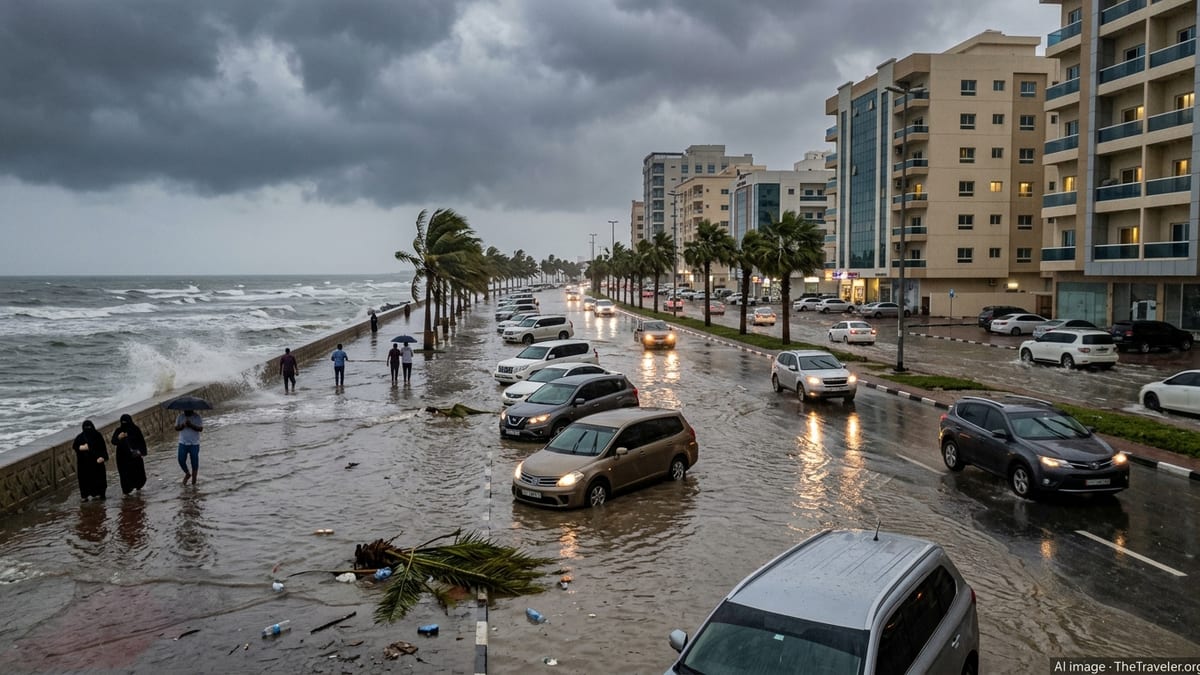
Embassy Alerts Follow Deadly Floods in Rasuwa District
Heavy monsoon rains in late August have triggered destructive flash floods in Nepal’s Rasuwa district and downstream river valleys, resulting in fatalities, washed-out roads, and widespread evacuations. Publicly available information from the U.S. Department of State and the U.S. Embassy in Kathmandu describes a rapidly evolving situation in which communities along key river systems remain at risk from further flooding and landslides.
According to published coverage of official statements, U.S. officials in Washington have highlighted the scale of the disaster in Rasuwa, while also announcing additional humanitarian support for affected communities. Recent updates indicate that a disaster response advisor has been deployed to the region and emergency funding is being directed to shelter, relief items, and water, sanitation, and hygiene assistance.
Reports indicate that communications in the hardest-hit localities remain intermittent, complicating efforts to account for residents and foreign visitors. The combination of washed-out bridges, blocked mountain roads, and unstable slopes has made overland access to some flood-affected villages especially difficult in the days following the initial surge of water.
Publicly available information shows that the U.S. government is also using its global messaging platforms to encourage citizens in Nepal to monitor local media, stay in contact with family and tour operators when possible, and maintain updated details in the Smart Traveler Enrollment Program, which is used for disseminating emergency alerts.
Advisories Urge Travelers to Avoid Flood-Hit Areas
Recent alerts disseminated through the U.S. Embassy in Nepal’s social media channels and security messages emphasize that U.S. citizens should avoid areas directly affected by the flooding in Rasuwa and nearby districts. The alerts reference warnings from Nepali authorities about dangerous conditions along the Bhote Koshi, Trishuli, and Narayani rivers, and advise travelers to stay away from riverbanks and low-lying terrain where water levels can rise quickly.
According to publicly available embassy messaging, U.S. citizens in Rasuwa, Nuwakot, Dhading, Gorkha, Chitwan, and Tanahun are being urged to seek higher ground and to follow instructions issued by local disaster management bodies. Travelers already in these regions are being advised to reconsider nonessential movements, particularly where routes cross steep valleys, narrow gorges, or areas with a recent history of landslides.
Guidance shared by the embassy repeatedly cautions travelers against walking, swimming, or driving through floodwaters, noting that road surfaces, culverts, and bridges can be undermined or entirely washed away. Public information stresses that even shallow water can conceal fast currents or debris and that attempting to cross can quickly become life-threatening.
In addition to the warnings specific to the current flooding, the U.S. Department of State’s broader travel advisory framework continues to highlight natural disasters as a key factor in risk assessments for many destinations worldwide. The Department’s publicly accessible traveler toolkits describe how floods, storms, and related hazards can cut off power, degrade health services, and isolate communities, creating conditions that are particularly challenging for visitors.
Road Closures and Travel Disruptions Across Central Nepal
Alongside the safety-related guidance, recent updates point to widespread disruptions to surface transport in central Nepal. Reports referencing Nepali government announcements describe significant restrictions on travel along the Prithvi Highway, a major east–west route linking Kathmandu with Pokhara, as well as on key feeder roads connecting the capital to Rasuwa and other mountain districts.
Publicly available information from embassy alerts notes that the Galchhi–Nuwakot–Rasuwa–Syafrubesi road and the Mugling–Narayangadh road have both been affected by flooding, landslides, or damage to bridges. These routes are important for both domestic travelers and international visitors heading toward popular trekking gateways in the Langtang region and toward the southern lowlands.
Travelers are being encouraged to expect delays, cancellations, and last-minute changes to itineraries as authorities assess damage and prioritize emergency access. Published coverage indicates that some communities remain reachable only by helicopter or on foot, and that reopening timelines for damaged stretches of highway remain uncertain.
Broader U.S. government travel advisory guidance underscores how large-scale floods can produce secondary effects such as shortages of fuel, food, and medical supplies in isolated areas. Information compiled in official traveler preparation materials notes that even in countries not currently at a Level 3 or Level 4 advisory, localized natural disasters may temporarily make certain regions unsuitable for tourism.
Guidance for Americans With Upcoming Trips to Nepal
For U.S. citizens planning travel to Nepal in the coming weeks, publicly available State Department resources recommend closely reviewing the main country travel advisory, as well as any recent security alerts and messages from the U.S. Embassy in Kathmandu. These documents outline current risk levels, identify affected regions, and provide guidance on medical care, transportation, and communication options during emergencies.
Traveler toolkits produced for U.S. citizens emphasize the value of flexible itineraries in destinations prone to seasonal flooding or landslides. Recommendations include allowing for extra time between internal connections, confirming local transport arrangements shortly before departure, and identifying alternate routes or backup plans if primary roads are blocked.
Published guidance also highlights the importance of travel insurance that covers disruptions due to natural disasters, including trip cancellation, evacuation, and medical assistance. Travelers are encouraged to verify policy exclusions and ensure that adventure activities or trips to remote areas are explicitly covered when relevant.
For those already in Nepal, the latest embassy messages advise maintaining regular contact with accommodation providers, trekking companies, and airlines, and informing family or friends outside the country of any changes in location. U.S. citizens are being urged to use text, email, or messaging applications when cellular networks are congested and to reserve voice calls for emergencies.
Monitoring Conditions and Staying Connected
The current situation in flood-affected districts of Nepal illustrates how quickly conditions can change during the monsoon season. Publicly available information from U.S. government channels stresses that travelers should monitor local news, weather updates, and official social media feeds for any new warnings or road closure announcements, rather than relying solely on information received at the time of booking.
State Department resources continue to encourage enrollment in the Smart Traveler Enrollment Program, which helps U.S. missions abroad distribute real-time safety and security messages. In major emergencies, this system can also assist in accounting for U.S. citizens and providing information on local assistance points, evacuation options, or documentation needs.
Security-focused travel toolkits point out that advance preparation and situational awareness can significantly reduce risk in crisis-prone environments. These materials note that travelers who research seasonal hazards, identify nearby medical facilities, and understand local emergency numbers are generally better positioned to react quickly when conditions deteriorate.
As the monsoon season progresses, analysts expect embassy messaging about flood risks to remain fluid, with updates reflecting changes in river levels, road conditions, and humanitarian needs. For now, the consistent advice in public guidance remains clear: avoid flood-hit areas, stay well away from fast-moving water, and be prepared to adjust travel plans at short notice if conditions worsen.