


More news on this day
Passengers flying through London Gatwick on Tuesday, 19 May are encountering scattered delays and a modest number of cancellations, as wider transport disruption across southern England puts added pressure on one of the UK’s busiest airports.
Get the latest news straight to your inbox!
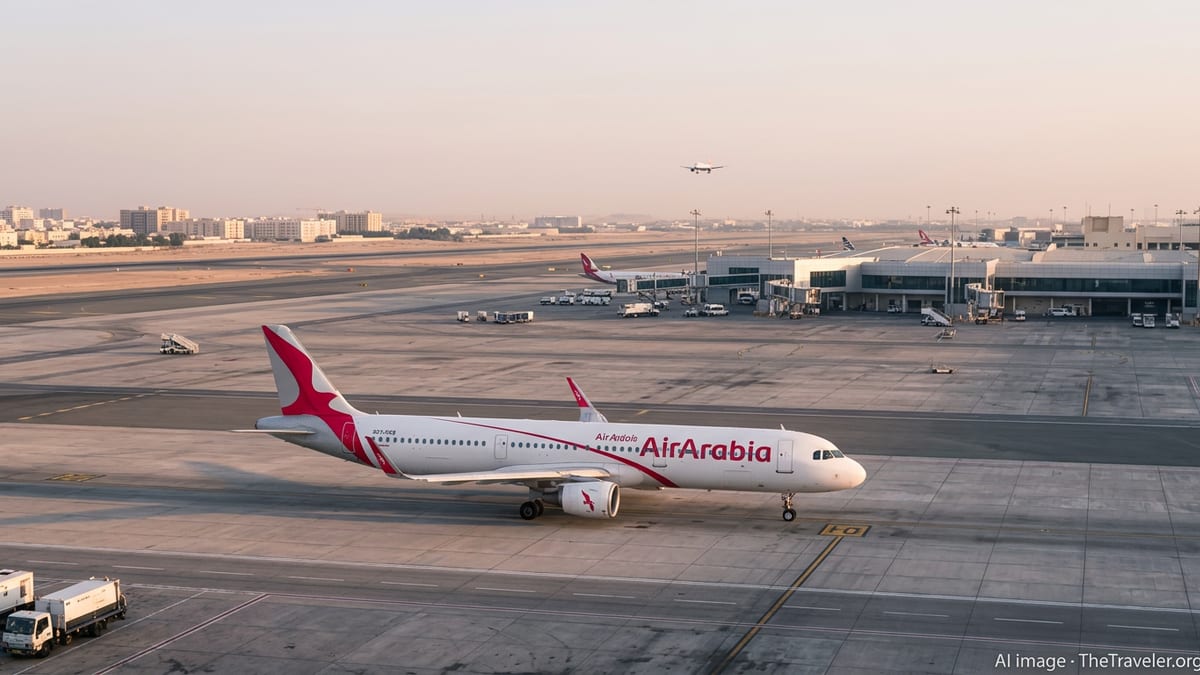
Departures show pockets of disruption across key short haul routes
Publicly available flight-tracking and schedule data for London Gatwick on 19 May indicates a pattern of isolated delays rather than widespread chaos, with many services operating close to schedule while others run behind by 30 minutes or more. Morning and early afternoon departures have generally held up, but some later rotations are showing knock-on effects from earlier congestion on busy European routes.
Short haul flights to popular leisure destinations and near-Europe hubs appear to be bearing much of the strain. Services to cities such as Dublin and other high-frequency European destinations are largely operating, but some rotations are departing behind schedule as aircraft and crews cycle through crowded turnarounds. Flight comparison and planning tools list full schedules on the London Gatwick to Dublin route today, pointing to a normal program in place, even as individual services experience minor timing issues.
Low cost carriers, which dominate Gatwick’s schedule, are continuing to operate dense timetables into the evening. Industry data and recent airline updates suggest that, in the absence of major weather or air traffic control incidents, operators have focused on preserving core departures and trimming only a small number of frequencies when required. This has left passengers more likely to face delay than outright cancellation on the majority of routes.
Available operational statistics for the current season also show Gatwick working to maintain punctuality around its stated targets, with airport documentation setting expectations for on-time departures during peak summer periods. While daily performance fluctuates, today’s picture so far aligns more with a busy, occasionally delayed schedule than a heavily curtailed one.
Arrivals experience knock-on delays but limited cancellations
Inbound services to Gatwick on 19 May are reflecting a similar pattern, with many flights arriving close to their scheduled times while a subset lands late due to earlier congestion elsewhere in the network. Online arrival boards and aviation data services viewed during the afternoon show several flights running behind by around 30 to 60 minutes, particularly on routes where aircraft have already operated multiple sectors during the day.
There are reports of a limited number of outright cancellations, largely concentrated on selected short haul services rather than long haul operations. These appear to be spread across different airlines rather than confined to a single carrier, consistent with airlines adjusting capacity in response to aircraft availability, crew rostering and broader European airspace constraints.
Travel industry coverage over recent weeks has highlighted ongoing pressures on airline operations, including tight schedules, higher seasonal demand and lingering effects from earlier disruptions in the European network. These factors can contribute to late-arriving aircraft that in turn delay subsequent departures and arrivals at Gatwick, even when conditions at the airport itself are stable.
Despite these challenges, the overall arrivals picture at Gatwick today remains one of incremental delay rather than large-scale disruption. Passengers are still being advised, however, to monitor their flight status closely on airline apps and airport displays, as conditions can evolve quickly during the late afternoon and evening peaks.
Rail strikes and roadworks complicate access to the airport
Beyond the runway, getting to and from Gatwick today has become more complicated for some travellers. London Underground strike action beginning on Tuesday 19 May is causing severe disruption on multiple Tube lines, according to published guidance from Transport for London and national media reports. While the walkout is focused on the Underground rather than the mainline rail network serving Gatwick, the strike is increasing pressure across London’s wider transport system and making connections more unpredictable.
Gatwick-bound passengers who rely on rail links through central London may face longer journeys or busier interchanges as commuters and air travellers alike switch routes. Recent coverage from UK news outlets indicates that previous strike days have led to crowding on alternative services including mainline trains and regional rail, particularly at key hubs used by Gatwick passengers.
At the same time, official traffic updates point to overnight and evening roadworks on the M23 and connected stretches of the M3, key approaches for drivers heading to Gatwick from the south and west of England. National traffic bulletins for 19 May detail ongoing works between junctions serving the Gatwick turnoff and surrounding interchanges, with warnings of potential disruption during night-time hours and in the early morning.
These combined pressures mean that, even where flights are operating close to schedule, some passengers may struggle to reach the airport as smoothly as usual. Travel planners are advising additional journey time, particularly for those relying on a combination of rail and road to connect with early morning or late evening departures.
Wider policy changes and recent incidents shape the backdrop
Today’s operations at Gatwick are also unfolding against a shifting policy and infrastructure backdrop in the UK aviation sector. Earlier this month, national aviation coverage highlighted a relaxation of airport slot rules aimed at giving airlines serving the country’s busiest airports, including Gatwick, more flexibility to hand back slots in advance if they anticipate sustained disruption. The move is designed to reduce last minute cancellations during the peak summer period by encouraging earlier schedule adjustments.
Industry reports note that Gatwick is preparing for what airport executives have described as a transformative year, with major investment projects continuing and traffic volumes expected to build through 2026. Recent briefings from airport committees and stakeholders have underlined the importance of maintaining reliable day to day operations, including departure punctuality targets, even as construction and expansion work continues.
At the airline level, carriers based at Gatwick have spent recent weeks navigating broader challenges such as fuel supply concerns, European airspace bottlenecks and isolated weather-related incidents. While these factors are not driving a specific crisis at Gatwick today, they form part of the operational landscape that can tip a tight schedule into delay when conditions become marginal.
Observers point out that today’s relatively modest level of disruption highlights the fine balance faced by airports like Gatwick. With high utilisation of runway slots and limited slack in daily schedules, even minor external pressures can lead to clusters of delays, particularly at peak times, without necessarily triggering a full-scale breakdown of services.
What today’s pattern means for travellers heading through Gatwick
For passengers using London Gatwick on Tuesday, 19 May, the practical effect of today’s disruption is likely to be measured in minutes rather than hours for most journeys, with the greatest risk falling on those with tight connections or onward ground transport plans. A flight leaving 30 to 45 minutes late may still deliver holidaymakers to their destination on the same day, but can cause problems for travellers relying on specific train departures, coach services or same-day meetings.
Consumer advocates and travel planners consistently recommend that passengers build extra time into their itineraries when wider transport issues are present. With Tube strikes in London and roadworks on key motorways intersecting with a busy mid-May flight schedule at Gatwick, that advice is particularly relevant today. Travellers are encouraged to confirm their flight status close to departure, allow additional time for security and boarding, and consider contingency options for late evening arrivals.
Looking across the day so far, Gatwick’s experience on 19 May underlines a trend that has become familiar across European air travel in recent seasons. Instead of dramatic, headline-grabbing shutdowns, many passengers face a patchwork of smaller inconveniences: a delayed inbound aircraft, a slower than expected rail journey, or congestion on the motorway approaching the terminal.
As airlines, regulators and airport operators continue to adjust rules and invest in infrastructure, the hope is that such days of scattered disruption can be managed without escalating into widespread cancellations. For now, travellers passing through Gatwick today are navigating a system under pressure, but one that is broadly continuing to move.