


More news on this day
Flights across the US Northeast have largely resumed after a telecommunications failure at a Federal Aviation Administration facility triggered ground stops at several of the country’s busiest airports and disrupted travel nationwide.
Get the latest news straight to your inbox!
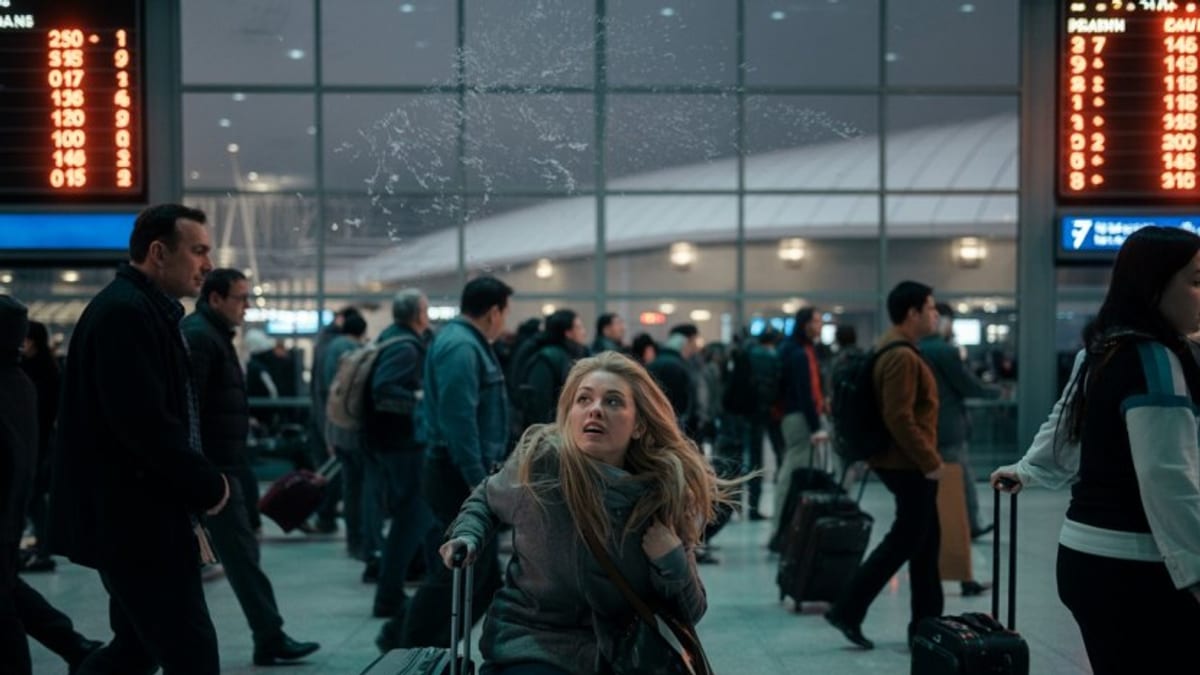
Telecom failure halts operations at key Northeast hubs
According to published coverage from Travel Weekly and other outlets, the disruption began on Monday, September 21, when a primary communications line failed at a Federal Aviation Administration facility responsible for managing air traffic into major Northeast airports. A backup fiber optic line supplying internet and voice connectivity was then severed during railway construction work in New Jersey, cutting key links between controllers and pilots.
The loss of communications led the FAA to pause arrivals at Newark Liberty International and Philadelphia International late in the morning. Ground stops were later extended to New York’s John F. Kennedy and LaGuardia airports, and flight-tracking data cited in multiple reports shows Boston Logan also experienced knock-on disruption as flights diverted away from the New York and Philadelphia areas.
Newark Liberty, one of the three main gateways serving the New York metropolitan area, emerged as the single most affected airport. Flight-tracking figures reported by Travel Weekly indicate that at least 267 departing flights and 257 arrivals at Newark were delayed during the outage, with hundreds of additional disruptions rippling across the domestic network as aircraft and crews fell out of position.
Publicly available information from aviation data providers shows that at the peak of the disruption, commercial air traffic into Newark nearly ground to a halt for several hours. Nationally, thousands of flights experienced delays or cancellations on Monday as airlines attempted to reroute aircraft and rework already busy late-September schedules.
Fiber line damage and infrastructure weaknesses under scrutiny
Subsequent reporting indicates that the immediate cause of the failure was damage to a telecommunications fiber line in New Jersey that served as a backup for the FAA facility’s primary circuit. Travel Weekly and other industry outlets attribute the cut to a construction crew working on rail infrastructure between Newark and New Brunswick, which severed the line and triggered a wider systems crash.
Officials at the Department of Transportation and the FAA, speaking through public briefings and social media posts referenced in multiple reports, have described the incident as a cascading technical failure: an initial circuit problem at a Philadelphia-area terminal radar approach control facility followed by the loss of the redundant path that was supposed to keep communications stable.
National and local news coverage notes that the same Philadelphia facility has been linked to previous disruptions, including an outage last spring that caused temporary ground stops for Newark-bound traffic. The recurrence is prompting renewed scrutiny of how resilient the region’s air traffic control infrastructure is, especially where critical systems depend on a small number of high-capacity fiber connections.
Commentary in aviation trade publications suggests the event will likely fuel calls for accelerated modernization of telecommunications and routing equipment used by air traffic control, with particular focus on diversifying backups so that a single severed line cannot disable both primary and secondary systems.
Flights resuming but delays linger for travelers
By early Monday evening, transportation officials reported that the damaged telecom lines had been repaired and that operations at affected airports were resuming. Newark Airport stated publicly just before 6 p.m. local time that it was dealing with residual delays linked to the FAA equipment outage, while national media outlets reported that arrivals and departures were once again moving through New York and Philadelphia.
Data from flight-tracking services cited across several news reports shows that, although the ground stops had been lifted, airlines faced an extended recovery period. Aircraft and crews were displaced across the network, and many flights were out of sequence after hours of halted or heavily reduced operations at some of the country’s most congested hubs.
Coverage from major US broadcasters and travel media indicates that disruptions carried into Tuesday, September 22, with ongoing delays and a smaller number of cancellations at airports throughout the Northeast corridor and at connecting hubs farther afield. Airlines also issued temporary travel waivers on select routes, allowing affected passengers to change plans without additional fees, according to publicly posted customer advisories.
Reports from Washington-area airports and other regional gateways show that flight numbers gradually normalized through Tuesday as carriers repositioned aircraft and staff. However, schedules remained vulnerable to further minor delays while operations were rebalanced and maintenance windows rescheduled after the previous day’s disruptions.
Impact on airlines, airports and the wider travel network
The outage hit during a busy travel period for the Northeast, with world leaders and delegations traveling to New York for the United Nations General Assembly and leisure and business travelers converging on the region’s hubs. Industry analysis highlights that any prolonged stoppage at airports such as Newark, JFK, LaGuardia, Philadelphia and Boston can quickly affect flights nationwide due to the volume of connecting traffic that flows through these gateways.
Travel industry publications report that airlines operating large networks from these airports, including both full-service and low-cost carriers, were forced to implement rolling delays, flight cancellations and diversions. Some services were rerouted to secondary airports or held at origin points until arrival restrictions eased, straining gate availability and crew duty limits at multiple locations.
Airport operators across the Northeast used public channels to warn passengers of significant waits at check-in, security and rebooking counters while urging travelers to monitor airline communications. With some aircraft out of position overnight, early-morning departures on Tuesday were also affected, even as air traffic control communications returned to normal.
Travel advisors and corporate travel managers following the situation reported through trade coverage that they were focused on rebooking stranded clients, revising itineraries involving tight connections through the Northeast and monitoring knock-on effects for international departures leaving from impacted hubs.
What travelers should know in the aftermath
Guidance compiled from airline advisories and travel media emphasizes that, although the telecommunications issue has been resolved, passengers flying to, from or through the affected region should continue to verify flight status before heading to the airport. Many carriers are updating schedules frequently as they accelerate the return to normal operations.
Published advice from consumer travel outlets recommends using airline mobile apps or text alerts for real-time updates, as these channels typically reflect schedule changes sooner than airport departure boards. Travelers with same-day connections in the Northeast are being encouraged to build in extra time and consider alternative routings where possible if they are on tight timelines.
Information from major airports indicates that normal security and check-in operations are in place, but wait times can fluctuate as delayed flights bunch together. Travelers with flexible plans may benefit from moving to off-peak departures where seats are available, particularly on short-haul routes that saw the heaviest clustering of delays.
While federal transportation officials have stated publicly that safety was never compromised during the outage, the episode is adding momentum to discussions about upgrading aging communications infrastructure and reinforcing redundancy in the national airspace system. For travelers, the event serves as another reminder that technical failures far from the terminal can still have swift and widespread effects on their journeys.