


More news on this day
The U.S. government has renewed warnings for Americans traveling to or living in the Middle East, pointing to heightened regional tensions and the risk of sudden travel disruptions as Houthi-linked attacks and threats continue to pressure Red Sea shipping lanes and nearby countries.
Get the latest news straight to your inbox!
What the latest U.S. advisories are telling travelers
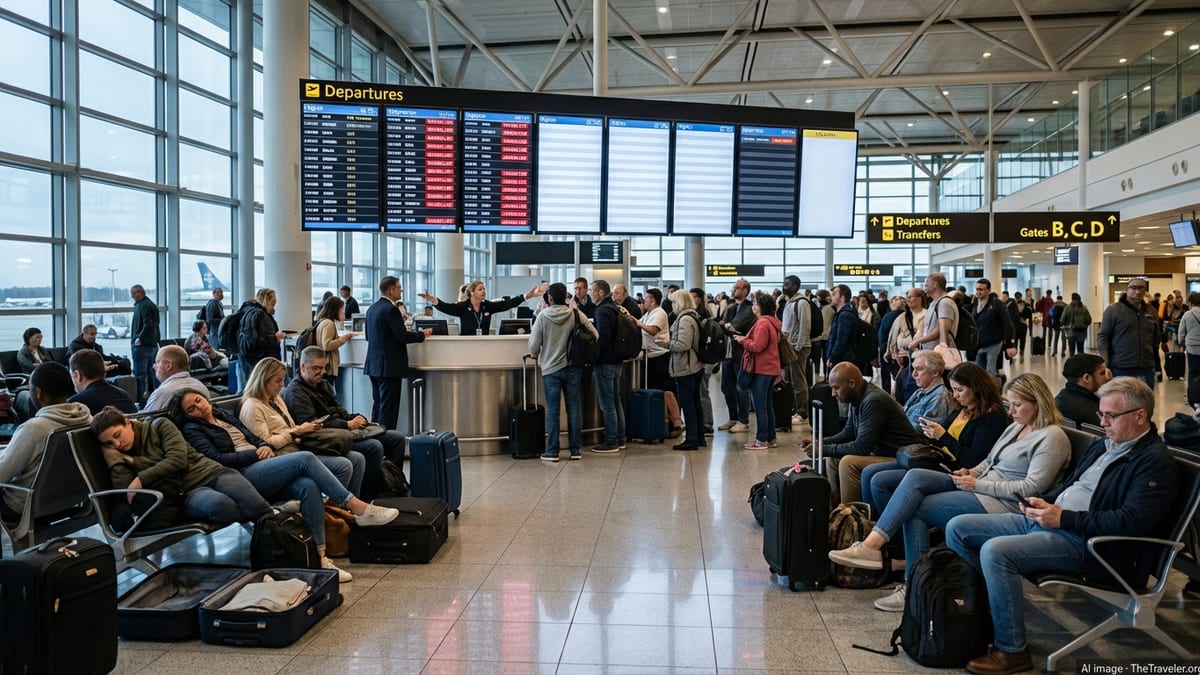
Recent U.S. State Department alerts have emphasized heightened vigilance for Americans in the Middle East and urged travelers to prepare for potential flight cancellations, periodic airspace closures, and other disruptions that can occur with little notice. The guidance has also highlighted the possibility that Iran-aligned groups could target U.S.-associated interests in the region and beyond, a warning that has appeared repeatedly across global and destination-specific advisories.
Destination pages for countries that border key waterways have also been updated with more specific language about missile and drone risks, maritime incidents, and regional security conditions. In the Saudi Arabia travel advisory, for example, publicly available updates have flagged risks including armed conflict and the possibility of Iranian drone and missile targeting, while also noting threats from Iran-backed Houthi forces and the broader danger to vessels in the Red Sea since late 2023.
Separate security alerts issued by U.S. embassies in the region in mid-to-late September have reinforced the same theme: conditions can shift quickly, and travelers may need to adjust routes, booking plans, and on-the-ground movement with limited notice.
Why Houthi activity in the Red Sea matters to tourists
Although many Americans associate Houthi attacks primarily with commercial shipping, the ripple effects can reach leisure travel quickly. When shipping incidents spike in the southern Red Sea and the Bab al-Mandab Strait, the consequences can include changes in maritime traffic patterns, increased security postures at ports, and knock-on impacts to regional air and sea operations.
Published coverage in September has described an escalation around Yemen’s west coast and islands near the southern Red Sea, alongside renewed warnings from international bodies about threats to maritime navigation. The Bab al-Mandab chokepoint, which connects the Red Sea to the Gulf of Aden, is particularly sensitive because disruptions there can affect movements into and out of the Suez route and the wider region’s trade and logistics.
For travelers, the practical concern is less about encountering a maritime threat directly and more about how quickly schedules and access can change. Cruise itineraries, ferry operations, and regional tours can be modified or canceled when insurers, operators, or governments assess higher risk, and aviation routings can also shift when airspace restrictions are imposed elsewhere in the region.
Where the risk is most visible right now
Publicly available advisories and coverage have repeatedly pointed to areas tied to the Red Sea and Gulf of Aden corridor, including waters near Yemen and traffic near the Bab al-Mandab Strait. U.S. maritime security guidance has described elevated risk of hostile actions against commercial vessels transiting the southern Red Sea, Bab al-Mandab, and Gulf of Aden, reflecting the continued threat environment for shipping in the area.
Across the region, heightened tensions have also been reflected in destination guidance for countries that have faced missile and drone threats. In Saudi Arabia, the State Department’s current advisory level is “Reconsider Travel,” and the advisory language references the potential for attacks occurring with little or no warning.
At the same time, Americans should not assume that a warning is limited to one country. The State Department’s broader “Worldwide Caution” messaging has specifically urged Americans in the Middle East to exercise increased caution and be prepared for disruptions, a framing that can apply to multi-country itineraries that include hub airports and onward connections.
How to plan trips and protect bookings amid fast-changing conditions
For travelers with upcoming Middle East plans, the most useful step is to check the current U.S. Travel Advisory level and the most recent embassy alerts for each destination and transit point, then re-check them closer to departure. Because advisory language often includes practical guidance about disruptions, it can help travelers anticipate issues like rebookings, route changes, or temporary closures that may not be obvious when purchasing tickets.
It is also worth building flexibility into flight and hotel choices. Travelers may want fares with change options, hotel reservations with clearer cancellation terms, and itineraries that avoid tight same-day connections. The State Department has repeatedly warned that airspace restrictions and flight cancellations can occur, so a buffer day at the start or end of a trip can reduce the cost and stress of sudden changes.
Finally, travelers can reduce risk by enrolling in the Smart Traveler Enrollment Program (STEP) so they can receive location-relevant alerts and make it easier for consular support to reach them in an emergency. For those already in the region, monitoring local airline notifications and airport advisories, along with U.S. embassy alerts, can help travelers respond quickly if schedules shift.
What to watch next across the region
Coverage over the past week has suggested that regional security dynamics are being influenced by both maritime risks and broader geopolitical tensions, including developments connected to Iran-aligned groups. Reports have also indicated diplomatic efforts aimed at limiting escalation and keeping key maritime corridors open, while international messaging has continued to warn against renewed threats to navigation in the Red Sea.
For travelers, the immediate watchpoints are straightforward: any notices of airspace restrictions, new embassy security alerts, and changes to Travel Advisory levels for countries around the Red Sea and Arabian Peninsula. Because the State Department’s guidance has underscored the potential for rapid escalation and sudden disruptions, trip planning in late 2026 increasingly hinges on flexibility, frequent re-checks of official alerts, and realistic expectations about last-minute changes.