


More news on this day
United Airlines has rolled out an automated “earlier-flight standby” option designed for customers whose trips get disrupted and who are rebooked onto a later departure. The feature, built into the United mobile app, lets eligible travelers request standby on up to three earlier flights to the same destination, while the app monitors availability in the background and sends a text alert if a seat opens.
Get the latest news straight to your inbox!
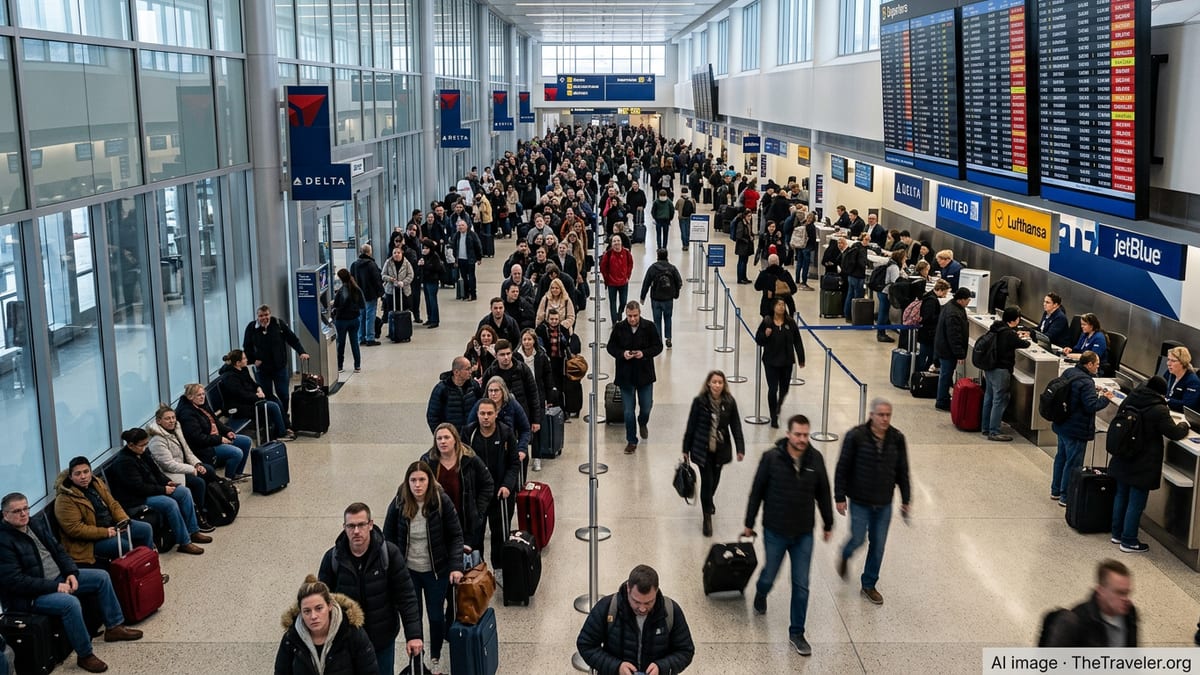
How the new standby automation works
According to published coverage and United’s own announcement, the new tool is aimed at a common pain point during irregular operations: a delayed or canceled flight triggers an automatic rebooking, but the replacement itinerary may be hours later than desired. Rather than repeatedly refreshing the app or searching flight-by-flight, customers can now place themselves on standby for earlier departures directly from their rebooked itinerary.
The process centers on choice and control. Customers can select up to three earlier United flights to the same destination, then step away while the system tracks open seats. When space becomes available, United sends a text message, allowing the traveler to decide whether to switch to the earlier flight.
A key detail for anxious travelers is that the feature is designed so customers can keep the later confirmed seat they already have until they choose to accept the earlier option. That reduces the risk of giving up a sure thing just to gamble on standby, a frequent complaint in traditional standby scenarios.
What United says is different about this approach
United is positioning the update as an app-first disruption tool that reduces the need for airport counter lines and repeated manual checks. In the airline’s description, the app does the “watching” behind the scenes and surfaces opportunities as they appear, instead of requiring the customer to actively hunt for availability.
While standby itself is not new, the automation and the way it is triggered are the differentiators. The feature is tied to disruption recovery: it is meant for travelers who have already been moved to a later flight after a disruption, and who want a path to leave earlier if operational conditions improve and seats open up.
The rollout also fits into a broader pattern of United expanding self-service tools inside its mobile app. Recent years have brought app-based rebooking flows, tighter connection support, and more real-time operational messaging that is meant to guide travelers through complex days of delays, cancellations, or missed connections.
Why this matters during peak disruption periods
When storms, air traffic constraints, or equipment and crew disruptions cascade, even small openings can be meaningful. A seat on an earlier flight might appear due to no-shows, misconnects, aircraft swaps, or last-minute reaccommodation decisions. Traditionally, many travelers try to pounce on those moments by repeatedly checking the app, calling reservations, or lining up at customer service.
Automated monitoring effectively turns that frantic process into a “set it and wait” workflow. For travelers, that can reduce time spent searching while juggling airport logistics, rebooking decisions, and gate changes. For the airline, shifting more of that activity to the app can potentially reduce pressure on airport agents and phone lines during the busiest disruption windows.
Published reporting on the feature also emphasizes that it does not eliminate the underlying constraints that determine whether anyone gets out earlier. Open seats, aircraft availability, and staffing realities still decide outcomes. What changes is how quickly a customer learns that a seat is available and how easily they can act on it.
What travelers should know before relying on it
The feature is specific to earlier flights to the same destination, and it is designed for disrupted customers who have been rebooked to a later flight. That distinction matters because it is not the same as voluntary same-day change or elective standby, which can involve different rules depending on ticket type, status, and fare conditions.
Travelers should also pay attention to the practical timing involved. Even if a seat opens, accepting an earlier departure may require moving quickly across terminals, rechecking a bag strategy, or rethinking plans for meals and ground transportation. United’s app has increasingly bundled operational tools like live updates and airport guidance, but the decision to switch still rests with the traveler.
Finally, the feature’s value will be greatest in markets with multiple frequencies to the same destination, where there are actually earlier alternatives to monitor. In thinner routes with fewer departures, there may be fewer options to choose from, and fewer opportunities for an earlier seat to appear.
Part of a bigger push toward app-based recovery
United’s earlier-flight standby automation arrives amid continued investment in digital operations and customer-facing tools. In past updates, the carrier has highlighted app features that surface rebooking options after disruptions, deliver certain vouchers digitally when eligible, and provide richer information for travelers navigating missed or tight connections.
The new standby capability extends that “push” model: rather than requiring customers to navigate multiple screens or search repeatedly, the app is designed to notify customers when a specific opportunity becomes available. That approach mirrors how other consumer apps handle scarce inventory, but it is still relatively new in airline disruption management, where inventory can change minute-by-minute.
For travelers, the immediate takeaway is straightforward: if a disruption lands you on a later United flight, the airline is making it easier to raise your hand for earlier options without sacrificing the confirmed backup seat. For United, the bet is that smoother self-service recovery will translate into less frustration on disruption days, and fewer customers feeling stranded at the gate.