


More news on this day
UAE residents planning travel in the coming days are navigating a fast-moving mix of US security messaging, evolving Iran ceasefire conditions linked to Strait of Hormuz access, and a fresh round of missile and drone threats near Saudi airspace that can quickly reshape flight schedules out of Dubai, Abu Dhabi, and Sharjah.
Get the latest news straight to your inbox!
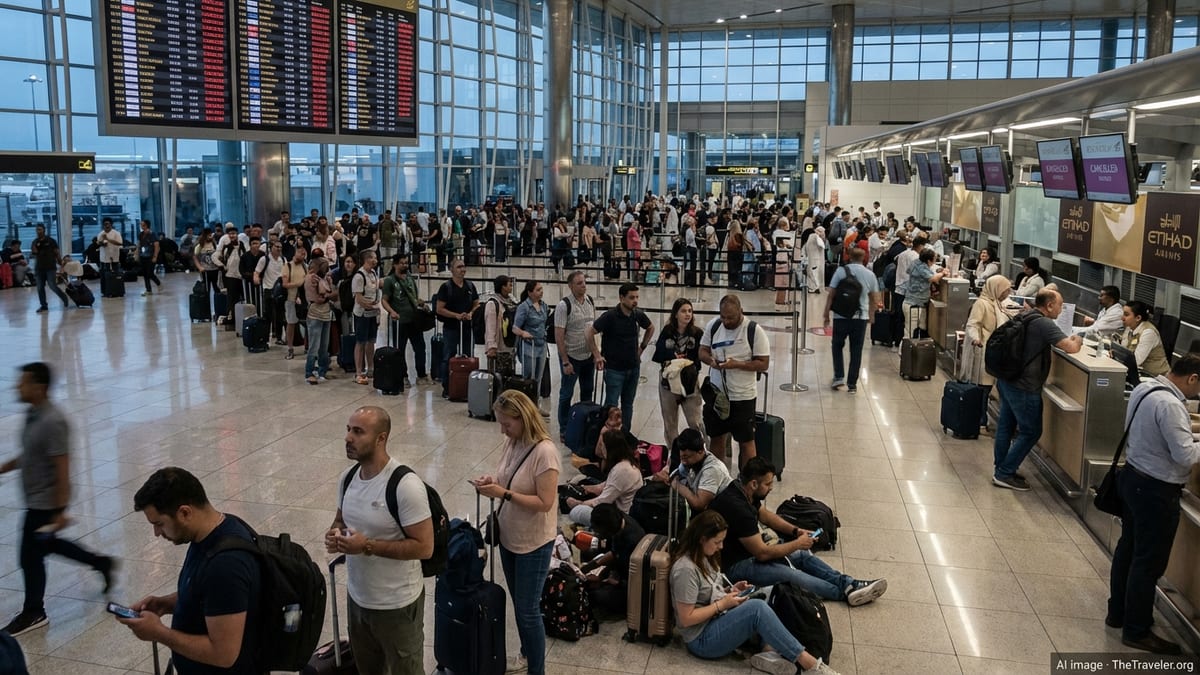
US travel alert: what it means for UAE-based travelers
Published coverage on September 20, 2026 indicates the US Mission to the UAE issued a security alert urging Americans outside the Middle East to seriously reconsider travel to and through the region, while advising those already in the Middle East to maintain heightened vigilance and anticipate short-notice disruptions such as airspace closures, flight cancellations, and re-routings.
For UAE residents, the practical impact is less about entry rules into the UAE and more about connectivity. When US messaging elevates regional risk, airlines and insurers often reassess exposure, and international carriers may tighten operational limits on certain routings, reduce frequencies, or pause services while they review the security environment.
Travelers transiting to the US should also factor in cascading knock-on effects: a cancellation or diversion in the Gulf can create missed long-haul connections, longer layovers, and tighter rebooking options, especially on peak travel days. Passengers with time-sensitive plans may want to build in extra buffer time, confirm ticket change rules before departure day, and keep documentation handy for rebooking or claims if disruption occurs.
Iran ceasefire terms and the Strait of Hormuz: why talks matter to travelers
Public reporting through mid-September 2026 has continued to link any durable US-Iran de-escalation to navigation and security arrangements in and around the Strait of Hormuz, a corridor that influences regional risk calculations even when commercial aviation is not directly over the waterway.
Recent commentary and coverage have focused on Iran’s stated conditions tied to easing tensions and reopening maritime traffic, including demands framed around sanctions relief and broader security guarantees, and calls for limitations on military pressure in the wider region. Other analyses describe a structured ceasefire framework dating to mid-2026 and ongoing disputes over interpretation and implementation, which helps explain why travelers may see abrupt swings between optimism and renewed operational caution.
For UAE residents, the key takeaway is that ceasefire headlines do not automatically translate into “all clear” for travel. Even when negotiations appear to progress, airlines can keep conservative routings and schedule buffers in place, because flight-planning decisions often prioritize avoiding potential flashpoints and maintaining predictable operations across multi-stop networks.
Saudi missile interception: regional security ripple effects on air routes
Published coverage on September 19, 2026 described Saudi Arabia reporting an attempted ballistic-missile attack targeting Riyadh, tied in coverage to Yemen’s Houthi movement. Separate reporting in mid-September has highlighted continued strain on regional air defense capacity and the broader context of escalatory cycles involving missiles and drones.
For aviation, these episodes matter because risk assessments can expand beyond the immediate impact zone. Airlines and regulators may adjust preferred flight corridors, increase fuel loads for contingency diversions, or avoid certain airspace blocks during specific hours, all of which can lengthen flight times and reduce on-time performance across the Gulf.
UAE residents should expect that the most visible change may not be a permanent suspension, but rolling, tactical adjustments: delayed departures while flight plans are refiled, longer routings to avoid restricted zones, and knock-on delays that affect inbound aircraft rotations. Those disruptions can be especially noticeable on short regional sectors where schedules are tightly sequenced.
Flight updates from UAE airports: cancellations, reroutes, and what to check
UAE-focused aviation coverage in September 2026 has highlighted ongoing volatility on select regional routes, including periods where carriers adjusted schedules to destinations such as Bahrain, Kuwait, and parts of Saudi Arabia. Reporting has also noted that some UAE airlines have continued operating across their wider networks while trimming frequencies or cancelling specific city pairs when conditions shift.
On days when disruption spikes, published coverage has pointed to a common pattern: cancellations and retimings cluster on shorter Gulf routes first, while long-haul services may continue but with longer flight paths. Travelers departing from Dubai International, Zayed International (Abu Dhabi), or Sharjah International may see gate changes, revised departure times, and aircraft swaps as airlines try to stabilize onward connections.
For passengers, the most useful pre-airport checks remain highly practical. Verify flight status directly with the operating airline on the day of travel, re-check again before leaving home, and confirm the terminal and check-in cutoffs shown on the booking. If you are connecting through multiple Gulf airports, confirm that each sector is operating, because a single short-sector cancellation can break an entire itinerary.
Finally, consider the paperwork implications of disruption. If you hold separate tickets, keep proof of onward bookings and travel insurance details accessible. For travelers relying on time-fixed commitments such as events, medical appointments, or cruise departures, a conservative approach is to arrive a day early where possible, or choose routings with fewer tight connections until regional schedules show sustained stability.