


More news on this day
The United States has issued fresh security guidance for Egypt and several Middle East destinations as tensions linked to the Iran conflict continue to unsettle regional travel, with consular services stepping up efforts to protect tourists and help stranded travelers find routes home.
Get the latest news straight to your inbox!
Regional Security Alert Widens Across the Middle East
Publicly available travel advisories show that the United States has renewed warnings for Americans in the wider Middle East as security conditions remain volatile. Guidance covering countries such as Egypt, Iran, Qatar and Saudi Arabia stresses that the regional environment is highly unpredictable and that risks can change quickly, particularly around major cities, transport hubs and locations popular with foreign visitors.
Coverage of recent notices describes a layered system of alerts that distinguish between countries where the advice is to reconsider nonessential travel and those where travel is strongly discouraged. Iran, Iraq, Syria, Lebanon and Yemen continue to feature among the highest-risk destinations, while Gulf hubs including Qatar and Saudi Arabia remain under elevated caution due to the possibility of missile or drone attacks, airspace disruptions and sudden airport closures.
Advisories for Egypt, a key gateway for tourists and transit passengers, emphasize the need for vigilance in crowded urban areas and around government facilities and religious sites. Other national travel bulletins, including those from European governments, echo similar concerns, urging travelers to avoid border regions and areas where militant groups remain active, particularly in North Sinai and near Libya.
Security analysts note that although many tourist zones across the region continue to function, the combination of ongoing conflict, sporadic cross-border strikes and political uncertainty is prompting governments to recalibrate their messaging. The latest wave of alerts is framed as a precaution designed to encourage better preparation, rather than a call for a complete halt to travel.
Coordinated Consular Response To Stranded Travelers
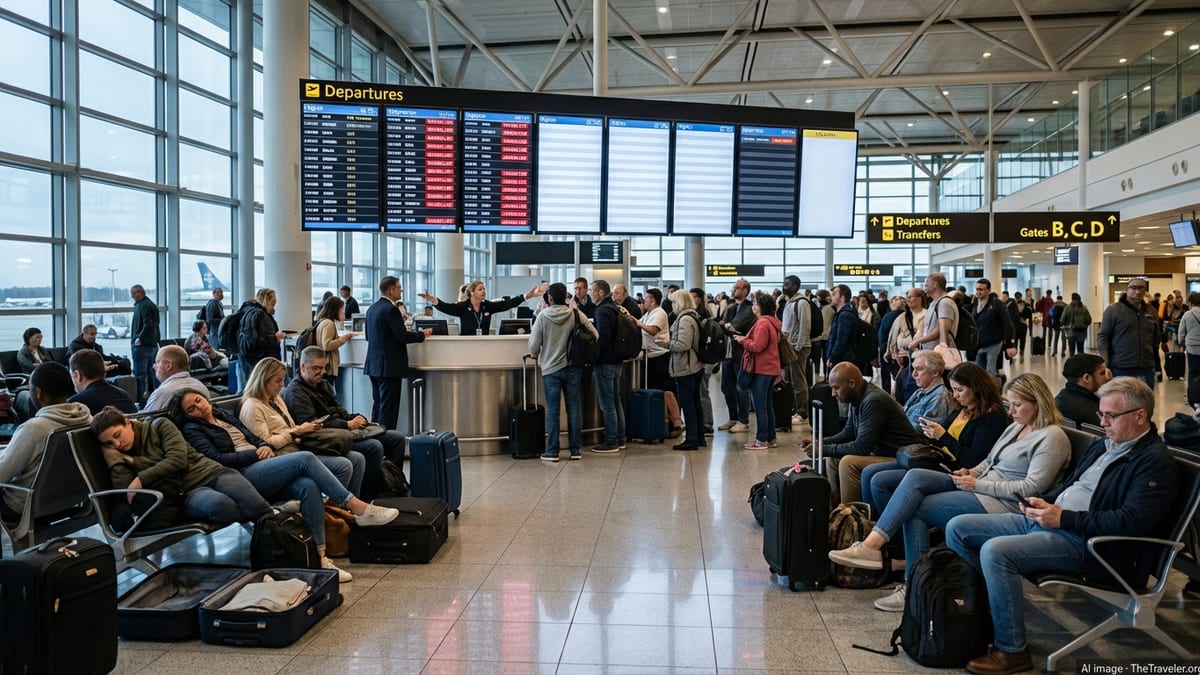
The escalation of tensions earlier this year left thousands of foreign nationals temporarily stranded as airlines rerouted or canceled flights across parts of the Middle East. According to published coverage, airspace restrictions and intermittent closures at major hubs in the Gulf and Iran forced passengers to juggle last-minute itinerary changes, often with little warning.
In response, the United States expanded the use of its crisis intake mechanisms, inviting citizens to submit online forms with their location and travel needs to help consular teams prioritize assistance. Reports indicate that call centers have handled several thousand inquiries from travelers in countries such as Qatar, Saudi Arabia, Jordan and the United Arab Emirates, particularly after the opening phase of the Iran conflict disrupted regular commercial links.
At the same time, regional carriers began operating targeted repatriation flights when local regulators deemed certain air corridors safe, offering temporary relief for passengers trying to reach Europe, North America and Asia. Priority on some of these services was given to families, elderly travelers and those with medical or humanitarian needs, according to airline communications shared with passengers.
Observers note that the combined consular and airline efforts stopped short of a full-scale airlift, with most travelers still expected to rely on commercial options wherever possible. However, the practical support offered to stranded tourists, from information hotlines to curated flight options and safe overland routes, marked a more proactive posture than in previous crises.
Real-Time Assistance And Emergency Support Tools
Public guidance from US agencies highlights a suite of tools designed to give travelers faster access to help during emergencies. Central to this is a global consular helpline that can be reached from abroad, providing a first point of contact for citizens facing issues such as lost documents, medical emergencies or disrupted travel plans anywhere in the Middle East.
Travelers are also urged to enroll in a free notification system that delivers security updates by email or text message. Once registered, individuals can receive near real-time alerts for their specific destination, including information on incidents near tourist zones, potential protests, curfews, transportation suspensions or changes in airport operations.
Guidance on official platforms further describes how crisis-response units coordinate across embassies and consulates to manage evacuation planning, should conditions deteriorate. While direct government-organized flights remain rare and usually a last resort, the system is structured to help travelers navigate commercial alternatives, understand border and visa requirements, and secure emergency financial assistance in limited circumstances.
Separate public information from lawmakers and advocacy offices in the United States reinforces this message, pointing citizens toward key contact numbers and digital resources. These notices emphasize that travelers should not wait until a situation becomes critical before reaching out, as early contact allows authorities to map demand and respond more effectively if conditions worsen.
Egypt’s Pivotal Role As Gateway And Transit Hub
Egypt occupies a central position in the evolving security picture, serving both as a major tourism destination and a strategic transit point between Africa, the Middle East and Europe. Travel advisories underline Egypt’s relative stability in many coastal and Nile Valley areas, while stressing persistent threats in specific regions such as North Sinai and sections near the Libyan border.
Tourism operators in Cairo, Luxor, Aswan and the Red Sea resorts have continued to welcome visitors, though many now incorporate enhanced security briefings into their pre-arrival communication. According to information from foreign ministries and travel-risk consultancies, common recommendations include avoiding large demonstrations, staying clear of sensitive border districts and following instructions from local security personnel at hotels, archaeological sites and airports.
Egypt has also featured prominently in discussions about safe transit options for passengers rerouted from higher-risk zones. Reports from international carriers show that Cairo has at times absorbed additional traffic when flights to parts of the Gulf or Levant faced operational constraints. This role as a fallback hub has increased the importance of clear, up-to-date information for travelers connecting through the country, especially those unfamiliar with local procedures.
For tourists currently in Egypt or planning upcoming trips, the broader Middle East alert underscores the value of flexible bookings, comprehensive insurance and close monitoring of both origin and transit-country advisories. Although most visits remain trouble-free, the interconnected nature of regional airspace and security dynamics means disruptions in one country can ripple quickly across others.
Practical Steps For Tourists Navigating The New Alert
Travel experts reviewing the latest guidance consistently highlight preparation and communication as the most effective safeguards for visitors to Egypt and neighboring countries. Before departure, travelers are advised to register their trip details with their national foreign ministry, confirm that passports and visas are valid, and keep digital copies of key documents in secure cloud storage or on encrypted devices.
On the ground, publicly available safety advice recommends maintaining situational awareness around hotels, transportation hubs and popular attractions. Simple measures such as checking local news several times a day, identifying nearby medical facilities and knowing the fastest route back to accommodation can significantly reduce risk if conditions change unexpectedly.
Consular agencies also encourage travelers to keep a written record of emergency contacts, including embassy numbers, local police, ambulance services and their airline’s regional office. In an era when mobile networks and messaging apps can be disrupted during crises, having essential details stored offline can prove critical.
Ultimately, the updated US security alert for the Middle East does not close the door on tourism to Egypt, Qatar, Saudi Arabia and other regional destinations, but it does signal a more cautious environment. For travelers willing to stay informed, follow official guidance and build in contingency plans, the new landscape may still be navigable, even as governments work in parallel to bolster real-time assistance and support pathways home.