


More news on this day
A powerful heatwave pushing temperatures toward 50°C across Tunisia, Algeria and Morocco is beginning to reshape how travelers plan summer trips to North Africa, with tour operators, airlines and meteorological agencies all signaling that extreme conditions could disrupt classic Sahara adventures and outdoor holidays in the weeks ahead.
Get the latest news straight to your inbox!
Orange Alerts as North Africa Braces for Dangerous Heat
Publicly available data from regional meteorological services indicate that Tunisia has placed multiple inland and southern governorates on orange alert for intense heat, with daytime temperatures forecast to remain well above seasonal norms. Recent bulletins from the National Institute of Meteorology highlight extended periods of scorching conditions in central and southern regions, where values close to 50°C have been recorded during previous summers and are again considered possible this season.
Across the border, Algeria’s civil protection authorities have issued heatwave prevention notices for northern wilayas, warning of temperatures rising into the mid to high 40s Celsius and advising residents to limit exposure during the hottest hours of the day. Local media coverage in Algeria describes calls for vigilance, hydration and special attention to vulnerable groups such as older adults and young children as the heatwave settles over urban centers and rural communities alike.
Morocco is also facing above-average temperatures across interior plains and pre-Saharan areas, even as some coastal locations remain more temperate. Climatological assessments from international organizations show that North Africa has seen a steady rise in the frequency and intensity of heatwaves over the past decade, with Tunisia, Algeria and Morocco repeatedly registering record or near-record highs approaching 50°C in recent summers.
Combined, these trends are fueling concern that the current heatwave could again push infrastructure, public services and tourism operations to their limits at a time when summer visitor numbers are typically nearing their peak.
Impact on Summer Holidays, Sahara Tours and City Breaks
The escalating heat is already influencing how visitors approach classic North African itineraries built around desert excursions, hiking in mountain ranges and intensive urban sightseeing. Travel advisories from several European governments reference the region’s vulnerability to summer heatwaves and encourage travelers to follow local weather alerts, adjust daily plans and be prepared for rapid changes in outdoor conditions.
In Tunisia, popular resort towns and cultural hubs continue to receive international tourists, but local travel industry reports indicate that some desert and interior excursions are being rescheduled for early morning or after sunset. Tour operators offering Sahara 4x4 safaris, camel treks and dune camping are adjusting programs to shorter outings, highlighting the need for adequate water supplies, sun protection and realistic expectations about physical exertion in extreme heat.
Algeria’s emerging tourism sector, which promotes journeys across the Sahara and visits to historic oases, is facing similar constraints. Public guidance from Algerian civil protection services stresses that any travel through exposed areas during peak heat requires careful preparation, including monitoring official bulletins and respecting restrictions put in place to prevent wildfires and heat-related incidents.
In Morocco, media coverage points to an increasing emphasis on heat-aware travel planning, especially for itineraries that connect coastal cities with hotter inland destinations such as Marrakech or desert gateways on the fringes of the Sahara. Accommodation providers are foregrounding air conditioning, shaded courtyards and pool access as key amenities as temperatures stay high deep into the evening.
Tunisair, Nouvelair and the Aviation Dimension of Extreme Heat
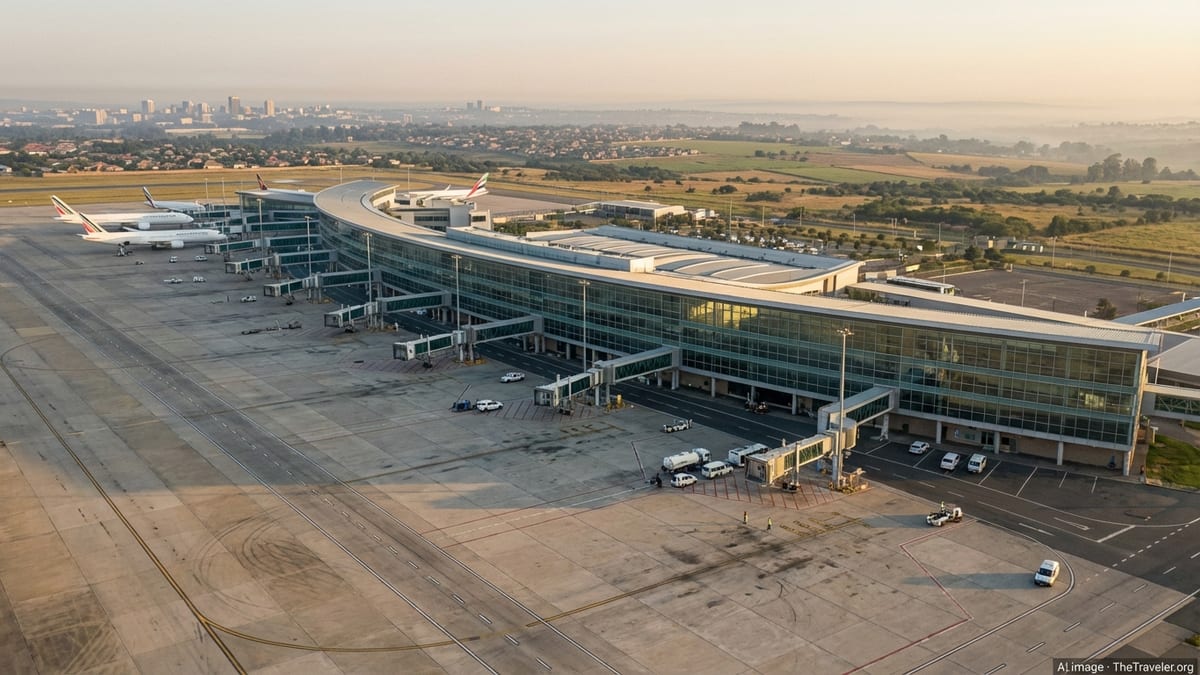
The heatwave is also intersecting with aviation as Tunisian carriers Tunisair and Nouvelair work through the busiest travel period of the year. Commercial aviation guidance notes that very high temperatures can affect aircraft performance, runway conditions and ground operations, even if scheduled flights continue to operate largely as planned.
Airport authorities in Tunis and coastal hubs monitor temperature and wind data throughout the day, with public information emphasizing that heat can lengthen turnaround times as ground crews work more slowly for safety. Industry observers explain that extreme daytime temperatures may lead airlines to adjust load factors or flight timings in isolated cases, particularly at smaller regional airports or during short-haul operations where performance margins are tighter.
Passenger communications from Tunisair and Nouvelair in recent seasons have highlighted the possibility of weather-related delays, and current conditions suggest that travelers should build additional flexibility into itineraries. Travel insurance providers and consumer groups commonly recommend longer connection windows, particularly for itineraries that involve transiting through European hubs after departing North Africa during afternoon peak heat.
While there are no broad indications of widespread cancellations specific to this week’s heatwave, aviation analysts note that prolonged periods of extreme temperatures can compound other summer pressures, including air traffic congestion and occasional technical disruptions, especially when demand is at its highest.
Health, Safety and Changing Climate Baselines
Health agencies and civil protection bodies across the region are amplifying long-established guidance for coping with extreme heat, reminding both residents and visitors to remain indoors during midday peaks, drink water regularly and avoid intensive exercise under direct sun. Published advisories for Tunisia, Algeria and Morocco repeatedly underline that heat-related illnesses can develop quickly when temperatures approach or exceed the mid 40s Celsius, particularly in crowded urban environments.
International climate assessments released over the past two years describe North Africa as a hotspot for accelerating warming, with heatwaves becoming longer, more frequent and more intense. Reports from global meteorological organizations identify Tunisia, Algeria and Morocco among the Mediterranean countries where recent summers have broken records for maximum temperatures and the number of extremely hot days.
Forestry and civil protection services in the Maghreb have also warned that hot, dry winds increase the risk of wildfires, especially in wooded and mountainous regions. Media coverage from previous summers documented blazes in parts of Algeria and Tunisia during similar heat events, reinforcing calls for travelers to respect fire bans, campsite regulations and any temporary closures of natural parks.
These evolving climate baselines are prompting some tour operators and local authorities to rethink the traditional high season model, with discussions about shifting certain outdoor festivals, hiking programs and desert expeditions to cooler months when conditions are more predictable and less hazardous.
What Travelers Should Expect in the Coming Weeks
Publicly available forecasts suggest that temperatures across inland Tunisia, eastern Algeria and parts of interior Morocco will remain elevated in the near term, even if occasional sea breezes and localized storms bring temporary relief to some coastal zones. Regional weather services continue to update alert maps multiple times per day, signaling that the situation remains dynamic and that local guidance can change at short notice.
For visitors holding tickets with Tunisair, Nouvelair or other regional carriers, consumer advocates recommend monitoring airline apps and airport departure boards closely during heatwave periods. Even when flights depart on time, long security queues, slower baggage handling and greater demand for taxis or public transport can stretch overall journey times in hot conditions.
On the ground, travelers are likely to find that many daily routines in Tunisia, Algeria and Morocco adapt naturally to the heat, with busier streets in the early morning and late evening, and quieter hours around midday. Tourism businesses are accustomed to high summer temperatures and increasingly frame their offerings around shaded terraces, late meals and night-time cultural events that take advantage of cooler air.
As this latest North African heatwave unfolds, the message emerging from publicly available advisories and industry commentary is that summer travel remains possible but requires more deliberate planning. Those heading for Sahara dunes, historic medinas or Mediterranean beaches are being encouraged to treat extreme heat as a central factor in their itineraries, on par with flight schedules and accommodation choices.