


More news on this day
Delta Air Lines passengers traveling from Chicago to Atlanta on flight DL2417 on 18 July faced unexpected disruption when the Boeing 717 service diverted to Nashville International Airport, triggering missed connections, rebookings and questions about what travelers can expect when a key Midwest–Southeast link is interrupted.
Get the latest news straight to your inbox!
What Is Known About the DL2417 Diversion
Publicly available flight-tracking and schedule data show that Delta flight DL2417 normally operates as a Boeing 717 service linking Chicago Midway and Atlanta, a high-demand corridor in the carrier’s domestic network. On 18 July, the flight departed Chicago but did not continue directly to its scheduled destination, instead diverting to Nashville International Airport, a major regional hub in Tennessee.
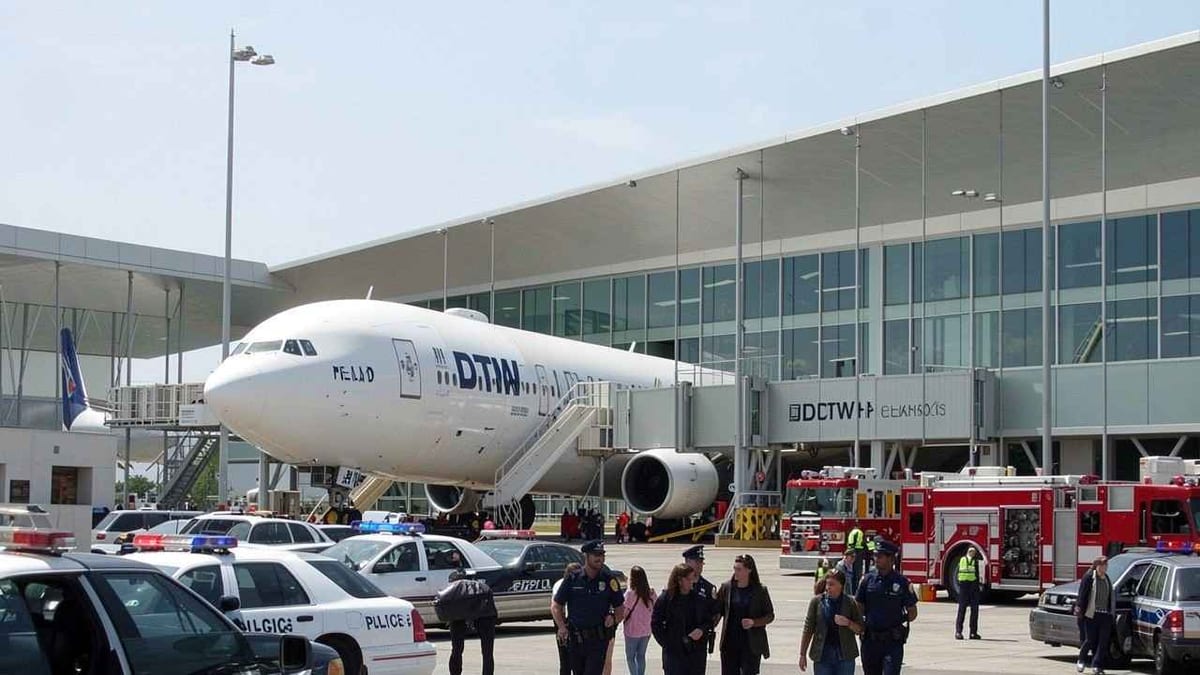
Reports indicate that the aircraft landed safely in Nashville and taxied to the gate, where passengers were held while onward arrangements were assessed. No injuries were reported, and there is no indication of a serious onboard emergency. The focus for most travelers quickly shifted from the diversion itself to the knock-on impact on connections and arrival times into Atlanta.
Operational details released through flight-status platforms suggest that the diversion occurred during a busy evening period for southeast-bound travel, contributing to congestion in the Atlanta system and amplifying the disruption for passengers with tight onward itineraries.
While the exact trigger for the diversion had not been formally detailed at the time of writing, weather, air-traffic management constraints and technical checks are among the most common factors that can require a mid-journey rerouting to an alternate airport.
Impact on Passengers and Connections
The immediate effect of the DL2417 diversion was a substantial delay in passengers reaching Atlanta and, for many, a missed connection to later flights across the Delta network. With Atlanta functioning as one of the airline’s largest hubs, even a single diverted Boeing 717 can displace hundreds of travelers and put pressure on evening departure banks.
Travelers on this service faced the typical cascade of disruption: extended time onboard or at the gate during assessment in Nashville, followed by either rebooking onto subsequent flights to Atlanta or an overnight stay if no same-day options were available. Those traveling onward to international destinations or smaller regional airports faced particular challenges where the late-evening frequency is more limited.
Families and business travelers reported scrambling to adjust hotel reservations, ground transport and meeting schedules, illustrating how a mid-route diversion can ripple through travel plans far beyond the original origin and destination. Travel insurance policies and corporate booking tools may help offset some secondary costs, but reimbursement usually depends on the type of ticket and the terms of each policy.
For some passengers, the diversion also meant shifting to alternative routings, including Nashville to Atlanta connections on later flights or, in a few cases, overland options where the remaining distance could be covered more rapidly by car than by waiting for a new seat on a full flight.
How Airlines Typically Handle Diversions
When a flight diverts to an unscheduled airport, airlines generally prioritize safety, then aircraft positioning, and finally customer re-accommodation. Publicly available guidance indicates that once on the ground the operating crew and airline operations center assess whether the aircraft can continue to its original destination, whether a new aircraft is required or whether passengers must disembark and be rerouted on other services.
For DL2417, the diversion to Nashville placed the aircraft at a field with established Delta operations, which can simplify refueling, maintenance checks and crew logistics. This, in turn, can help reduce the length of the disruption compared with diversions to smaller airports where the airline has limited presence.
Standard practice following such incidents includes automatic rebooking where space is available, as well as options for passengers to change to alternative flights through airline apps, websites or airport kiosks. Travelers are encouraged to monitor digital channels closely, as rebooking can begin before passengers even exit the aircraft, especially when connection windows are clearly no longer viable.
In many cases, airlines may also provide hotel and meal support when disruptions extend overnight, though the specifics depend on carrier policies, the cause of the diversion and whether the event is categorized as within the airline’s control or driven by external factors such as weather or air-traffic restrictions.
What Affected Travelers Should Do Next
Passengers impacted by the 18 July DL2417 diversion are advised to review their updated itineraries, which should reflect any involuntary changes made as the flight was rerouted via Nashville. Those who missed connections or arrived significantly later than scheduled may be eligible for refunds of unused segments or other forms of compensation in line with the airline’s published disruption policies.
It is important for travelers to retain boarding passes, electronic confirmations and receipts for reasonable out-of-pocket expenses such as meals, ground transport and lodging linked directly to the disruption. These documents can be helpful when submitting requests for reimbursement or when working with travel insurers after the trip.
Travel experts generally recommend that customers use multiple channels simultaneously during major disruptions: monitoring the airline app, queuing at customer-service desks in Nashville or Atlanta and, where possible, contacting call centers for additional options. Flexibility with routings and travel times can expand the range of solutions, particularly during peak summer periods when many flights are already close to full.
For some travelers, it may be appropriate to request that longer, multi-city itineraries be restructured entirely, especially when the original purpose of the trip has been overtaken by delays. In these cases, documentation showing the diversion and subsequent delays will be central to any negotiation over refunds or credits.
Broader Context for Mid‑Summer Flight Disruptions
The DL2417 diversion comes during the height of the United States summer travel season, when thunderstorms, heavy traffic around major hubs and tight aircraft utilization can combine to create sudden schedule shifts. Boeing 717 routes into and out of Atlanta are particularly sensitive to regional weather systems because they feed a network of onward connections that rely on precise timing.
Even a single diverted flight can contribute to a broader pattern of strain on airport resources, from ramp operations to air-traffic flow management. When diversions converge on a regional airport such as Nashville, ground-handling teams, gate space and available departure slots can quickly become saturated, leading to further delays for both diverted and scheduled services.
For travelers, the incident underscores the value of building extra buffer time into tight same-day itineraries that pass through major hubs like Atlanta, especially in July and August. Longer layovers can reduce the risk of missed onward flights when weather or airspace constraints trigger unexpected diversions similar to that experienced by passengers on DL2417.
With demand for air travel remaining strong across much of the domestic network, the DL2417 case also highlights the importance of proactive communication, robust digital tools and clear disruption policies in helping passengers navigate the practical realities of modern air travel when plans change mid-flight.