


More news on this day
The U.S. State Department has issued an updated travel warning for Spain, urging American citizens to exercise increased caution in the popular Western European destination as security officials track evolving risks in major urban centers and crowded tourist hubs.
Get the latest news straight to your inbox!
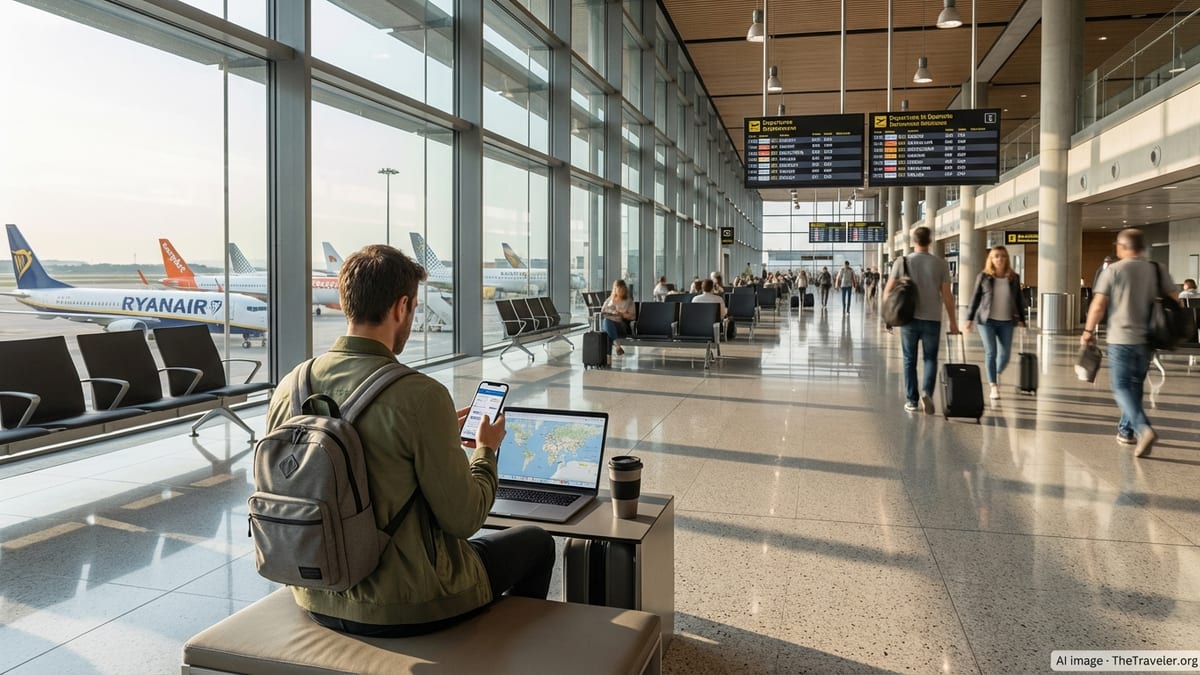
Advisory Raised as Risk Environment Shifts
The latest Spain travel advisory places the country at Level 2, meaning travelers are being asked to exercise increased caution rather than cancel trips altogether. Publicly available information indicates the update reflects an accumulation of security concerns, including the ongoing threat of terrorism and episodes of civil unrest in some metropolitan areas.
Spain remains one of Europe’s most visited countries, drawing tens of millions of international visitors annually to cities such as Barcelona, Madrid and Seville, as well as the Balearic and Canary Islands. The advisory does not change the overall classification of Spain as a major tourism hub, but it underscores that crowded spaces, large events and transportation hubs are viewed as higher-risk environments where incidents could occur with little or no warning.
According to published coverage and official travel-advisory summaries, the U.S. guidance aligns with broader European and international assessments that Western European capitals and resort areas continue to face a persistent, if sporadic, security threat. The language used for Spain mirrors cautionary wording applied to several other countries in the region that have experienced previous terrorist plots and politically charged demonstrations.
While the advisory focuses on security, the underlying framework also reminds travelers to consider routine risks such as petty crime, especially theft targeting tourists in busy districts, public transport and nightlife areas. Travelers are encouraged to adjust their behavior rather than avoid the country, remaining alert to their surroundings and safeguarding valuables.
Terrorism and Civil Unrest Highlighted
The updated notice singles out terrorism and civil unrest as key factors shaping the risk profile for U.S. visitors. Recent assessments referenced in news reports indicate that extremist groups have repeatedly identified high-profile European destinations, including Spain, as symbolic targets where even small-scale attacks can generate significant international attention.
Analysts note that contemporary terrorism risk in Western Europe often centers on soft targets, such as entertainment venues, shopping districts, religious sites and public squares. In Spain, authorities have long maintained visible security measures around iconic landmarks and transportation nodes, reflecting lessons learned from past incidents. The U.S. advisory points to this broader context, advising American travelers that enhanced police or military presence in tourist centers may be part of routine prevention rather than evidence of an active incident.
Civil unrest is also highlighted amid recurring demonstrations over economic policy, labor issues and regional political disputes. While most gatherings remain peaceful, public information from European media and local authorities documents instances in which protests have led to clashes, property damage or temporary disruptions to public transport. The advisory urges travelers to avoid large demonstrations, monitor local news and be prepared for sudden changes to movement around city centers and government buildings.
Security analysts quoted across international outlets suggest that, although the overall probability of a traveler being directly affected by a major incident remains low, the concentration of visitors in a few high-traffic districts can intensify the impact when disruptions occur. As a result, updated guidance stresses situational awareness over alarm, encouraging visitors to stay flexible with itineraries and heed public safety announcements.
What the Advisory Means for American Travelers
Level 2 advisories are framed as precautionary rather than prohibitive. In practical terms, the updated language means Americans can continue to travel to Spain, but are encouraged to take additional steps to stay informed and prepared. Travel industry observers note that similar advisories for other Western European countries have not historically led to large-scale cancellations, but often prompt travelers to reassess insurance coverage, lodging choices and daily routines on the ground.
Publicly available guidance recommends that visitors pay particular attention to security briefings from their airlines and accommodation providers, which often relay information about demonstrations, strikes or transport disruptions that might affect airport transfers or rail connections. Travelers are also advised to keep photocopies or digital backups of passports and key documents separated from original identification, a common best practice in destinations where pickpocketing is reported.
According to travel risk consultants cited in recent coverage, Americans should expect occasional disruptions linked to labor actions in Spain, including transport strikes, which can compound security-related delays. The advisory encourages travelers to budget additional time when moving through major hubs, especially during peak summer and holiday seasons. Flexible ticketing options and clear contingency plans, such as alternative routes between cities, can help mitigate the impact of sudden schedule changes.
For those planning trips in the coming months, experts suggest reviewing existing bookings in light of the advisory rather than cancelling outright. Many airlines and tour operators have flexible policies that allow date changes, and hotels in major Spanish destinations often support late adjustments. Travelers are urged to carefully review refund terms and travel insurance clauses related to security warnings, as coverage can vary significantly.
Impact on Tourism and Local Response
Spain’s tourism sector is a vital part of the national economy, and any update to a U.S. travel advisory is closely watched by local businesses and regional authorities. Industry groups monitoring visitor flows note that previous periods of heightened caution in Western Europe have often been followed by rapid rebounds, as travelers adapt to security realities and destinations refine their safety protocols.
Local media reports indicate that Spanish regional governments and city councils continue to invest in surveillance, emergency-response training and public-awareness campaigns in heavily visited areas. These efforts typically include visible patrols in popular districts, improved lighting and signage, and multilingual information about emergency contacts and procedures. The presence of these measures is intended to reassure both residents and international visitors while providing a framework for swift action if an incident occurs.
Travel market analysts suggest that American tourists may shift itineraries within Spain rather than abandon plans altogether. Some visitors may favor coastal resorts and smaller cities over the busiest urban centers during peak periods, while others may opt for guided tours that offer structured support and local expertise. Such adjustments can spread tourism revenue more evenly across regions while still sustaining overall visitor numbers.
Despite the added note of caution, Spain remains a cornerstone of Western European travel, with established infrastructure, extensive accommodation options and a long history of welcoming international guests. The advisory’s language, focused on heightened awareness rather than avoidance, signals that with prudent planning and attention to local conditions, U.S. travelers can continue to experience the country’s cultural, historical and coastal attractions.
Staying Informed Before and During a Trip
Travel experts emphasize that the most effective response to a Level 2 advisory is preparation. Americans planning a trip to Spain are advised to review the full text of the travel advisory and any associated alerts prior to departure, as well as to consult reputable news outlets for updates on local conditions in the cities they plan to visit.
Many risk-management specialists recommend that travelers share detailed itineraries, including lodging addresses and contact information, with a trusted person at home. Maintaining regular communication during the trip, especially when plans change, can help family or friends respond quickly in the event of an emergency. Travelers are also encouraged to keep mobile phones charged and equipped with local emergency numbers saved for quick access.
Once in Spain, visitors can reduce exposure to routine risks by avoiding displays of expensive jewelry or electronics in crowded areas, using hotel safes for passports and surplus cash, and choosing licensed taxis or reputable ride services. Publicly available safety tips also suggest being cautious with alcohol consumption in nightlife districts, as impaired judgment can increase vulnerability to theft or other problems.
The updated U.S. advisory underlines that risk levels are not static and may be reviewed as circumstances evolve. Travelers are therefore encouraged to stay attentive to any changes in official guidance and to remain flexible, adjusting plans if they encounter significant unrest, transport disruptions or localized incidents in areas they intend to visit.