


More news on this day
A collision between a vehicle and a train near the intersection of Pecan Tree Road and U.S. Highway 78 in the St. George area has drawn emergency response and temporarily disrupted traffic, according to early local reports and publicly available information.
Get the latest news straight to your inbox!
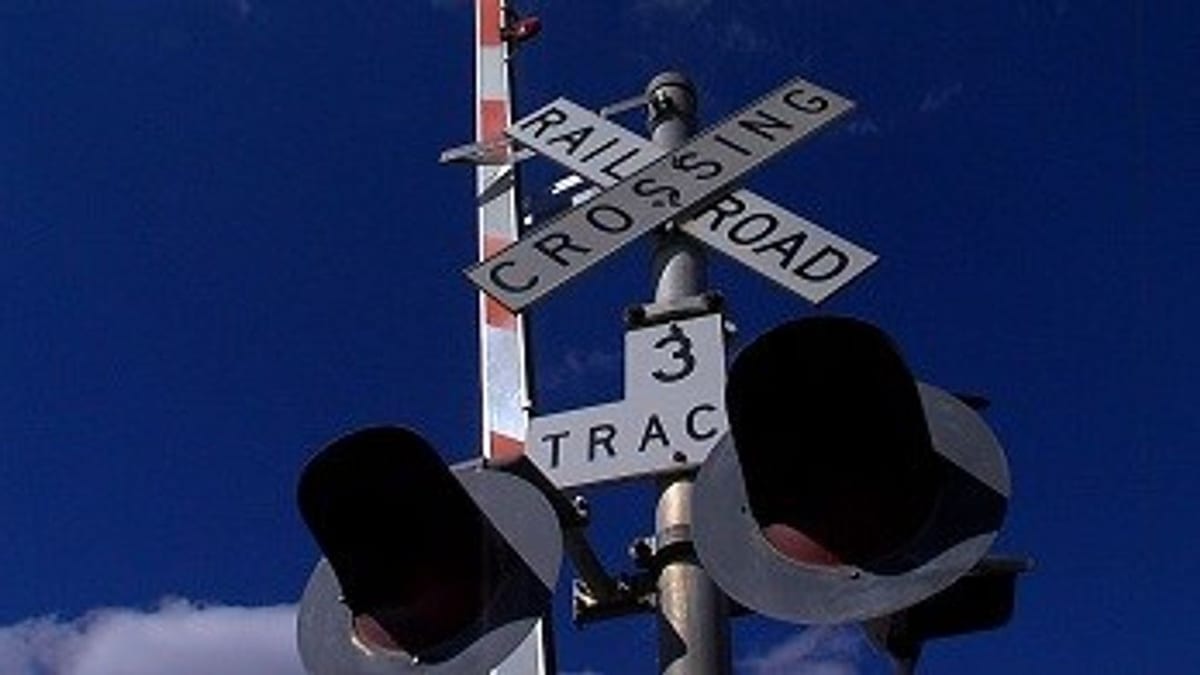
Crash Reported Near Rural Highway-Rail Crossing
Initial coverage indicates the crash occurred close to a rail crossing near Pecan Tree Road and U.S. 78, in a largely rural stretch where road traffic meets a freight rail line. The incident was reported during active train operations, resulting in an abrupt halt to rail movement while responders assessed the scene.
Published reports describe the collision as involving a passenger vehicle and a moving train, although full details on the number of occupants, potential injuries, and vehicle type had not been comprehensively released at the time of writing. Publicly available information suggests that the train remained on the tracks, while the vehicle sustained significant damage consistent with a high-force impact.
The area around Pecan Tree Road and U.S. 78 typically carries a mix of local and through traffic, with drivers navigating between small communities, agricultural land, and regional centers. The presence of an active rail corridor alongside a highway corridor can create complex traffic patterns, particularly at crossings that may not have full grade separation.
According to the early information, the crash led to a temporary shutdown of both the rail line and at least one direction of U.S. 78 while emergency crews, tow operators, and rail personnel worked to clear debris and inspect the tracks for damage.
Emergency Response and Traffic Impact
Local emergency services, including fire and medical units, were dispatched to the scene following calls about the collision. Publicly available updates indicate that responders conducted standard post-crash procedures such as securing the scene, checking for fuel leaks, and evaluating the structural integrity of both the vehicle and nearby rail equipment.
Motorists traveling along U.S. 78 encountered delays as traffic was diverted or slowed near the crossing. In rural highway settings, where alternate routes may be limited, even a single blocked crossing can quickly create congestion for commuters, commercial drivers, and residents moving between nearby towns.
Rail traffic in the corridor was also affected. Trains already on the line were required to reduce speed or hold at sidings while the affected train remained stationary for inspection. Freight operators generally conduct detailed checks after any vehicle impact, reviewing the locomotive, railcars, and track components before allowing traffic to resume at normal speeds.
Travelers heading through the St. George region were advised, through local traffic reports and informal community updates, to anticipate delays and use caution around the crossing while cleanup operations continued.
Context: Rail Crossings and Safety Concerns
The collision near Pecan Tree Road and U.S. 78 adds to broader concerns about safety at highway-rail grade crossings, particularly in areas where fast-moving trains intersect with two-lane rural roads. National transportation data consistently show that such crossings remain a recurring site of serious crashes, especially where visibility, speed, or driver distraction are factors.
In many parts of the United States, crossings along routes like U.S. 78 may be controlled with warning signs, flashing signals, and crossing gates. However, even fully equipped crossings can be vulnerable when drivers attempt to beat a train, misjudge an approaching locomotive’s speed, or become immobilized on the tracks due to mechanical issues or traffic backups.
Safety campaigns from federal and state agencies often emphasize the importance of treating tracks as an active hazard at all times, assuming a train may be approaching even when no horn is heard immediately. Advocates also highlight that trains need substantial distance to come to a stop, which makes it difficult to prevent a collision once a vehicle is on the tracks in the train’s path.
The St. George-area crash has renewed attention among local residents and travelers to the need for caution near any crossing, particularly in transitional light conditions at dawn or dusk, or during poor weather when visibility is reduced.
Ongoing Review and Rail Operations
Following a vehicle-train collision, rail operators typically conduct internal reviews of train speed, horn usage, signal functionality, and onboard recording data. According to publicly available information about similar cases, these reviews are used to confirm that rail procedures were followed and to identify any operational lessons that might enhance safety.
Transportation agencies and local jurisdictions may also examine road design near the crossing, including approach angles, signage placement, sight lines, and pavement markings. In some corridors, repeated incidents have prompted upgrades such as improved lighting, additional signage, or altered traffic patterns aimed at reducing driver confusion.
At the time of writing, information available to the public did not indicate long-term rail closures in the St. George area. Once inspections are complete and the track is cleared, trains typically return to normal schedules, though operators may briefly maintain reduced speeds while infrastructure is monitored after a crash.
Drivers using U.S. 78 and nearby local roads are expected to see normal conditions once cleanup and inspection work concludes, but the incident is likely to remain a reference point in local conversations about road and rail safety along this segment of the highway.
Travel Advice for Drivers Passing Through the Area
For travelers planning to drive through the St. George region along U.S. 78, the incident near Pecan Tree Road serves as a reminder to approach rail crossings with heightened attention. Motorists are encouraged, based on longstanding safety guidance, to slow down in advance of tracks, obey all signals, and avoid stopping on the rails, even briefly, while waiting for a gap in traffic.
Travel planning in rural corridors can benefit from allowing extra time for unexpected disruptions such as rail incidents, roadside emergencies, or weather-related slowdowns. Motorists unfamiliar with the route may wish to check regional traffic and rail advisory channels before departure to understand whether any lingering delays remain in effect.
Commercial drivers, in particular, may be affected by crossing closures or slowdowns, as detours along smaller local roads can add distance and complexity to scheduled runs. Safety-focused driving practices near rail intersections can help reduce the risk of further incidents, protecting both vehicle occupants and train crews.
As road and rail networks continue to share space along key corridors like U.S. 78, the collision near Pecan Tree Road stands as a current example of the importance of vigilance, clear infrastructure design, and adherence to long-established crossing rules for anyone traveling through the St. George area.