


More news on this day
The United States has renewed its "reconsider travel" advisory for Colombia, highlighting security concerns now compounded by severe flooding and landslides that have disrupted transport links, displaced communities, and strained emergency services in parts of the South American country.
Get the latest news straight to your inbox!
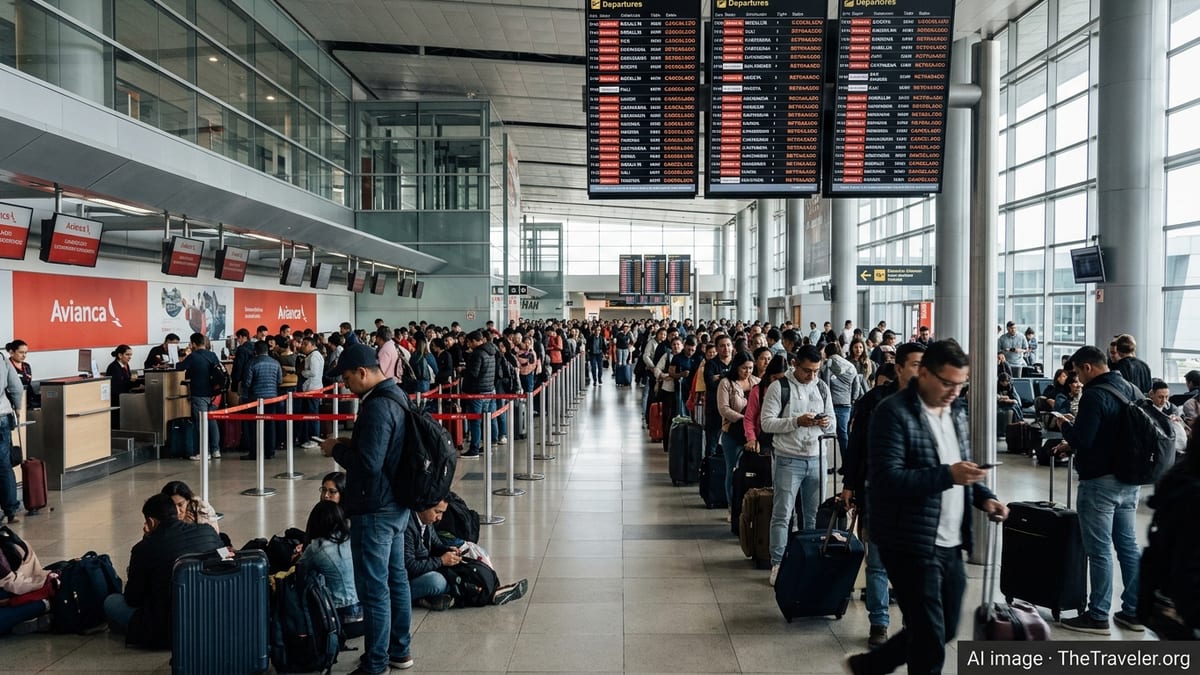
Advisory raised as natural disaster intensifies existing risks
According to publicly available information from the US State Department, Colombia remains under a Level 3 "reconsider travel" advisory, a category used when serious safety and security risks are present. The latest update, issued at the end of March 2026, lists unrest, crime, kidnapping, terrorism, and natural disaster among key concerns affecting travel conditions in the country.
In recent weeks, seasonal heavy rains have triggered widespread flooding and landslides in several Colombian departments, damaging roads and bridges, cutting power in some urban districts, and hampering access to rural communities. Local media reports indicate that river levels have risen rapidly in parts of the Andean and Caribbean regions, prompting evacuations and emergency declarations by regional authorities.
Publicly available coverage of the situation notes that the impact of the natural disaster varies significantly by region. While major hubs such as Bogotá and Medellín have continued to operate, peripheral neighborhoods and road corridors have experienced intermittent closures as crews work to clear debris and stabilize slopes. In some cases, diversions have added many hours to overland journeys that are popular with international visitors.
The combination of infrastructure damage, pressure on local emergency services, and pre existing security concerns has contributed to the advisory remaining at the “reconsider travel” level for Colombia rather than being eased for the current rainy season.
What a Level 3 advisory means for US travelers
US government guidance explains that a Level 3 advisory signals that travelers should seriously weigh the risks of visiting a country and consider postponing or adjusting their plans. This level sits just below "do not travel" in the four tier advisory scale and is typically reserved for destinations where crime, conflict, health risks, or natural disasters significantly affect the safety of visitors.
Background material on the system, described in outlets such as National Geographic and official government explainer pages, notes that Level 3 advisories often reflect complex or fast changing conditions. These can include limited capacity of local authorities to respond to emergencies, constrained health care systems, or transportation networks vulnerable to disruption. The recent flooding and landslides in Colombia appear to reinforce those vulnerabilities, especially along secondary and rural routes.
Travel specialists who track advisories point out that a Level 3 designation does not automatically halt travel but can influence insurance coverage, tour operations, and the risk assessments used by universities and corporations for organized trips. Some institutional policies, made public by US universities and corporations, restrict sponsored travel to destinations under Level 3 advisories unless specific waivers or additional safety measures are in place.
For independent tourists, the advisory means that extra planning may be required. Publicly available guidance encourages travelers who nevertheless choose to visit to stay informed about regional conditions, maintain flexible itineraries, and be prepared for sudden disruptions related to weather, security operations, or infrastructure failures.
Tourism hotspots weigh safety against economic needs
Colombia has spent the last decade building a reputation as a dynamic tourism destination, drawing visitors to colonial cities, coffee region landscapes, and Caribbean beaches. Industry data published before the latest advisory updates indicated steady growth in international arrivals, with the United States among the largest source markets.
Recent flooding and landslides have brought new challenges for destinations that depend heavily on visitor spending. Local press reports describe hotels assisting stranded guests as highways temporarily close, while tour operators adjust routes to avoid unstable slopes and flooded river crossings. In some areas, boat transfers have been used as alternatives to road segments affected by washouts.
Tourism sector representatives quoted in regional outlets emphasize their efforts to maintain operations where conditions allow while monitoring advisories and weather alerts. Public messaging from destination marketing organizations has focused on clarifying which routes and regions remain accessible, signaling that many popular urban and coastal areas continue to welcome visitors even as emergency work continues elsewhere.
At the same time, analysts note that the presence of a US Level 3 advisory can have a chilling effect on demand, particularly for first time visitors or travelers with limited flexibility. The perception of heightened risk, combined with vivid imagery of flood damage circulating in international media, may prompt some travelers to defer Colombia trips in favor of destinations with lower advisory levels.
Practical guidance for travelers considering Colombia now
Travel risk consultancies and public advisories recommend that anyone planning a trip to Colombia in the coming weeks pay close attention to both security guidance and weather related updates. This includes reviewing the State Department advisory in detail, checking local news in Spanish or English for information on specific regions, and consulting airlines or bus companies for the latest on route conditions.
Travel planners commonly suggest that travelers build contingency time into itineraries that involve inter city bus journeys or visits to mountainous or riverine regions, where landslides and flooding are most likely to disrupt transport. Booking flexible tickets and accommodations with clear cancellation policies can also help mitigate financial risk if plans must change at short notice.
Publicly available guidance further stresses the importance of documenting travel plans with friends or family, maintaining reliable communication tools, and ensuring that emergency contact information is readily accessible. Travelers are often encouraged to maintain heightened situational awareness in urban areas, avoid demonstrations, and follow any local instructions related to evacuation orders, curfews, or road closures that may arise from either security operations or natural hazards.
For some travelers, the combination of security risks and the current natural disaster impacts may suggest postponing nonessential trips to Colombia until conditions stabilize and infrastructure repairs progress further. Others may choose to continue with plans while narrowing their itineraries to better connected cities and regions less affected by the recent floods and landslides.
Broader pattern of climate and risk in South American travel
The Colombia advisory fits into a wider pattern of climate influenced disruption across parts of South America. In recent years, countries across the Andean and Amazon basins have reported increasingly unpredictable rainy seasons, with heavier downpours contributing to more frequent flooding and landslides that affect both local residents and visitors.
Travel analysts note that such events can rapidly change on the ground conditions in otherwise popular destinations, complicating efforts by governments and tourism boards to project stability. Infrastructure built for past climate norms, including mountain highways and riverside communities, can be especially vulnerable when intense rainfall exceeds historical averages.
Observers who follow risk and travel trends suggest that prospective visitors to South America may need to account more explicitly for seasonal and climate related hazards when planning itineraries. This may involve closer attention to rainy and dry season patterns, greater use of travel insurance products that cover natural disaster disruptions, and more flexible routing that allows for last minute changes when severe weather affects a particular corridor or region.
Within this broader context, the renewed US "reconsider travel" advisory for Colombia underlines how natural disasters can interact with existing security and infrastructure challenges, creating a complex risk environment that travelers, tour operators, and local communities must navigate as the peak travel months approach.