


More news on this day
The United States has issued a fresh security alert for American citizens in Albania, urging travelers to exercise increased caution in public areas and popular tourist spots amid concerns about potential threats linked to extremist groups.
Get the latest news straight to your inbox!
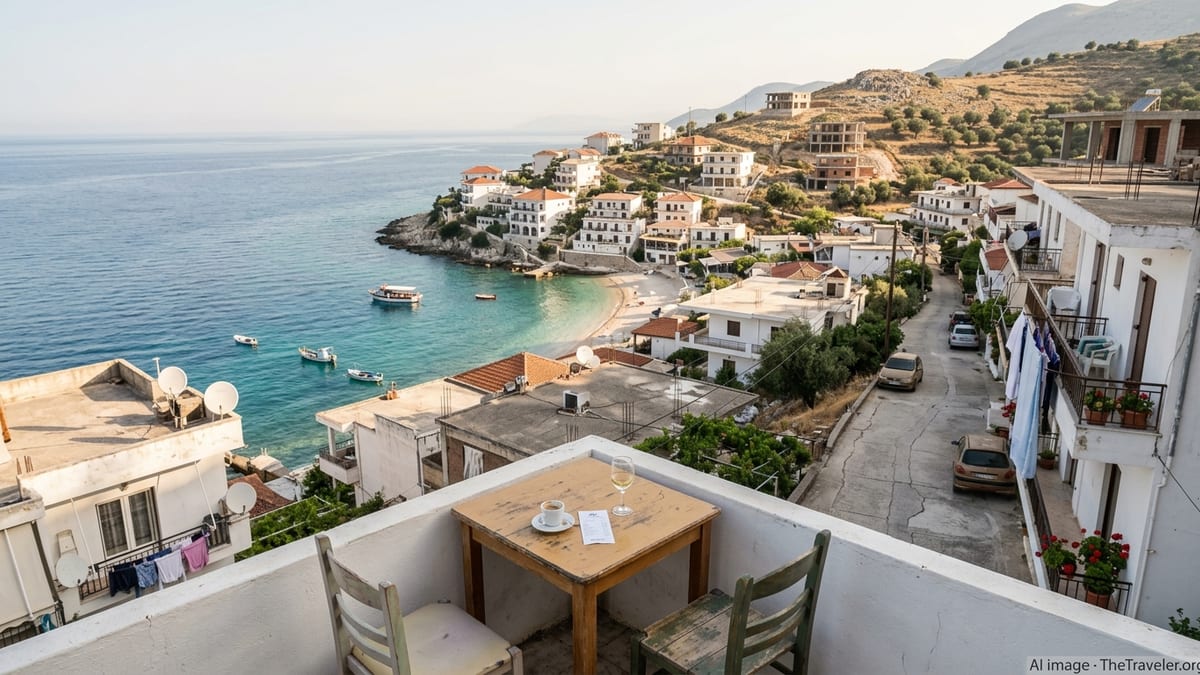
New Alert Targets Public Spaces and Tourist Areas
According to publicly available information from the US Embassy in Tirana and recent media coverage, the latest alert highlights an elevated security posture in Albania, particularly in locations that attract foreign visitors. The message advises American travelers to remain vigilant in public spaces such as plazas, shopping districts, hotels, restaurants and major tourist attractions.
The notice points to the possibility that groups with geopolitical or ideological motivations could seek to target sites associated with Western interests or large gatherings of visitors. While the alert does not describe a specific imminent plot, it underscores that high-traffic public areas in the capital and coastal destinations could be vulnerable to opportunistic attacks.
For travelers already in the country, the communication recommends maintaining a low profile where possible, avoiding unnecessary time in crowded spaces and paying close attention to personal belongings and surroundings. Visitors planning upcoming trips are being encouraged to monitor news updates and official security messages before and during their stay.
Local reporting indicates that Albanian officials have emphasized there is no confirmed intelligence of an imminent threat, but have acknowledged heightened coordination with international partners and law enforcement agencies. The alert therefore functions as a precautionary step within a broader pattern of security awareness across Europe.
Albania Remains a Level 2 “Exercise Increased Caution” Destination
Despite the new embassy message, Albania’s overall classification on the US State Department’s travel advisory system currently remains at Level 2, which urges travelers to exercise increased caution. That level is commonly applied to destinations where crime, limited emergency resources or regional security dynamics warrant additional awareness, but not a recommendation to avoid travel entirely.
Background materials from US government travel resources describe Albania as a relatively low-cost and increasingly popular European destination where most visits are trouble free. However, they also note concerns about theft and other nonviolent crime, particularly in urban areas and along busy tourist corridors during the peak summer season.
Publicly available guidance for Level 2 locations generally advises visitors to stay alert to their surroundings, avoid displaying signs of wealth, secure valuables and use reputable transportation options. In Albania’s case, recent coverage has also pointed out that law enforcement and emergency response capabilities may be more limited in rural or remote regions than in the capital Tirana.
The current advisory status means flights, hotels and tours are operating as normal, and there has been no broad call for Americans to cancel or postpone travel. Instead, the emphasis is on informed decision-making and practical risk management at the individual level.
Regional Tensions and the Global Security Context
The new alert for Albania comes against the backdrop of a wider pattern of security messaging affecting US travelers worldwide. In recent weeks, the State Department has reiterated a global “worldwide caution” advisory, urging Americans abroad to remain aware of the potential for terrorist activity, targeted violence and disruptions linked to regional conflicts.
Analysts note that Albania, while not a frontline state in current conflicts, has occasionally featured in broader geopolitical disputes, including cyber incidents and diplomatic tensions involving Iran-linked actors in recent years. Media reports on the latest alert reference concerns that groups supportive of Iran or other extremist networks could see Western-linked venues in Albania as symbolic targets.
This broader environment has prompted many diplomatic missions in Europe to reassess security around their facilities and to review guidance for foreign visitors. The alert for Albania fits within that trend, extending caution beyond embassies themselves to the wider public spaces and tourism infrastructure that serve international travelers.
For visitors, the shifting security picture underscores the importance of treating travel advisories as dynamic rather than static. Conditions can evolve quickly in response to developments far beyond a single country’s borders, and messages like the one issued in Tirana are designed to reflect that fluid reality.
Practical Guidance for Americans Visiting Albania Now
In line with the recent alert, publicly available recommendations for Americans in Albania focus on simple, practical steps that can reduce exposure to risk without requiring travelers to abandon their plans. Travelers are urged to stay informed by following local news reports, monitoring official security messages and being attentive to any visible changes in police or military presence around major sites.
Standard personal security measures are also being emphasized. These include varying routines when possible, avoiding predictable patterns such as visiting the same venue at the same time each day, and taking extra care at transportation hubs, open-air markets, nightlife districts and large public events. Travelers are also encouraged to identify exit routes in crowded venues and to move quickly away from any situation that feels tense or unusual.
Americans planning driving trips into rural areas or along the coast are advised to check road conditions, fuel availability and cell phone coverage in advance. While the current alert is centered primarily on public areas and tourist-heavy zones, limited infrastructure and delayed emergency response in remote regions can compound the impact of any incident or accident.
Travel industry observers note that tour operators and hotels in Albania have continued normal operations while reiterating safety briefings to international guests. The alert has not triggered widespread cancellations, but has prompted some travelers to review itineraries, especially activities involving large crowds or late-night gatherings.
Balancing Albania’s Tourism Appeal with Heightened Vigilance
The timing of the alert is notable for a country that has aggressively promoted itself as an emerging Mediterranean destination, drawing visitors to its Adriatic and Ionian coastlines, historic towns and mountain landscapes. Tourism has become a key engine of Albania’s economy, with international arrivals surging in recent seasons.
Recent travel features in international media have highlighted resorts and coastal villages once considered “hidden gems,” now experiencing rapid growth in visitor numbers. At the same time, those reports acknowledge that rising tourism can strain local services, from policing to medical care, and can expose new venues to global security concerns that once seemed distant.
Experts in travel risk management suggest that Americans weighing a trip to Albania now face a familiar calculation: balancing the country’s strong appeal as a relatively affordable European getaway with the need for heightened situational awareness. For many, that will mean continuing with travel plans while integrating the embassy’s recommendations into daily behavior on the ground.
For prospective visitors, the key message emerging from the latest alert and wider reporting is not to avoid Albania altogether, but to approach travel there as one would in any destination facing a complex security environment. That involves staying informed, remaining flexible and prepared to adjust activities if conditions change, and recognizing that personal choices in crowded public areas can significantly influence individual risk.