


More news on this day
The United States has renewed its top-tier Level 4 “Do Not Travel” advisory for six destinations in the Middle East, keeping Iran, Iraq, Lebanon, Syria, Yemen and Gaza under the strictest guidance as published information points to persistent security risks and volatile regional tensions that continue to affect air routes, tourism demand and corporate travel planning.
Get the latest news straight to your inbox!
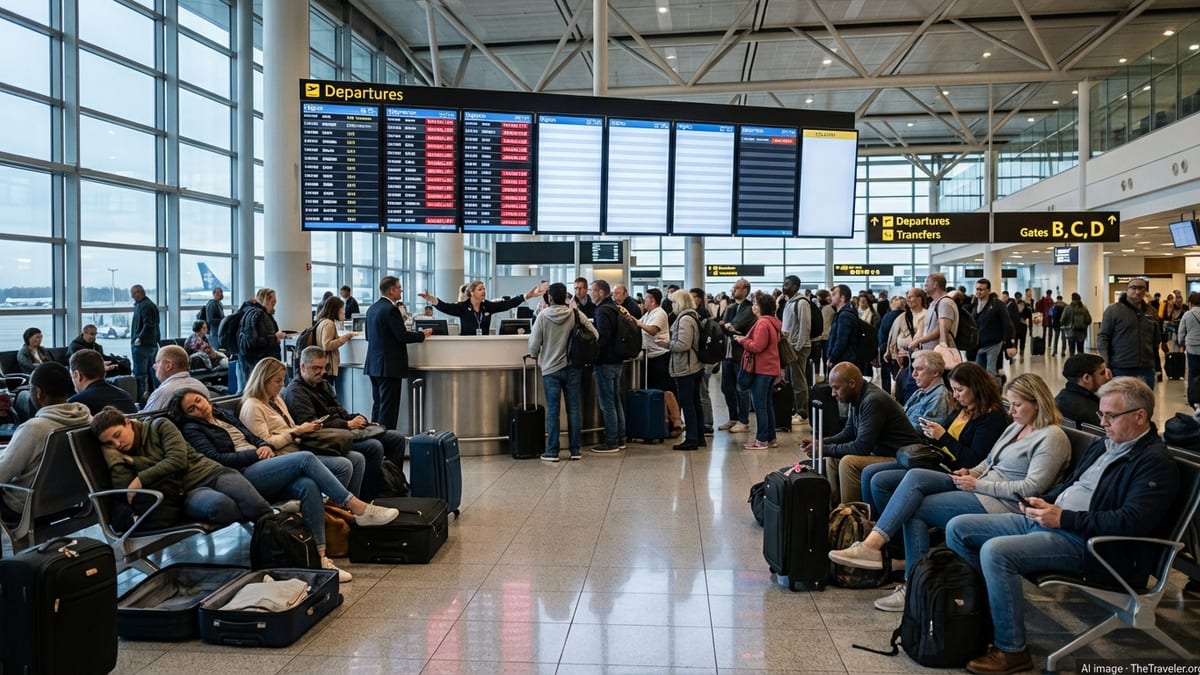
Six Destinations Remain at Level 4 on Updated Advisory List
Publicly available State Department data and independent tracking tools show that Iran, Iraq, Lebanon, Syria, Yemen and Gaza all currently carry a Level 4 advisory, the highest category in the United States four-tier system. Recent advisory notices have been reissued for several of these destinations without a change in level, signaling that U.S. risk assessments remain elevated even as specific security incidents and front lines shift.
A Level 4 rating is used for places where there is a greater likelihood of life-threatening risks and where government assistance may be severely limited in an emergency. Official explanatory material on the advisory system notes that Level 4 destinations are those where citizens are urged not to travel and, if already present, to consider departing when conditions allow. The six Middle East destinations currently in this category are grouped alongside other global hotspots such as Afghanistan, Haiti, parts of Ukraine and several African states.
Separate monitoring of the government’s advisory feed on November 10, 2026, indicates that all six locations remain at Level 4, with recent updates including an October 22, 2026 reissue for Iran that kept the “Do Not Travel” designation in place. Gaza, which is listed separately from Israel and the West Bank, continues to be singled out with its own Level 4 advisory following months of intense conflict and infrastructure damage.
Background material on high-risk areas further explains that in countries at this level, local laws, armed groups, health threats and limited consular access can intersect to create conditions where routine travel becomes extremely difficult. For U.S. passport holders, the renewed Level 4 signals that security dynamics in these six Middle East destinations are still assessed as too uncertain and dangerous for non-essential trips.
Why Iran, Iraq, Lebanon, Syria, Yemen and Gaza Remain High Risk
Advisory texts and specialist travel-risk analyses point to overlapping factors behind the continued “Do Not Travel” designation for the six locations, ranging from active armed conflict and terrorism to kidnapping, missile and drone activity, civil unrest and fragile health systems. Each destination carries a different combination of risks, but the shared theme is a volatile security environment where threats can escalate quickly and with little warning.
In Iran and Iraq, recent notices highlight the potential for targeted attacks on U.S.-linked interests, as well as the presence of armed militias and ongoing regional tensions. For Lebanon and Syria, coverage emphasizes the impact of neighboring conflicts, internal political strains and the risk of spillover violence affecting major cities and transport corridors.
Yemen remains one of the world’s most complex crisis settings, with advisory material underscoring the effects of long-running conflict, widespread weaponry, landmines and a severely constrained health and humanitarian landscape. Gaza is described in published analyses as facing significant infrastructure damage, limited access routes and unpredictable hostilities that can disrupt movement on very short notice.
Security-focused briefings circulated to the travel and aviation sector since mid-2026 also reference increased missile and drone activity in parts of the region, which can influence risk calculations for both overflights and ground movements. The renewed U.S. Level 4 status for all six destinations indicates that, taken together, these trends continue to outweigh any localized improvements.
Level 3 Versus Level 4: What It Means for Regional Itineraries
While the six Middle East destinations at the heart of the latest warning remain at Level 4, other countries in the wider region are currently assessed at Level 3 “Reconsider Travel.” Publicly accessible advisories and recent media coverage indicate that Bahrain, Jordan, Kuwait, Oman, Qatar, Saudi Arabia, the United Arab Emirates, Israel and the West Bank are all in this lower, but still serious, category.
The distinction matters for itinerary planning. Level 3 signals significant risks that warrant reconsideration of travel, often due to terrorism, armed conflict or civil unrest in certain areas, but it does not amount to the categorical “Do Not Travel” message associated with Level 4. For airlines, tour operators and corporate travel managers, this difference can influence route offerings, duty-of-care thresholds and insurance considerations.
However, regional dynamics mean that disruptions in Level 4 locations can spill into neighboring Level 3 markets. Industry assessments compiled in mid and late 2026 describe how airspace closures, rerouted flight paths and episodic security alerts have affected traffic flows across major Gulf and Levant hubs. Even trips that only involve transit through the region, rather than direct visits to Level 4 countries, may be affected by extended flight times, altered schedules or last-minute cancellations.
The renewed U.S. stance on the six destinations is therefore shaping not only direct travel to those areas but also how travelers, airlines and intermediaries think about multi-stop journeys that cross the wider Middle East. Many carriers continue to review routings over or near conflict zones on a rolling basis, with any new escalation potentially triggering fresh adjustments.
Practical Implications for U.S. Travelers and Travel Providers
For individual travelers, the persistence of Level 4 advisories for Iran, Iraq, Lebanon, Syria, Yemen and Gaza has immediate consequences. Some travel and evacuation insurance policies exclude cover for destinations that are under an official “Do Not Travel” warning, or impose higher premiums and stricter conditions. Travelers whose employers follow U.S. government guidance may also find that business trips into these areas are suspended or subject to exceptional approvals.
Public-facing advice from consular and emergency-management resources repeatedly encourages U.S. travelers to check the latest advisory status shortly before departure, as levels and underlying details can change with new security incidents. Registration in the Smart Traveler Enrollment Program is also promoted in official materials as a way to receive alerts and help consular officers make contact in a crisis, although enrollment does not guarantee evacuation assistance.
For tour operators and destination management companies, the renewed Level 4 warning has a chilling effect on marketing and product development for the six destinations. Industry bulletins circulated in 2026 show many companies focusing instead on alternative Middle East itineraries in relatively lower-risk markets such as the United Arab Emirates, Oman or selected parts of Jordan, while keeping contingency plans in place should advisory levels tighten further.
Corporate travel managers, particularly those overseeing energy, infrastructure and humanitarian deployments, continue to lean heavily on specialized security contractors, local intelligence and real-time alerting platforms when assessing any essential movement into Level 4 environments. The reaffirmed U.S. guidance reinforces the expectation that only critical, non-deferrable missions should be contemplated, and even then only with layered security, medical and evacuation planning.
How to Stay Informed as Conditions Evolve
Government advisories, while influential, are only one element of the information mix that informed travelers now rely on in an evolving Middle East security landscape. Aviation-focused resources that track airspace restrictions and conflict-zone risk, as well as aggregators that compile alerts from public health agencies and disaster-coordination bodies, have become key tools for understanding how far-reaching the impact of a new incident might be.
Recent security alerts urging Americans worldwide to exercise increased caution have emphasized the importance of monitoring local and international news, as well as checking embassy and consulate messages for the most current information on protests, curfews, transport disruptions or border closures. These alerts often reference the existing country-level advisory but provide more granular updates on short-term developments.
Risk analysts note that advisory levels can remain unchanged even as on-the-ground conditions fluctuate, particularly in already high-risk environments where volatility is expected. For travelers weighing essential journeys to or near the six Level 4 destinations, this means it is important to review not just the headline advisory, but also the detailed text, recent alert history and any airline or airport notices that may affect routing.
With the United States now reaffirming its strictest travel guidance for Iran, Iraq, Lebanon, Syria, Yemen and Gaza, the message to U.S. travelers is that caution, flexibility and thorough preparation remain essential for any movement in or around the region, and that plans may need to adapt quickly if security conditions shift.