


More news on this day
Three of the Western Hemisphere’s best-known beach escapes are under renewed scrutiny as recent U.S. government advisories highlight crime, safety and security risks in parts of Mexico’s Caribbean coast, Jamaica and The Bahamas, even as tourism to all three destinations continues at a brisk pace.
Get the latest news straight to your inbox!
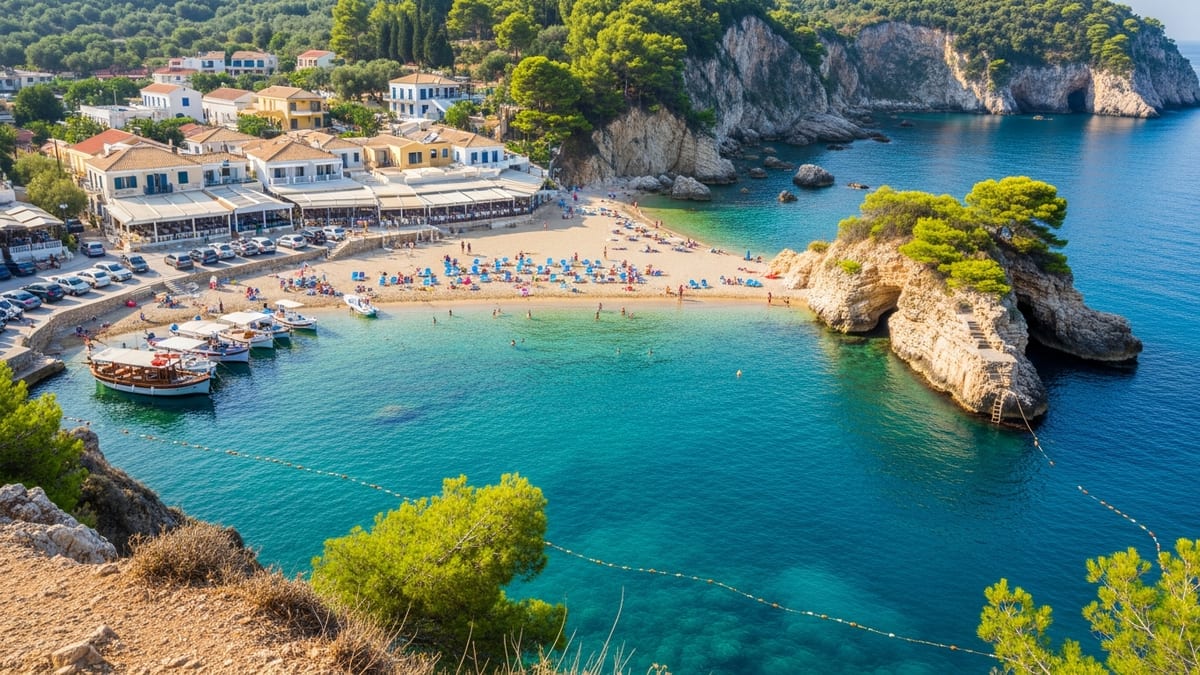
Mexico’s Caribbean resorts face security alerts alongside strong demand
The U.S. State Department currently assigns Mexico an overall Level 3 advisory, urging travelers to reconsider visits to some states, while listing others at Level 2, which calls for increased caution. Quintana Roo, home to Cancun, Playa del Carmen, Tulum and Cozumel, is categorized at Level 2. Publicly available guidance notes concerns about crime and occasional security incidents in the state, but stops short of advising against travel to the major resort areas.
In February 2026, the U.S. Mission in Mexico issued a series of security alerts tied to nationwide law enforcement operations, temporarily affecting travel patterns in several states, including Quintana Roo. Follow-up updates indicated that tourist zones in Cancun, Cozumel, Playa del Carmen and Tulum were operating normally after those incidents, underscoring how fast-changing but short-lived some of the disruptions can be.
Separate messaging aimed at spring break travelers has for several years urged U.S. citizens to exercise increased caution in the downtown areas of Cancun, Playa del Carmen and Tulum, particularly after dark. The advisories reference risks such as opportunistic crime, alcohol- and drug-related incidents and occasional violence linked to organized crime that can occur near nightlife districts, even when resorts and hotel zones continue to function without interruption.
Despite the recurring alerts, tourism data from Quintana Roo’s state authorities and local tourism boards show continued high occupancy in major resorts and steady international arrivals, especially from the United States. Local statements following the February 2026 security notices emphasized that airports, hotels and tour operations on the Caribbean coast remained open, indicating that for many visitors the impact of the advisories has been more about adjusting expectations and behavior than canceling trips outright.
Jamaica remains under a higher-level alert over crime and healthcare capacity
Jamaica, a long-time favorite for U.S. beachgoers, is currently listed at Level 3 on the U.S. State Department’s advisory scale, which recommends that travelers reconsider trips due to crime and concerns about the availability and quality of medical services. The advisory points to high rates of violent crime, including incidents in parts of Kingston, Montego Bay and other urban communities, and suggests that police response can be limited in some areas.
Published coverage of the advisory notes that non-tourist neighborhoods and specific sections of certain parishes account for much of the violence, while major resort corridors report lower rates of serious crime. Updates in 2024 and 2025 adjusted some of the language to clarify that tourist areas generally see fewer violent incidents than inner-city districts, but the overall Level 3 rating, and the call to weigh travel plans carefully, has remained in place.
The Jamaica advisory has also drawn attention to the island’s healthcare capacity. Publicly available information indicates that emergency services, ambulance coverage and hospital facilities, particularly outside major urban centers, may not meet the expectations of travelers accustomed to large U.S. medical networks. Visitors with underlying health conditions or those planning more remote stays are encouraged by official guidance to factor this into trip planning and consider insurance that includes medical evacuation coverage.
At the same time, tourism figures reported by Jamaican authorities highlight the country’s continued appeal. Government statistics for recent years show millions of annual visitors and record or near-record tourism revenue, driven largely by demand for all-inclusive beach resorts and cruise calls. Industry responses to the U.S. advisories have tended to stress that popular coastal areas continue to welcome large numbers of visitors, while acknowledging that guests are paying closer attention to neighborhood-level safety information and transport choices.
The Bahamas advisory zeroes in on Nassau and Freeport hot spots
The Bahamas currently carries a Level 2 advisory from the U.S. government, signaling that travelers should exercise increased caution rather than avoid the country. Official text for the advisory singles out New Providence Island, where Nassau and Paradise Island are located, and Grand Bahama Island, home to Freeport, as the primary areas where crime against visitors has been reported.
According to publicly available advisory details, most serious incidents affecting travelers have taken place in specific districts of Nassau and Freeport, including areas away from the main tourist strips. The guidance notes risks such as armed robbery and sexual assault, and urges caution after dark, particularly in poorly lit neighborhoods and outside resort properties. One section of the advisory states that U.S. government employees are prohibited from using rental jet skis and personal watercraft from independent operators on New Providence and Paradise Island due to past safety and harassment complaints.
International travel-safety resources echo many of these points, advising visitors to remain alert in downtown Nassau, avoid the Over-the-Hill area south of key commercial streets and be careful when walking alone or late at night. At the same time, these sources acknowledge that heavily visited resort zones and cruise port terminals maintain visible security and frequent police patrols, and that the vast majority of stays conclude without serious incident.
For travelers, the practical impact has often meant minor adjustments rather than wholesale trip changes. Local media and traveler reports describe beachgoers sticking closer to organized excursions, pre-booked transportation and resort-based water sports providers. Hotel and tourism officials have continued to promote new and renovated properties in Nassau, Paradise Island and the Out Islands, signaling that investment and visitor interest remain strong even in the context of heightened advisory language.
What the advisories mean for travelers planning winter beach escapes
For U.S. citizens weighing vacations in Mexico’s Caribbean resorts, Jamaica or The Bahamas, the latest advisory language translates into a need for closer research rather than automatic avoidance. The State Department’s four-tier system differentiates between individual states, islands and even neighborhoods, so a country-level headline often masks very different conditions from one beach or city to another.
Safety specialists recommend that travelers review the specific sections of each advisory dealing with local geography, transportation and common crime patterns. In practical terms, that can mean checking whether particular neighborhoods are flagged, understanding restrictions on certain activities such as late-night bar hopping, and paying attention to official notes on road safety, marina operations or unlicensed tour providers.
Public health information also plays a growing role in destination decisions. Along with the State Department advisories, travelers increasingly consult disease-control guidance for updates on vaccine recommendations, mosquito-borne illnesses and the availability of emergency and specialist care in resort regions. That layer of information has been especially important in destinations such as Jamaica, where healthcare capacity is a specific factor in the advisory level.
Travel industry observers point out that bookings to all three destinations remain robust heading into the Northern Hemisphere winter, suggesting that many visitors are choosing to adapt rather than cancel. For now, the U.S. travel warnings function less as red lights and more as detailed caution signs, inviting sun seekers to weigh location, timing and individual risk tolerance before settling on their next stretch of sand.