


More news on this day
The residential cruise ship Villa Vie Odyssey’s sudden halt in Cambodia, which left more than 200 paying residents scrambling for flights and lodging, is now casting fresh light on earlier lawsuits and a failed health inspection involving the company behind the voyage, according to recent reports and public records.
Get the latest news straight to your inbox!
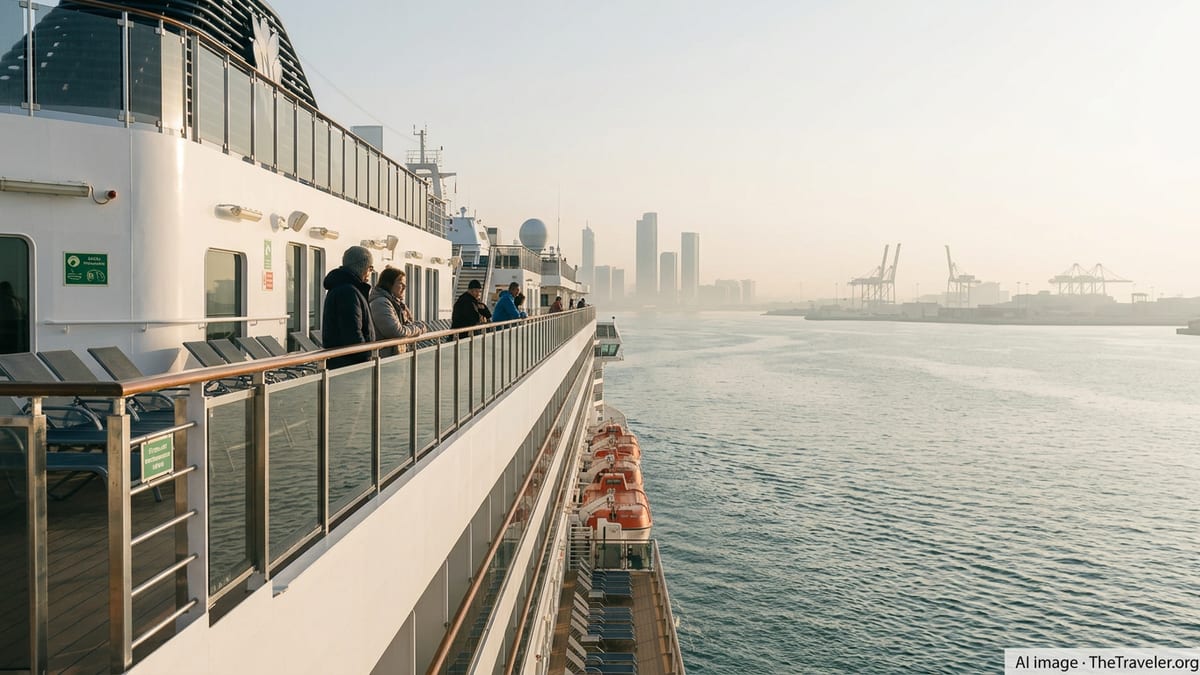
Forever Voyage Ends Abruptly in Sihanoukville
Villa Vie Odyssey, marketed as a floating residential community on a multi year around the world itinerary, suspended its journey this week while docked in Sihanoukville, on Cambodia’s southwest coast. Reports indicate that around 200 to 203 passengers and more than 150 crew were aboard when the operator halted operations and asked residents to disembark with limited notice.
Publicly available information shows that the company cited soaring fuel costs in Asia and broader financial pressures for the stoppage. Coverage of the incident indicates that the ship arrived in Sihanoukville in late October after sailing from Thailand, with plans to depart for Vietnam before the voyage was abruptly cut short. Passengers were informed that the operator could not secure the funds needed to refuel and continue the itinerary.
Local coverage in Cambodia describes port officials granting the vessel extra days at Sihanoukville Autonomous Port while the operator sought a solution. In the meantime, travelers who had expected to remain at sea for years were left to search for new accommodation and onward travel from a provincial hub that is less connected than major regional gateways such as Bangkok or Ho Chi Minh City.
Reports from international outlets indicate that the company offered some assistance with hotels and ground transport around Sihanoukville, but did not universally guarantee long haul flights back to home countries. Several travelers have described having only a matter of hours between receiving notice that the voyage was ending and the deadline to leave the ship.
Legal Disputes and a Failed Health Inspection Surface
As attention turned to the circumstances of the stranding, previous legal and regulatory issues involving the operator came into sharper focus. An overview of court records and investigative coverage indicates that entities linked to the company had been named in multiple lawsuits in the United States before the Cambodia incident.
One widely cited civil case involved a former passenger who alleged wrongful removal from the ship after raising concerns about management and onboard conditions. In that dispute, the company argued that the guest had breached terms and conditions and a nondisclosure agreement, while the plaintiff claimed retaliation and emotional distress. The matter added to questions about how the start up cruise line managed conflicts and criticism during the early months of its ambitious project.
Separate reporting has highlighted a failed health inspection at a port call earlier in the year, during which inspectors documented deficiencies in sanitation and public health measures. While the specific checklist findings have not been published in full, summaries referenced in news coverage describe issues ranging from food handling to general cleanliness. The company was reportedly required to correct problems and undergo follow up checks to maintain its ability to operate in certain jurisdictions.
Together, the prior lawsuits and the inspection setback are now being revisited by observers who see a pattern of operational strain and compliance challenges predating the financial crisis that culminated in Cambodia. Legal experts consulted in media reports suggest that these earlier red flags may feature prominently if new claims are filed by passengers following the ship’s sudden stop.
Money Troubles Behind the “Live at Sea” Experiment
Villa Vie Odyssey was part of a small but headline grabbing niche in the cruise sector, promising travelers the chance to buy cabins and live at sea for years at a time. Marketing materials and interviews with residents indicate that some passengers paid six figure sums up front for the right to occupy a unit for the life of the vessel, plus ongoing monthly maintenance charges meant to cover crew, fuel and port fees.
Reports on the ship’s finances suggest that the business model struggled to meet escalating costs almost from the start. Several analyses note that many cabins remained unsold, limiting recurring revenue, while fuel prices in parts of Asia rose sharply in 2026 amid regional instability and disruptions to shipping routes. To cut expenses, the company slowed the ship and extended port stays, but publicly available statements show these measures were not enough to stabilize the balance sheet.
Documents obtained by journalists, including internal presentations shared with prospective investors and passengers, describe last minute efforts to raise fresh funds in the months before the Cambodia stop. In some cases, existing residents were reportedly offered upgraded status or credits in exchange for additional payments to support fuel and operating costs. Reports indicate that by late October, however, the operator was warning that without an immediate cash injection, the voyage could not continue.
Coverage in business and travel media also points to looming creditor pressure. Company representatives have publicly discussed the possibility of filing for Chapter 11 bankruptcy protection in the United States in order to seek a court supervised restructuring while the ship remains laid up. If such a filing proceeds, it could shape what, if anything, passengers are able to recover from prepaid cabin purchases and unused portions of the planned voyage.
Stranded Travelers Weigh Options in Cambodia
On the ground in Sihanoukville, the abrupt end to life aboard has created a complex logistical puzzle for passengers, many of whom had sold homes or long term leases on land to join the so called forever cruise. News reports describe older travelers and remote workers alike suddenly confronted with the need to arrange visas, find short term rentals and rebook flights at relatively short notice.
Local and regional coverage indicates that Cambodian authorities allowed the ship to remain docked temporarily while residents transitioned ashore. Hotels and guesthouses in Sihanoukville and nearby coastal areas have seen a short term influx of foreign guests, some of whom are treating the unexpected pause as an opportunity to explore the country while they reassess longer term plans.
Travel industry analysts quoted in international coverage note that, compared with major hubs, Sihanoukville offers fewer direct long haul connections, pushing many stranded passengers to route flights through Phnom Penh, Bangkok or Singapore. This has added cost and complexity, particularly for travelers who had tied up significant liquidity in cabin purchases and onboard maintenance fees and now face unplanned expenses.
Reports also highlight that some passengers are considering collective legal action in the aftermath of the stranding, both to recoup funds and to address questions over transparency in the months leading up to the halt. Consumer advocates following the case note that the contract terms for residential style cruises can differ substantially from traditional cruise tickets, potentially affecting what rights travelers have when a voyage ends early.
Broader Implications for Residential Cruising
The events in Cambodia are resonating across the emerging residential cruise segment, where several companies have announced multi year itineraries allowing passengers to live at sea. Industry observers point out that this model ties travelers’ finances and housing arrangements more tightly to a single operator than a conventional voyage, increasing the stakes if a company runs into trouble.
Analysts writing in travel and business outlets suggest that future residential projects may face tougher questions from prospective buyers about financial reserves, fuel hedging strategies and contingency plans for geopolitical shocks. There is growing discussion about whether regulators and port states should require more detailed proof of financial capacity before authorizing long duration itineraries marketed as quasi permanent housing.
The Cambodia incident is also prompting scrutiny of how health and safety oversight applies when a ship functions as both a cruise vessel and a long term residence. The earlier failed inspection cited in reports has been raised as an example of how quickly confidence can erode when sanitation or maintenance standards slip, particularly for passengers who have committed years of their lives to living aboard.
For now, Villa Vie Odyssey remains an emblem of both the allure and the risks of living at sea. As investigations, potential lawsuits and any restructuring proceedings move forward, the experience of the passengers left standing on the pier in Sihanoukville is likely to shape how travelers, investors and regulators assess similar ventures in the years ahead.