


More news on this day
Three of the Western Hemisphere’s best-known beach escapes are facing heightened scrutiny from American travelers as recent United States government advisories draw fresh attention to safety, crime and storm risks in Jamaica, The Bahamas and Mexico’s Caribbean coast.
Get the latest news straight to your inbox!
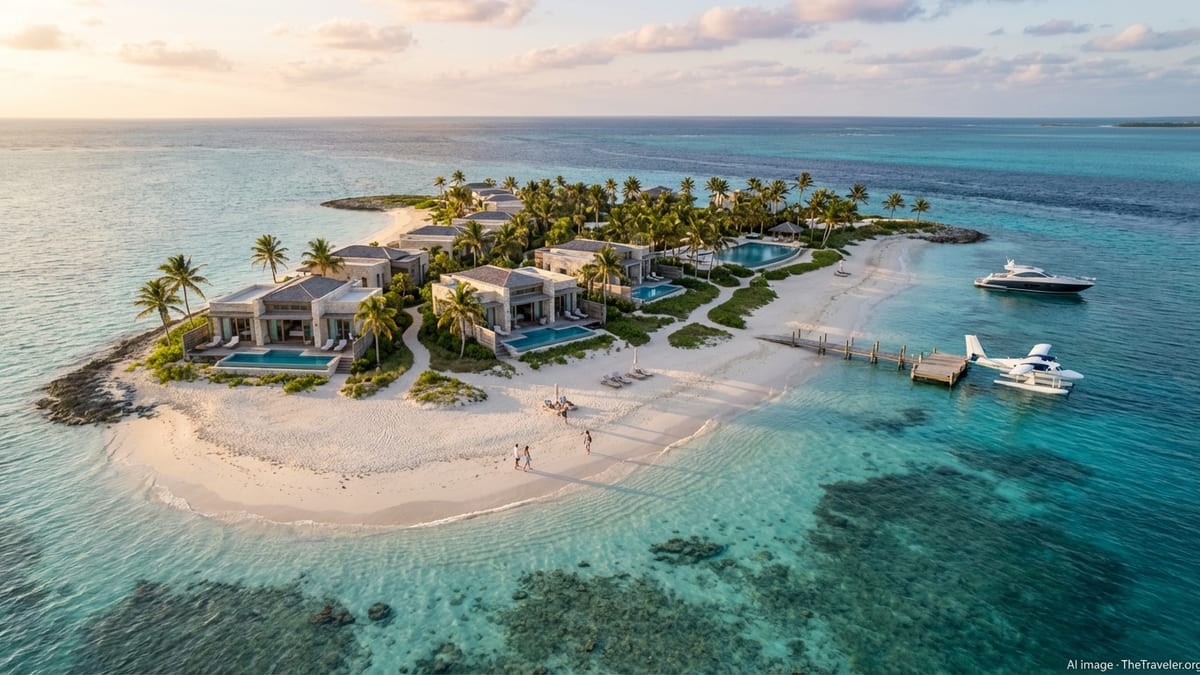
Caribbean Favorites Under a Sharper US Security Lens
Publicly available travel advisory data from the US Department of State shows that Jamaica, The Bahamas and Mexico remain among the most visited international destinations for Americans, yet they now appear on agency lists for varied risk factors ranging from violent crime to unregulated water sports and seasonal hurricanes.
The advisory framework uses four levels, from Level 1 “Exercise normal precautions” to Level 4 “Do not travel.” Jamaica currently carries a Level 3 “Reconsider travel” designation, while The Bahamas holds a Level 2 “Exercise increased caution” rating. Mexico is listed overall at Level 3, but the Yucatán Peninsula state of Quintana Roo, home to Cancún, Playa del Carmen, Tulum and the broader Riviera Maya, is categorized at Level 2.
Reports indicate that these gradings do not ban travel but aim to inform it. Tourism boards across the region continue to promote open hotels, functioning airports and strong demand, even as consular updates urge visitors to pay closer attention to local conditions, especially in urban centers and nightlife districts.
For Americans weighing winter and spring break plans, the new advisories mean that some of the hemisphere’s most familiar shorelines now come with more detailed fine print, particularly around where and how travelers move once they arrive.
Jamaica: Level 3 Advisory Highlights Crime and Medical Strain
Jamaica’s current Level 3 advisory, updated in 2026, cites persistent violent crime in parts of Kingston, Montego Bay and several parishes, along with pressure on local health services. According to published coverage summarizing the advisory, US authorities have highlighted incidents of homicides, armed robberies and sexual assaults, some occurring in areas frequented by visitors.
Public advisory documents further indicate that specific neighborhoods and roadways are subject to heightened caution or, in some cases, recommended avoidance. Separate risk assessments referenced by international insurers point to periodic states of emergency and curfews in high-crime zones as part of Jamaica’s internal security response.
Medical capacity is another focal point. Consular information notes that trauma care and specialized treatment can be limited, particularly outside major urban centers, and that private facilities may require proof of insurance or upfront payment. Travelers are encouraged in these materials to carry comprehensive health and evacuation coverage if they choose to visit.
Despite the wording of the Level 3 notice, flights to Montego Bay and Kingston remain widely available from major US hubs, and resort corridors along Jamaica’s north coast continue to receive large numbers of guests. Travel industry briefings emphasize that conditions can vary sharply by neighborhood, and that many large properties operate with layered private security and transportation arrangements.
The Bahamas: Crime Concerns and Unregulated Water Sports
The Bahamas, a long-standing cruise and resort favorite for US travelers, is currently subject to a Level 2 travel advisory that stresses crime risks in Nassau and Freeport along with safety issues involving water sports providers. An advisory update dated July 28, 2026, highlights incidents of armed robberies and burglaries in some urban districts, with particular concern for areas of Nassau located away from primary tourist zones.
Recent consular messaging and media coverage draw attention to unregulated jet ski and personal watercraft rentals around New Providence and Paradise Island. The advisory language notes past injuries, deaths and reports of sexual assaults linked to informal rental operators, and states that US government personnel are not permitted to rent jet skis from independent vendors at those locations.
International safety notices from other governments echo similar themes, describing the Bahamian water sports sector as poorly regulated and urging visitors to verify that any tour or rental company is licensed and insured. Advice from foreign ministries in partner countries also points out that emergency alerts about approaching storms and severe weather are distributed by Bahamian meteorological authorities and can be received on mobile devices.
While crime statistics cited in overseas reports show that most serious incidents occur away from resort compounds and cruise port shopping districts, the combination of urban gang violence and ad hoc water sports operations has placed Nassau in particular under closer external scrutiny. For travelers, the latest guidance translates into a call to stick to well-known areas, use vetted excursion companies and remain cautious after dark.
Quintana Roo and Mexico’s Caribbean Coast: Level 2 Within a Level 3 Country
Mexico as a whole retains a Level 3 “Reconsider travel” advisory for US citizens, reflecting security challenges in several states. Within that national picture, however, Quintana Roo, the Caribbean state that includes Cancún, Cozumel, Isla Mujeres, Playa del Carmen, Tulum and the surrounding Riviera Maya, is classified at Level 2 “Exercise increased caution.”
Travel guidance reviewed by TheTraveler.org notes that visitors to Quintana Roo are primarily warned about opportunistic crime, isolated incidents of violence near nightlife venues and occasional security operations that can temporarily disrupt transportation. In February 2026, for example, security alerts from the US Mission in Mexico referred to short-term instructions for US government staff in multiple states while also clarifying in later updates that tourism operations in Quintana Roo had returned to normal.
A separate bulletin from Quintana Roo’s state tourism authorities issued on February 23, 2026, emphasized that all four international airports, cruise terminals, hotels and ground transport services in the region were functioning without disruption following that episode. Travel trade advisories circulated in the same period underscored that the overall federal Level 2 rating for Quintana Roo had not changed.
Infrastructure improvements continue alongside the heightened attention. The opening of Tulum International Airport in late 2023 has added a new gateway for US and European travelers, while large resorts along the Riviera Maya have reported high occupancy through 2026, according to industry releases. At the same time, visitors are urged in public safety materials to stay aware of their surroundings, especially in crowded bars or clubs where previous high-profile incidents have taken place.
Storm Season, Insurance and Practical Takeaways for Travelers
The latest advisories for Jamaica, The Bahamas and Mexico’s Caribbean coast intersect with another recurring concern: Atlantic hurricane season, which typically peaks from August through October. Weather alerts such as a September 30, 2026 notice from the US Mission in Mexico about Hurricane Rachel’s impact on Cabo San Lucas demonstrate how port closures, beach shutdowns and flooding can quickly alter beach vacation plans, even if the core resort areas in the Caribbean remain open.
International government travel pages for The Bahamas and other island states urge visitors to monitor local meteorological services and the US National Hurricane Center for storm tracks, reinforcing a message that itinerary flexibility is essential during late summer and early autumn. Similar notices advise travelers to register with consular alert systems so that security or weather updates can be delivered directly by email or text.
Across all three highlighted destinations, public information from consular agencies and foreign ministries consistently recommends that visitors review their health and evacuation insurance, avoid poorly lit or isolated areas at night, limit displays of valuables and consider using hotel-arranged taxis or transfers. For activities on the water, official advice stresses booking with recognized operators, checking safety equipment and avoiding excursions in unfavorable weather.
While the new and updated US advisories may influence how some Americans perceive these beach hotspots, they have not halted tourism flows. Instead, they are reshaping the questions travelers ask before departure, prompting closer examination of neighborhood-level conditions, operator credentials and seasonal weather patterns before committing to a Caribbean or Mexican beach escape.