


More news on this day
The United States has reissued its travel advisory for the Turks and Caicos Islands, sharpening focus on crime related risks and bringing renewed attention to practical safety guidance for the thousands of cruise passengers who pass through Grand Turk every week.
Get the latest news straight to your inbox!
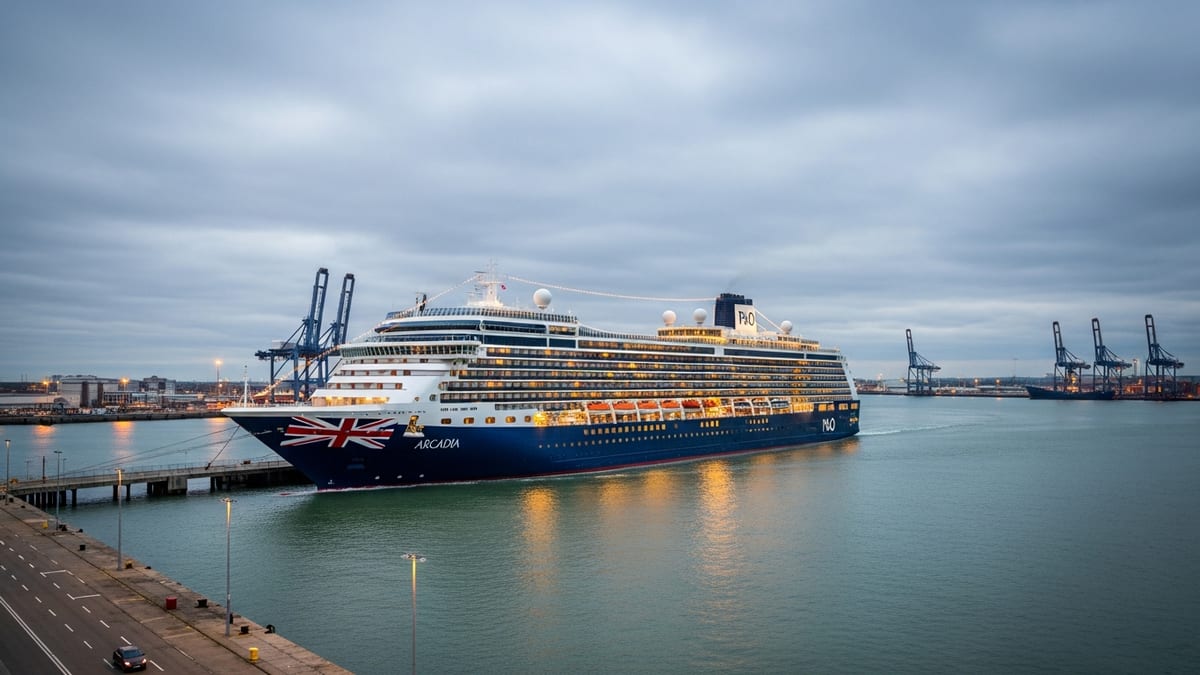
Reissued advisory highlights crime concerns in Turks and Caicos
The latest update from the United States classifies the Turks and Caicos Islands as a Level 2 destination, advising travelers to exercise increased caution due to crime. The advisory, refreshed on July 7, 2026, reiterates longstanding concerns about opportunistic offenses such as pickpocketing, purse snatching and scams in tourist areas, and reminds travelers to remain alert in crowded spaces.
Publicly available State Department information notes that most reported crime is concentrated on Providenciales, the territory’s main tourism and population center. However, the advisory is issued for the entire territory, which includes Grand Turk, South Caicos and the smaller family islands. Travelers arriving by sea are encouraged to take the same precautions recommended for land based visitors, particularly when moving beyond controlled cruise terminal areas.
The revised summary does not change the overall risk level but refines language around patterns of crime, including reports of sexual assaults and other incidents affecting visitors. Coverage in major US media and travel outlets indicates that the renewed advisory is part of a broader cycle of periodic reviews across the Caribbean rather than a response to a single new event.
Implications for Grand Turk as a growing cruise hub
Grand Turk’s cruise center serves as one of the territory’s key tourism gateways, handling a steady roster of visits from major North American cruise brands. Schedules compiled by cruise industry trackers show that at least a dozen lines are expected to call at Grand Turk between July and December 2026, underlining the port’s importance in regional itineraries that also include private islands and other Caribbean stops.
Industry reporting notes that Grand Turk is often used as an alternative port when itineraries are adjusted away from destinations facing higher security or political risks. In recent years, cruise lines have at times replaced calls in parts of Haiti and other sensitive ports with visits to Turks and Caicos, adding further traffic to Grand Turk’s compact facilities.
With the updated US advisory drawing fresh attention to safety issues in the archipelago, cruise passengers may see heightened messaging from travel providers around basic precautions. These typically include securing valuables, limiting the visible display of cash and high value items, and remaining within well populated areas or organized excursions when going ashore.
What the advisory means for cruise passengers in port
While the Level 2 designation is relatively moderate compared with higher level warnings applied to some Caribbean destinations, the refreshed language underscores that visitors should remain situationally aware, even inside a managed cruise environment. Travel information platforms explain that crimes of opportunity can occur near beaches, bars and shopping zones located immediately around cruise terminals, as well as in independent tour settings.
For passengers disembarking at Grand Turk, the advisory reinforces the value of planning activities through reputable operators, paying attention to local guidance and avoiding isolated areas, especially after dark. Travel coverage points out that the compact nature of Grand Turk’s main cruise beach and shopping complex can make it easier to stay within monitored zones, but visitors who rent vehicles, golf carts or watercraft to explore beyond the pier are encouraged to review local safety advice in advance.
Insurance specialists and consumer advocates routinely emphasize that travelers should check policy language related to crime, medical care and emergency evacuation when visiting smaller island destinations. Public information on Turks and Caicos highlights that Grand Turk has limited medical facilities compared with larger regional hubs, so serious cases may require transfer to Providenciales or abroad, an added reason for travelers to verify coverage before sailing.
Part of a wider pattern of Caribbean safety updates
The Turks and Caicos advisory update comes amid a wave of recent reviews across the Caribbean, as US agencies and other governments adjust guidance to reflect evolving security, crime and disaster conditions. Recent months have seen changes to advisories for destinations including Jamaica, Trinidad and Tobago and parts of the Bahamas, producing a patchwork of risk levels across cruise heavy routes.
Analysts following regional tourism trends note that even modest wording changes in official advisories can influence traveler perceptions, prompting itinerary tweaks by tour operators and closer scrutiny from travel agents. In the case of Turks and Caicos, the maintained Level 2 status suggests that authorities view the overall risk as manageable for informed visitors, while still warranting a clear reminder of the potential for crime.
Comparative advisory maps shared by travel data projects show that many of the Caribbean’s busiest cruise ports fall into Level 2 or Level 3 categories, reflecting concerns about urban crime or targeted incidents near tourist zones. Within that context, the Turks and Caicos update places Grand Turk in line with a broader regional emphasis on individual vigilance rather than sweeping travel restrictions.
How travelers and the cruise industry are responding
Early reaction in traveler forums suggests that most cruise passengers are factoring the Turks and Caicos advisory into a wider set of Caribbean safety considerations, rather than treating it as a reason to cancel trips outright. Many comments describe plans to continue visiting Grand Turk while adopting simple measures such as moving in small groups, keeping bags zipped and avoiding overindulgence in alcohol away from the ship.
Cruise industry publications indicate that lines calling at Grand Turk are reviewing customer facing information but have not announced large scale itinerary shifts in response to the advisory refresh. Safety briefings, shore excursion descriptions and pre cruise emails are likely to echo the themes of the official guidance, encouraging guests to balance enjoyment of the island’s beaches and marine activities with practical caution.
Travel experts advise that prospective visitors monitor advisory pages and reputable news outlets in the weeks before departure, particularly during hurricane season when weather related disruptions can compound safety concerns. For now, publicly available information portrays Grand Turk as a busy but comparatively low key cruise stop where informed travelers, aware of their surroundings and respectful of local conditions, can continue to enjoy the destination within the parameters of the updated US advice.