


More news on this day
Passengers booked on a recent US-Bangla Airlines service from Dhaka to Chennai have described a gruelling overnight delay of more than seven hours, alleging poor communication, limited assistance and an extended wait inside the aircraft before the flight finally departed.
Get the latest news straight to your inbox!
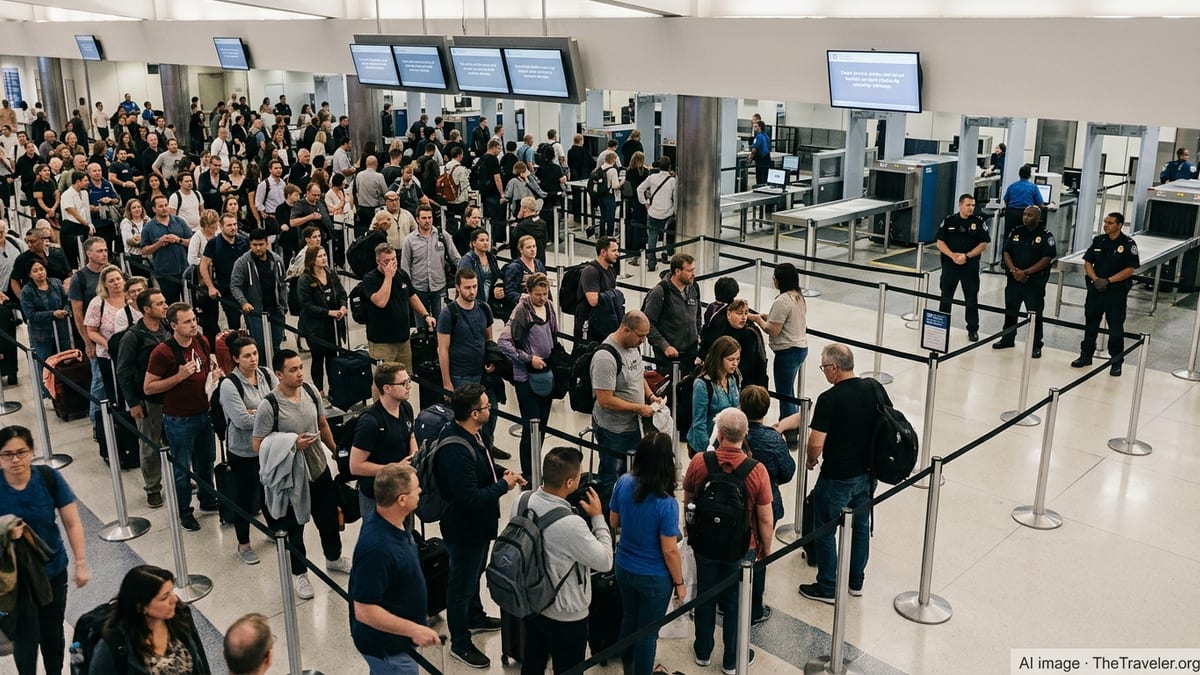
Overnight delay on Dhaka–Chennai route
According to published coverage and flight-tracking data for US-Bangla’s Dhaka–Chennai service, the affected flight was scheduled to depart Hazrat Shahjalal International Airport in the early hours of the morning, connecting Bangladesh’s capital with the major South Indian city. Passengers say that instead of a routine departure, they faced an extended disruption that pushed the flight well beyond its planned schedule.
Reports indicate that departure information at the terminal changed several times through the night, with the delay ultimately stretching to more than seven hours. Travellers described waiting first at the gate and then on board as the airline worked through what was described publicly as an operational or technical issue affecting the service.
Publicly available data for the Dhaka–Chennai route shows that the US-Bangla flight typically operates as a relatively short regional sector. For many on board, the disruption effectively turned a brief cross-border hop into an all-night ordeal, particularly for those with onward connections, medical appointments or business commitments scheduled in Chennai.
Passengers allege poor communication and limited care
Accounts shared in local media and on social platforms describe mounting frustration among travellers as the night wore on. Several passengers alleged that announcements about the cause and likely length of the delay were infrequent or unclear, leaving families, elderly travellers and those with health conditions unsure how long they would be waiting.
Some travellers reported that basic amenities, including access to regular refreshments and clear information about options to rebook or cancel, were limited during extended periods of waiting. While airlines in the region often provide meal vouchers or accommodation in cases of major disruption, passengers on this flight claimed that support was inconsistent and in some cases arrived only after repeated requests.
For those who remained committed to travelling on the delayed service, the experience was described as both physically and emotionally draining. Parents recounted trying to keep children calm and rested in crowded seating areas, while other passengers highlighted the stress of watching important meetings and appointments in Chennai slip away as the delay lengthened.
Airline response and operational context
US-Bangla Airlines has previously presented itself as a growing full-service carrier linking Bangladesh with key regional hubs, including southern Indian cities such as Chennai. Public information from the airline and aviation databases shows that the Dhaka–Chennai route is a regular part of its international network, with an overall record of relatively strong on-time performance on many days.
In this case, reports indicate that the airline cited a combination of operational factors, including technical checks and wider airport constraints, as contributing to the disruption. Aviation reporting in Bangladesh has recently highlighted how weather, runway availability and traffic congestion at Dhaka can all affect departure times, occasionally triggering knock-on delays to outbound international services.
While US-Bangla has not publicly detailed every stage of the delay, industry observers note that carriers must balance safety requirements with passenger comfort when technical or operational concerns arise. Airlines are expected to keep travellers informed and offer reasonable care, such as refreshments and rebooking options, when disruptions extend for several hours.
Broader concerns over passenger rights and accountability
The Dhaka–Chennai delay has added to a wider regional conversation about how South Asian airlines and airports handle long on-ground disruptions. Recent incidents involving other carriers at Dhaka have drawn attention to passengers being held for extended periods on parked aircraft or in crowded terminals during technical checks and adverse weather, prompting public criticism and questions about minimum service standards.
Unlike some jurisdictions where detailed passenger rights regulations specify compensation, duty of care and maximum tarmac holding times, the framework for international flights between Bangladesh and India is less prescriptive. Travel analysts say this can leave passengers heavily reliant on individual airline policies when major disruptions occur, particularly overnight.
Consumer advocates in both countries have called for clearer, more accessible information about what travellers can expect in cases of significant delay, including time limits for remaining on board without access to the terminal, guaranteed access to food and water, and straightforward procedures for refunds or rebooking. Incidents such as the reported seven-hour holdup on the US-Bangla Dhaka–Chennai flight are likely to keep these issues in the spotlight.
Impact on confidence in regional air travel
For affected travellers, the Dhaka–Chennai disruption has raised concerns not only about a single flight but also about the broader reliability of regional air connections that many rely on for business, medical care and family visits. Chennai is a key destination for Bangladeshi passengers seeking specialist healthcare and educational or commercial ties, meaning delays can have consequences beyond missed leisure time.
Travel forums and social media posts show that some passengers are now reconsidering schedules, opting for earlier departures or extended layovers to provide a buffer against potential disruption on regional routes. Others say they are paying closer attention to airline track records, cancellation policies and support provisions before booking.
While aviation data suggests that severe, seven-hour-plus delays remain relatively uncommon on the Dhaka–Chennai corridor, the experience reported by US-Bangla passengers underscores how a single prolonged disruption can erode trust quickly. Industry observers note that consistent communication, transparent explanations and visible care measures during such events are likely to be crucial in rebuilding passenger confidence on one of South Asia’s busiest short-haul international links.