


More news on this day
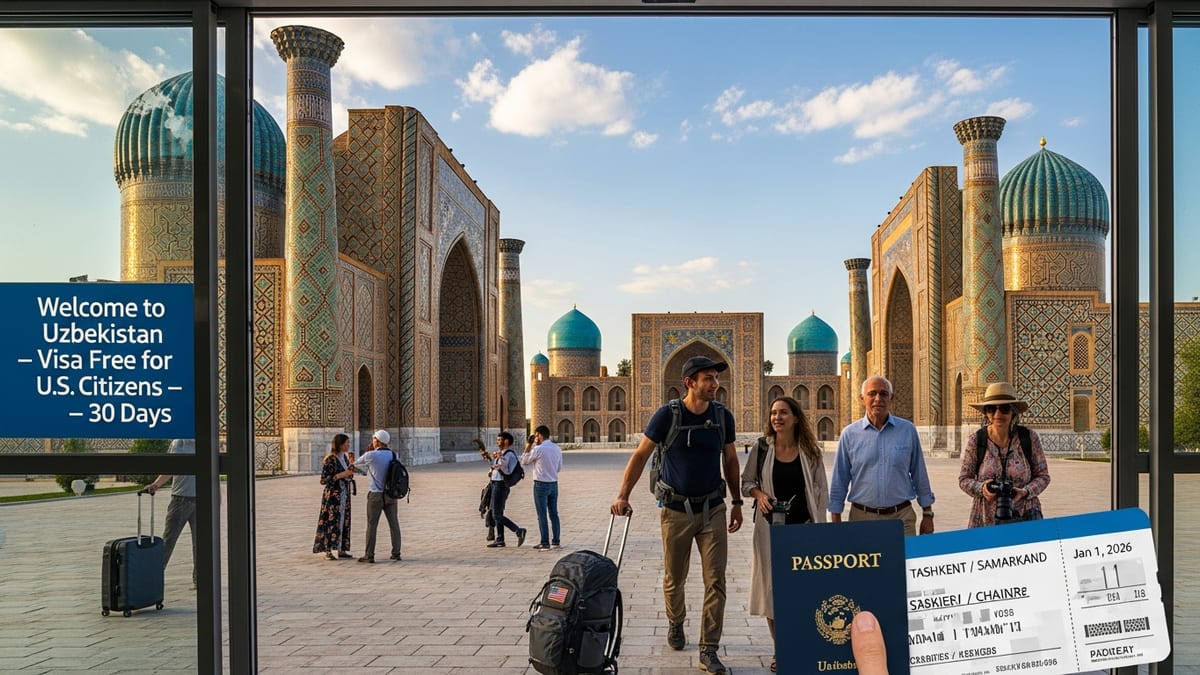
Uzbekistan and Pakistan are moving to a new phase of tourism cooperation, unveiling a series of fresh agreements and initiatives aimed at boosting two-way visitor flows, developing joint travel products and strengthening their role as regional gateways between Central and South Asia.
Get the latest news straight to your inbox!
Strategic Partnership Drives Tourism Push
Recent high-level contacts between Tashkent and Islamabad have placed tourism among the priority sectors of a broader strategic partnership, alongside trade, transport and investment. Publicly available information shows that in early 2025 the two governments endorsed a substantial package of bilateral agreements, creating a framework for closer coordination in sectors including tourism, culture and transport connectivity.
Analysts of the relationship note that both countries are seeking to leverage geography and shared history to position themselves as bridges between Central and South Asia. Uzbekistan views Pakistan’s seaports and large outbound travel market as key to diversifying its visitor base, while Pakistan sees Uzbekistan’s Silk Road cities and growing aviation links as a gateway to Central Asia’s cultural and pilgrimage routes.
Policy papers and official briefings indicate that the strategic partnership concept now explicitly references tourism as a growth engine, encouraging agencies, regional authorities and private operators to collaborate on products that combine cultural heritage, religious tourism and nature-based travel across both territories.
New Forums and Agreements Focus on Joint Packages
Tourism agencies from both countries have intensified dialogue through dedicated forums and virtual platforms designed to translate political goodwill into concrete products. In September 2025, a Pakistan–Uzbekistan virtual tourism forum brought together dozens of tour operators and industry representatives to discuss ways to structure joint itineraries, share market data and coordinate promotion. According to published coverage of the event, participants agreed to expand cooperation between private-sector firms and to create a permanent network of tourism operators for both countries.
Reports on the forum indicate that a central objective is the development of integrated tour packages that combine destinations in Uzbekistan and Pakistan into single itineraries. Proposed products include combined cultural heritage tours linking Samarkand, Bukhara and Khiva with Lahore and Taxila, as well as itineraries that connect Uzbekistan’s Islamic architectural sites with Pakistan’s Sufi shrines and historic mosques for faith-based travelers.
Industry discussions have also highlighted interest in adventure and nature tourism products that could eventually connect Uzbekistan’s mountain regions and desert landscapes with Pakistan’s northern valleys. Stakeholders describe these multi-country packages as a way to lengthen visitor stays, raise average spending and differentiate both destinations in a competitive regional market.
Rising Visitor Numbers and Improved Connectivity
Tourism flows between Uzbekistan and Pakistan have expanded rapidly in the past two years, supported by easing of visa procedures and the restoration of direct flights. Uzbekistan’s statistics services report that visits by Pakistani tourists climbed sharply through 2024 and 2025, while the number of Uzbek citizens traveling to Pakistan for tourism purposes has also increased severalfold on an annual basis.
Coverage by national news agencies in Tashkent points to a notable uptick in Pakistani arrivals, with total visitor numbers from Pakistan to Uzbekistan in 2025 estimated in the tens of thousands, several times higher than levels recorded just a few years earlier. Pakistani tourism authorities and diplomatic missions, for their part, frame the trend as evidence of growing interest in Uzbekistan’s Silk Road heritage and religious tourism offerings.
Aviation developments have played a central role. Uzbekistan’s flag carrier has expanded direct connections to Pakistani cities, while airline announcements and embassy newsletters describe an increase in weekly frequencies on routes linking Tashkent with Lahore and Islamabad. These additional flights are presented as a response to rising demand and are expected to support the rollout of new package tours targeting both group and independent travelers.
Joint Marketing, Roadshows and Media Outreach
Beyond formal agreements, both sides are investing in joint marketing to build awareness of cross-border itineraries. In April 2025, Uzbekistan’s tourism authorities staged a roadshow series across Lahore, Karachi and Islamabad, with the support of Pakistani government partners and local industry. Public information on the events highlights participation from hundreds of tour operators, hospitality businesses and media representatives.
The roadshows showcased Uzbekistan’s key destinations, including the historic cities along the Silk Road, and promoted new thematic routes in cultural, gastronomic and pilgrimage tourism. Pakistani stakeholders used the platform to explore options for co-branded tour packages, seasonal charters and promotional campaigns tailored to family groups and religious travelers.
Media outreach has complemented these business-to-business activities. In March 2026, Uzbekistan’s tourism potential was featured on a widely watched Pakistani television program during the Ramadan period, with discussion focused on opportunities in hospitality, cultural heritage and collaborative tourism projects. Commentators view such appearances as a cost-effective way to reach mass audiences and stimulate interest in emerging joint offerings.
Regional Corridors and Future Tourism Products
Plans for broader regional transport corridors are expected to reinforce tourism cooperation between the two countries over the medium term. Analytical materials on the bilateral partnership refer to the development of multimodal routes connecting Uzbekistan, Kyrgyzstan, China and Pakistan, which could eventually support overland tourism circuits linking Central Asian cities with northern Pakistan and beyond.
Uzbekistan’s nationwide tourism development strategies emphasize diversification of source markets and the creation of new thematic routes, including pilgrimage-focused products targeting visitors from Muslim-majority countries such as Pakistan. Pakistan’s tourism planning documents similarly call for expanded collaboration with Central Asian states, particularly in cultural and adventure tourism, as part of efforts to increase international arrivals.
Industry observers suggest that the next phase of cooperation may include joint investment in hospitality infrastructure, coordinated training programs for guides fluent in Urdu and English, and digital platforms that allow travelers to book multi-country packages in a single transaction. If implemented effectively, these initiatives could solidify Uzbekistan and Pakistan’s emerging tourism alliance and enhance their combined visibility in global travel markets.