


More news on this day
With winter bookings ramping up, many Americans are eyeing the Caribbean for sun and sand just as several of the region’s most popular islands appear on the latest list of United States travel advisories. The notices do not ban travel, but they do spell out specific crime and safety concerns that visitors should factor into their plans for the coming high season.
Get the latest news straight to your inbox!
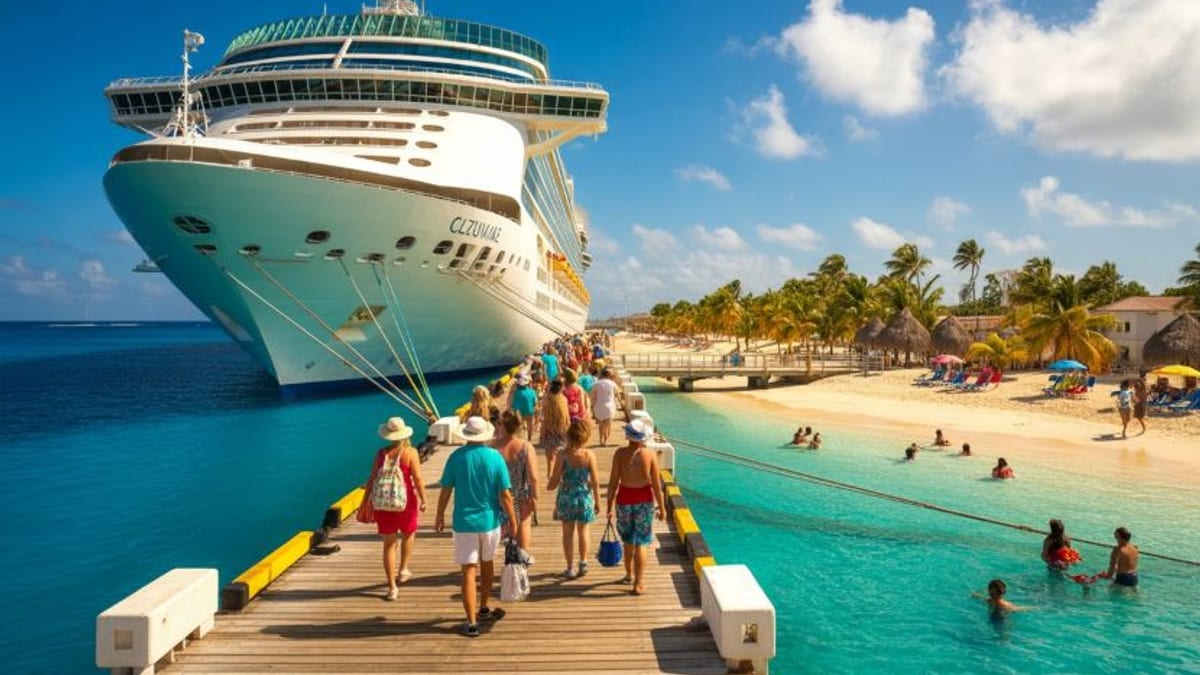
How US Travel Advisories Work For Caribbean Trips
The US Department of State assigns each country a travel advisory level from 1 to 4, ranging from normal precautions to “do not travel.” As of early October 2026, many of the Caribbean’s most visited islands are rated at Level 2, which signals that travelers should exercise increased caution, while some destinations have recently shifted between levels as security conditions evolved.
Publicly available information shows that advisory levels can stay in place for months or longer, but the detailed guidance underneath is updated as specific neighborhoods, types of crime, or health care concerns change. For winter travelers, that means the headline level only tells part of the story; the fine print about urban areas, late night movement, and resort zones is often more relevant to day to day decisions.
The advisories also distinguish between overall country risk and localized restrictions that apply to US government personnel. When certain roads, city districts, or nighttime activities are off limits to official staff, leisure travelers are encouraged to consider similar limits, especially when planning independent excursions away from resort corridors and cruise terminals.
For Caribbean vacations booked for December 2026 through March 2027, this framework means trips are still going ahead in large numbers, but travelers are being urged to pay closer attention to where they stay, how they move around island cities, and what kind of insurance and medical access they arrange before departure.
The Bahamas: Level 2 Advisory And Focus On Nassau
The Bahamas, a staple winter escape for US cruise passengers and resort guests, is currently under a Level 2 advisory that was refreshed in late July 2026. The guidance cites crime as the primary concern and notes that most incidents are concentrated on New Providence, where the capital Nassau is located, and on Grand Bahama, home to Freeport. Newer analyses from regional police and international insurers describe crime as a moderate concern in these urban centers, particularly for incidents such as armed robbery and burglary after dark.
Reports indicate that many violent incidents continue to occur in specific neighborhoods away from the main resort strips and cruise port, often linked to local disputes and gang activity. Advisory language urges visitors to remain alert in parts of Nassau south of key commercial arteries and to be cautious when moving beyond established tourism zones without a vetted guide or transportation provider. Outside New Providence and Grand Bahama, the so called Family Islands see significantly lower crime rates and are not highlighted in the same way in current guidance.
For winter visitors flying into Nassau’s Lynden Pindling International Airport or arriving by cruise ship, the practical implications center on transportation and nightlife. Travelers are encouraged to pre arrange taxis or private transfers through their hotel, limit walking in unfamiliar areas after dark, and keep valuables such as jewelry and electronics discreet. The advisory does not discourage use of major resorts, marinas, or family oriented attractions, but stresses the importance of situational awareness when venturing into downtown streets, local bars, or residential districts.
Insurance and medical planning also feature in the Bahamas information page. Hospital care is available in Nassau and Freeport, but emergencies in other islands may require medical evacuation to larger facilities. With winter bringing a spike in cruise calls and resort occupancy, travelers are being reminded to confirm that their health coverage includes overseas care and potential air ambulance transport if necessary.
Jamaica: From Level 3 Concerns To Updated Guidance
Jamaica has drawn intense attention in recent years after US guidance urged travelers to reconsider visits due to crime and limited health care capacity. In 2024, the country was listed at Level 3, with references to high homicide rates and incidents of armed robbery and sexual assault, including some cases linked to areas near tourist zones. Subsequent data show that national homicide figures fell below 700 in 2025 for the first time in more than three decades, leading to a significant reassessment of overall risk.
By mid 2026, the State Department’s advisory for Jamaica was updated to Level 2, again signaling increased caution rather than a call to avoid travel altogether. The detailed guidance still highlights persistent problems in parts of Kingston, Montego Bay, Spanish Town, and specific communities around Ocho Rios and Negril. Certain neighborhoods and roadways remain listed as areas where US government personnel face movement restrictions, especially after dark or without prior authorization.
For winter travelers headed to Montego Bay’s all inclusive resorts, Negril’s Seven Mile Beach, or the north coast’s cruise ports, the current advisory underscores the difference between heavily policed tourist corridors and surrounding urban districts. Publicly available notices recommend using licensed transportation arranged through hotels or reputable tour operators, avoiding informal taxis, and steering clear of inner city areas not frequented by visitors. Travelers considering private rentals or off grid stays are urged to research the exact neighborhood, security arrangements, and emergency response times before confirming.
Health care considerations are another continuing theme in Jamaica’s advisory. While private clinics and hospitals in major cities can handle many routine issues, the guidance warns that serious trauma care and specialized treatment may be limited compared with large US centers. Winter visitors are therefore advised to carry adequate travel medical insurance, maintain copies of prescriptions, and factor response times into plans for remote excursions, including rafting, hiking, or visiting less developed beaches.
Dominican Republic: Increased Caution Around Urban Crime
The Dominican Republic, one of the Caribbean’s busiest tourism markets, currently appears on the US advisory list at Level 2, with crime cited as the main reason. The advisory, last revised in June 2025, points to robberies, sexual assaults, and violent incidents in parts of larger cities such as Santo Domingo and Santiago, as well as in certain nightlife districts around resort hubs like Punta Cana and Puerto Plata.
Available public guidance indicates that most visitors to major resort complexes experience trips without serious incidents, particularly when staying within secured properties and using arranged transportation for airport transfers and excursions. The risks increase in late night entertainment zones, on poorly lit streets, and when travelers carry large amounts of cash or display expensive watches, phones, and handbags. Advisory wording encourages visitors to remain in well traveled areas, especially near beaches, shopping centers, and hotel zones that maintain private security and close coordination with local police.
For the coming winter season, the Dominican Republic’s popularity with US travelers is expected to remain strong, supported by extensive air connections and comparatively competitive room rates. Within that context, the Level 2 advisory serves as a prompt to adopt basic urban safety habits: traveling in small groups at night, confirming that excursion providers are licensed and insured, and keeping photocopies of passports and other key documents separate from originals.
The advisory also flags the importance of understanding local regulations, including road safety and vehicle rental rules, for visitors who plan to drive. Traffic accidents remain a significant cause of serious injury for tourists across the island, and official guidance stresses the need for caution when using motorbikes, scooters, or informal ride services on busy coastal highways and in city traffic.
Turning Advisories Into Practical Winter Travel Planning
For travelers planning a warm weather escape between December and March, the presence of a Level 2 or recently adjusted advisory does not automatically mean canceling a trip to the Bahamas, Jamaica, or the Dominican Republic. Instead, these notices function as risk summaries that can inform choices about destinations, neighborhoods, and activities. Many tourism boards and hotel groups emphasize that resort zones remain heavily visited and that crime affecting tourists directly is relatively uncommon compared with incidents within local communities.
Travel planners are increasingly using the detailed advisory maps and neighborhood lists to fine tune itineraries. For instance, visitors may opt to stay on islands or coastal areas not highlighted in crime warnings, schedule guided daytime visits to major cities rather than late night outings, or choose cruise itineraries that limit time ashore after dark in higher risk ports. Comparing guidance from multiple governments, including Canada and the United Kingdom, can provide added context on which areas draw consistent concern across different advisory systems.
Experts in risk management also point to the value of registering trip details with official traveler enrollment programs, which allows governments to send alerts about sudden changes in security conditions, weather disruptions, or health outbreaks. In practice, this means winter visitors can receive messages if an advisory is updated during their stay, giving them a chance to adjust local plans or contact their travel provider for support.
The common thread across the latest advisories is not a broad warning against Caribbean getaways, but a push for more informed decision making. For winter travelers, that starts with reading the full text of the country specific notice before booking, confirming what is covered by travel insurance, and staying flexible enough to shift excursions or evening plans if local news reports or updated guidance indicate rising tension in a particular neighborhood.