


More news on this day
Passengers at San Francisco International Airport faced a difficult travel day as publicly available tracking data showed seven flight cancellations and 123 delays, disrupting major long haul routes to London, Frankfurt, Paris, Zurich, Tokyo, Beijing and Seoul across United Airlines, American Airlines, Delta Air Lines and Hawaiian Airlines.
Get the latest news straight to your inbox!
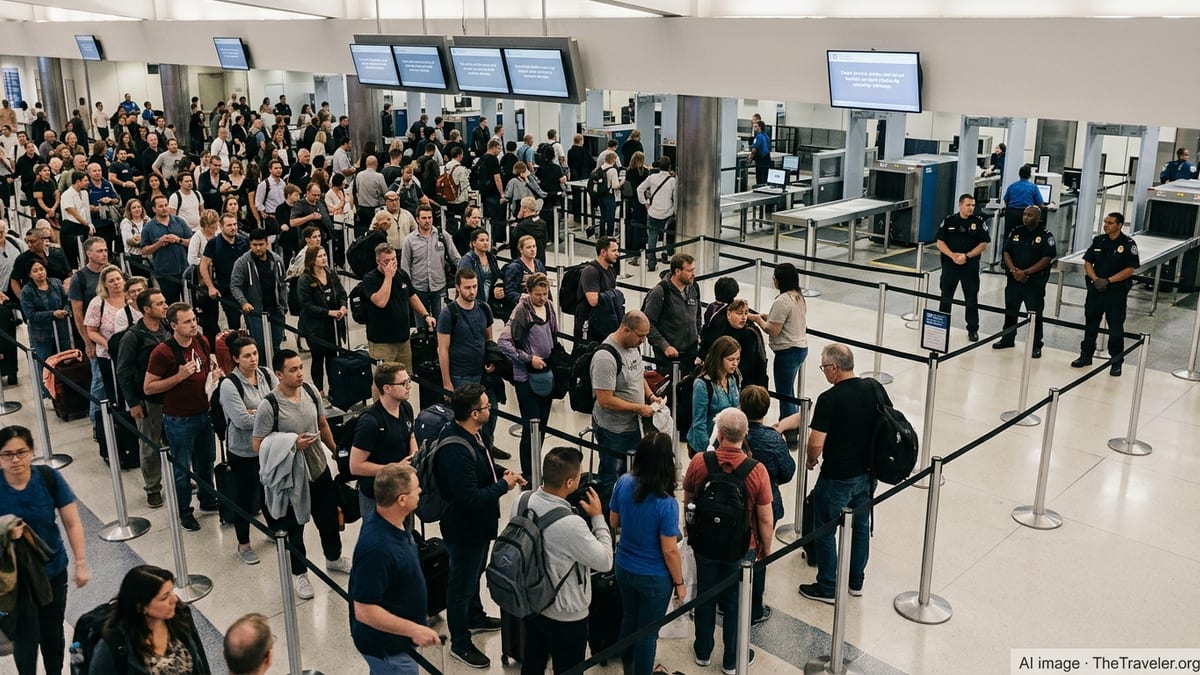
San Francisco Hub Hit By Wave of Long Delays
San Francisco International Airport, one of the country’s busiest international gateways, experienced a fresh wave of schedule disruptions that left passengers crowding departure halls and gate areas. Monitoring services that aggregate real time flight information indicated that seven flights were canceled and 123 were delayed, with many of the worst disruptions concentrated in the international terminal.
Publicly available information from flight tracking platforms shows that departures and arrivals were repeatedly pushed back by 30 minutes or more, with some long haul flights to and from Asia and Europe facing multi hour delays. The knock on effects were felt across the network, as late arriving aircraft and crews rippled into subsequent departures from San Francisco.
Recent coverage of operations at the airport has noted that San Francisco is particularly vulnerable to schedule disruptions when low clouds and shifting winds lead to federal ground delay programs that sharply limit arrivals and departures. On days when capacity is reduced, airlines are often forced to compress schedules or cancel selected flights, concentrating remaining aircraft on the highest demand routes.
Travel industry analysts point out that the pattern fits broader delay trends at the airport, which in recent federal consumer reports and independent data analyses has ranked among the more delay prone major hubs in the United States. Those reports highlight that San Francisco’s single runway operations in periods of poor visibility make it more susceptible to cascading delays than some other West Coast airports.
Major Carriers and Premium Routes Affected
The latest disruptions hit some of the most valuable long haul routes in the San Francisco market, including services to London, Frankfurt, Paris, Zurich, Tokyo, Beijing and Seoul. Schedules published by airlines and recent route coverage show that United, American, Delta and partner carriers collectively operate multiple daily flights to these destinations, making them central to transatlantic and transpacific connectivity for Bay Area travelers.
United Airlines, which carries the largest share of international passengers at San Francisco, operates year round services from the airport to London Heathrow, Frankfurt and Paris Charles de Gaulle, along with seasonal or shared services to Zurich and multiple Japanese airports. Delays on these routes can disrupt connections onward into Europe and Asia, particularly for passengers booked on tightly timed itineraries.
American Airlines and Delta Air Lines, while smaller than United at the airport, play a key role on certain transcontinental and connecting services that feed international departures. Publicly accessible timetable data shows these carriers operating key domestic trunk routes from San Francisco that connect passengers to onward international flights, meaning that prolonged delays or cancellations at the hub can cause missed connections further along the journey.
Hawaiian Airlines, which focuses heavily on links between the mainland and the islands, is also exposed when San Francisco schedules become compressed. Canceled or delayed departures to Honolulu and other Hawaiian destinations can strand passengers who had planned to connect to long haul flights through another Pacific hub or return from international trips via San Francisco.
Weather, Airspace Constraints and Network Strain
Recent reporting on San Francisco operations has emphasized the role of coastal weather patterns, particularly low marine clouds and shifting winds, in forcing regulators to slow the rate of arrivals and departures into the airport. When a ground delay program is in effect, the maximum number of aircraft that can land or take off each hour is reduced, obliging airlines to thin out their schedules or accept extensive late operations.
The current pattern of seven cancellations and 123 delays fits with this environment of constrained capacity and heavy demand. Industry observers note that San Francisco’s dense long haul schedule, particularly to Europe and Asia, leaves little slack in the system when conditions deteriorate. Aircraft arriving late from Asia or Europe must still pass through customs and immigration, be serviced and turned around, and then depart again, making on time performance difficult to sustain.
Operational data for recent days shows that some long haul flights into San Francisco have arrived significantly behind schedule, sometimes by several hours. Those late arrivals can force airlines to reshuffle aircraft assignments and crew pairings, occasionally leading to last minute cancellations when crew duty time limits or maintenance windows are reached.
Network wide pressures have added to the strain. Published consumer reports from federal transportation authorities indicate that airlines across the United States are managing high load factors, tight fleets and ongoing staffing challenges, which can turn a local weather or airspace constraint into a more widespread disruption. When a major hub like San Francisco slows down, the effects can quickly reach far flung destinations such as London, Frankfurt, Tokyo or Seoul.
Impact on Travelers and Limited Options for Rebooking
For travelers, the immediate consequence of San Francisco’s latest disruption is missed connections, extended airport waits and, in some cases, overnight stays. Passengers on long haul routes to Europe and Asia are particularly affected because many of these flights operate once per day, leaving limited same day alternatives when a departure is significantly delayed or canceled.
Published airline policies generally state that customers on canceled flights are entitled to rebooking on the next available service at no additional fare, or to a refund if they choose not to travel. However, on busy routes out of San Francisco in peak travel periods, the next available seat may be several days away, especially in premium cabins, leaving travelers to piece together alternative routings through other hubs or cities.
Industry guidance suggests that passengers whose flights are delayed or canceled should monitor flight status closely through airline websites or mobile applications, and consider proactively contacting customer service to explore rerouting via other gateways. For example, in the event of a disruption on a San Francisco to Europe flight, some travelers may be rebooked via other hubs such as Los Angeles, Denver, Dallas or Seattle, depending on airline alliances and seat availability.
Travel advocates also note that while federal rules require prompt refunds when flights are canceled and passengers choose not to travel, compensation for delays is more limited in the United States than in some other regions. As a result, affected passengers flying from San Francisco to destinations like London, Frankfurt or Paris may receive meal vouchers or hotel accommodations at an airline’s discretion, but are less likely to receive fixed cash compensation solely for arriving late.
San Francisco’s Role in Transpacific and Transatlantic Networks
The disruptions underline San Francisco’s central role in linking North America with Europe and Asia. Airport statistics and independent route analyses show that destinations such as London, Frankfurt, Paris, Tokyo and Seoul rank among the airport’s top international markets by passenger volume, with Beijing and other Chinese cities rapidly regaining capacity as travel restrictions ease.
United, American, Delta and Hawaiian leverage San Francisco’s geographic position on the Pacific Rim to connect travelers from across the western United States to these long haul routes. When operations at the airport slow, the effects can reverberate far beyond the Bay Area, affecting business travelers, tourists and visiting friends and relatives traffic on multiple continents.
Recent financial documents from the airport’s governing commission highlight a steady rebuilding of international capacity since the pandemic period, with particular growth on routes to China and other parts of East Asia. That recovery has made on time performance on long haul flights even more important, since many of these routes operate with high load factors and depend on tight connections.
As airlines and airport managers continue to navigate weather volatility, airspace constraints and strong demand, observers expect San Francisco International Airport to remain a focal point in national discussions about congestion and reliability. The latest tally of seven cancellations and 123 delays across major carriers provides a fresh illustration of how quickly conditions at a single hub can disrupt global travel plans.