


More news on this day
A major luxury cruise operator is eliminating 29 suites and reducing guest capacity across three ships as part of a refit program that prioritizes larger accommodations, higher onboard spending and a more exclusive experience over maximizing passenger numbers.
Get the latest news straight to your inbox!
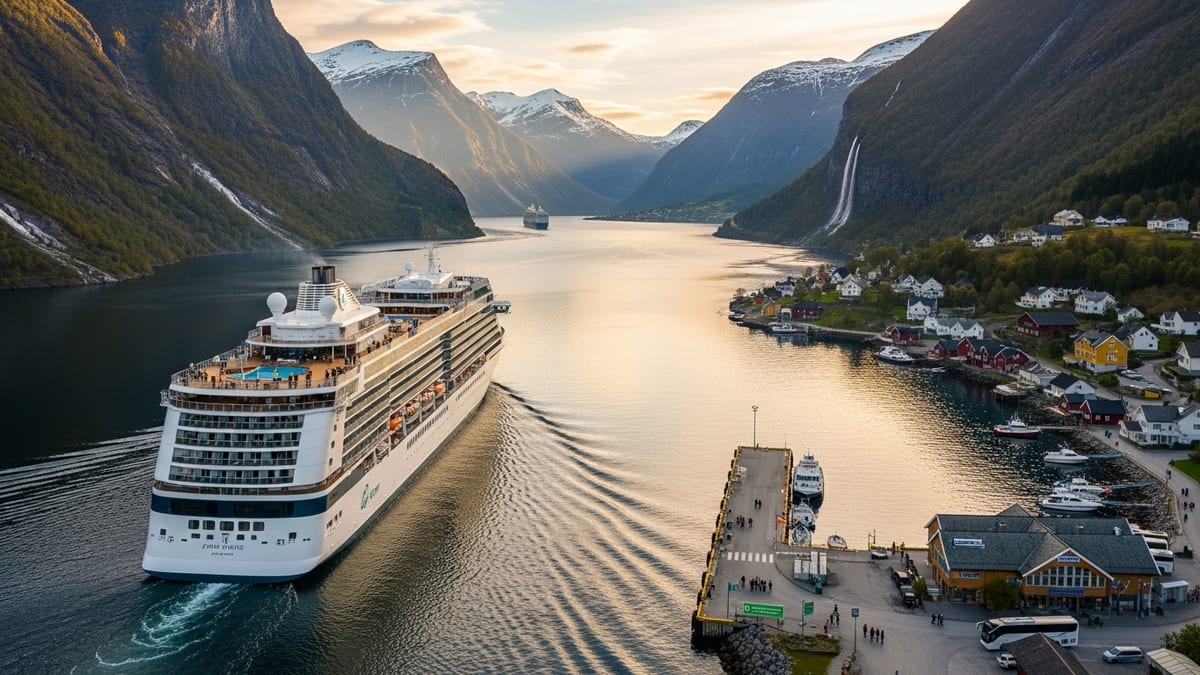
Refit Plan Targets Fewer, Larger Suites
Publicly available information indicates that the cruise line is reshaping its accommodation mix by removing 29 existing suites on three vessels and converting the space into fewer, larger suites and expanded public areas. While the overall number of cabins will fall, the new configuration is expected to offer more square footage per guest and upgraded amenities aimed at the high-end market.
The decision aligns with a move across the premium and luxury segments to reduce density and focus on suite products that command higher fares. Industry coverage of recent refurbishments at lines such as Crystal and Seabourn shows similar strategies, with ships returning to service featuring enlarged suites and reduced double-occupancy capacity after dry docks.
Although detailed deck plans for the affected ships have not yet been fully published, reports suggest that some smaller suites will be merged, while other spaces currently used for accommodation will be reclaimed for lounges, restaurants or wellness facilities. The net effect is a modest drop in headcount on each sailing, but a more spacious layout that operators hope will appeal to guests seeking a boutique-style atmosphere.
Analysts note that the immediate loss of sellable inventory can be offset by higher pricing for the new, larger suites. In practice, a ship can sail with fewer passengers while generating similar or greater revenue per voyage, provided that demand for the upgraded categories remains strong.
Three-Ship Program Reflects Wider Capacity Strategy
The changes are concentrated on three sister ships in the line’s fleet, reflecting the industry trend of treating near-identical vessels as a class-wide platform for upgrades. By rolling out the new suite concept across multiple ships, the brand can standardize its top-tier offering and marketing while controlling refurbishment costs.
Comparable examples have appeared in other parts of the sector. Carnival Corporation brands and Norwegian Cruise Line Holdings, for instance, have described in recent corporate updates how they are tailoring capacity by ship class, adding or reconfiguring suites on some vessels while trimming overall berths on others to match evolving demand patterns. In several cases, planned guest counts have been reduced even as hardware investments grow.
According to trade-press reporting, the three-ship refit program is scheduled to be staged over multiple dry dock periods so that only one vessel is out of service at any given time. This approach allows the company to maintain a presence in key regions while still executing substantial structural work on each hull.
The brand is expected to use the updated ships to anchor its premium itineraries, positioning them on longer voyages and high-yield routes where suite demand is strongest. This could include extended sailings in Europe, repositioning voyages and select expedition-style deployments, depending on how the final onboard product is framed.
Guest Experience: More Space, Fewer Neighbors
For travelers, the most immediate change will be a noticeable drop in fellow guests. Reducing capacity by dozens of suites across three ships translates to fewer passengers on sea days, shorter waits for restaurants and entertainment, and potentially less crowding on pool decks and at tender ports.
Existing suites slated to remain in service are expected to benefit from the reallocation of space. Industry refit case studies show that when lines remove cabins, they often use the freed area to widen corridors, increase storage and add dedicated concierge or lounge zones for suite guests. Many operators have also been investing in larger balconies, private whirlpools and improved soundproofing to emphasize privacy and comfort.
The trade-off, however, is that the new suite layout may come with higher average fares. With fewer keys to sell and more square footage per guest, pricing typically rises. Published coverage of recent luxury-ship refurbishments indicates that upgraded suite categories can carry a premium over prior configurations, particularly on peak-season sailings and bucket-list itineraries.
Despite higher prices, the market for space and exclusivity at sea appears resilient. Cruise lines report that top-end accommodations, from owner’s suites to ship-within-a-ship enclaves, often sell out first, suggesting that demand for more room and personalized service remains robust even when shipwide capacity is trimmed.
Financial and Operational Rationale Behind Capacity Cuts
On the financial side, capacity reductions of this scale are relatively modest compared with full-ship retirements or class-wide downsizing. However, they can significantly alter revenue composition. Fewer guests mean lower variable costs linked to provisioning and hotel operations, while a higher concentration of suite passengers typically brings greater onboard spending per person.
Industry financial filings over recent years have emphasized a pivot toward yields rather than headline occupancy figures. Several large groups have highlighted strategies to remove less efficient tonnage, reallocate cabins to higher-value categories and rely on pricing power instead of simply adding berths. The 29-suite cut across three ships fits into that narrative, signaling a belief that profitability will improve with a leaner, more upmarket footprint.
Operationally, a reduced guest count can simplify logistics, from embarkation to shore excursion management. It can also support environmental objectives. With fewer passengers aboard, operators can adjust loading, hotel services and even itinerary design in ways that contribute to lower emissions per guest, a growing point of focus in sustainability reporting across the sector.
Some analysts caution that lower capacity leaves less flexibility during periods of surging demand, such as holiday seasons or when competing lines redeploy ships away from certain regions. In those environments, a smaller inventory of suites can constrain growth, especially if refits make future reconversion back to higher density impractical.
What the Shift Signals for Cruise Design Trends
The decision to eliminate 29 suites and reduce capacity on three ships is being interpreted by industry observers as another sign that cruise design is moving toward higher-spend, lower-density concepts, particularly at the upper end of the market. Newbuild orders from major groups show a similar emphasis, with fresh designs often favoring larger staterooms, more suite categories and expanded public spaces over sheer berth count.
Recent announcements from brands tied to large cruise conglomerates point to a future in which fleets combine very large resort-style ships with smaller or refitted vessels that deliver a more intimate feel. In that context, cutting suites and guest numbers on select ships can help position those vessels as a contrasting, boutique option within a broader portfolio.
For travelers, the practical outcome is a growing spread between entry-level cabins on mass-market megaships and the increasingly spacious suites on luxury and premium vessels. As lines eliminate some suites to build larger, more elaborate ones, the gap in both experience and pricing is likely to widen, giving cruisers more sharply defined choices when planning their next voyage.
How quickly other operators follow with similar capacity trims remains to be seen, but current refurbishment and newbuild plans across multiple brands suggest that the industry is prepared to sacrifice some berth numbers in exchange for higher yields and a more upscale onboard product on key ships.