


More news on this day
Passengers traveling through Lubbock Preston Smith International Airport on June 7 are facing a fresh round of disruptions, with publicly available flight tracking data indicating three cancellations and 11 delayed departures or arrivals affecting Envoy Air, SkyWest and Southwest services across key domestic routes.
Get the latest news straight to your inbox!
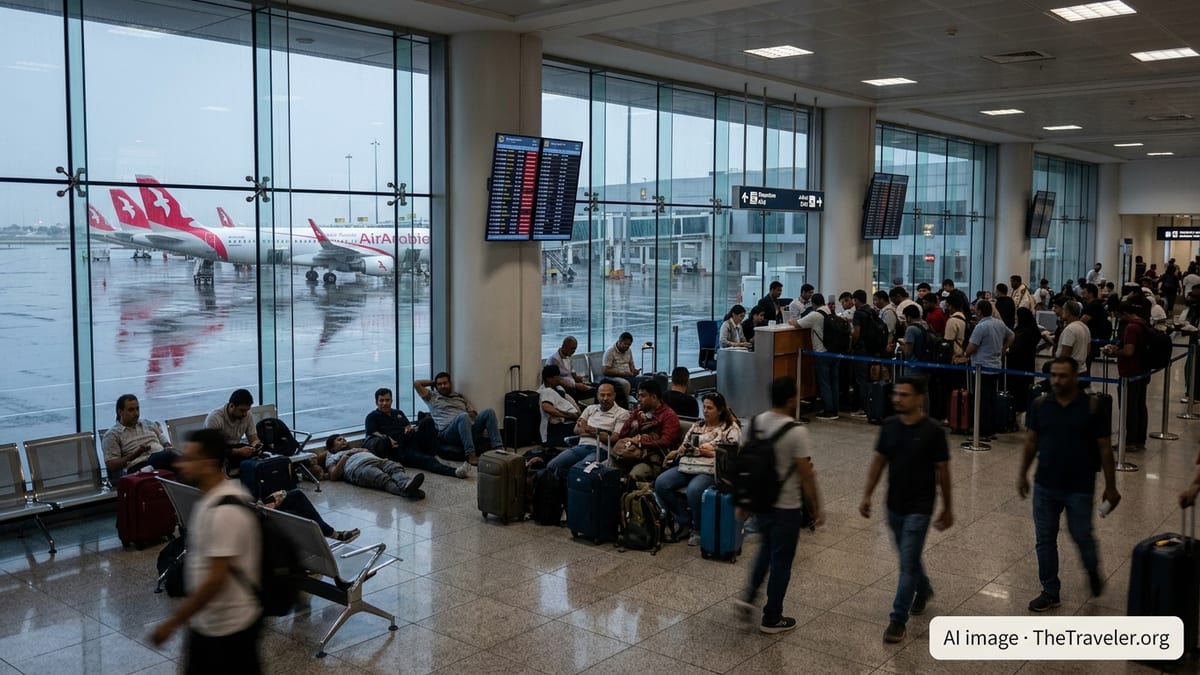
Regional Hub Disruptions Reach Lubbock
Data from airline trackers and airport status boards on June 7 point to a cluster of problems on routes linking Lubbock with major Texas hubs, particularly Dallas Fort Worth International Airport and Dallas Love Field. Envoy Air and SkyWest, which operate regional flights under major carrier brands, appear prominently among the affected services, alongside multiple Southwest Airlines departures and arrivals.
Although federal airspace monitoring tools list Lubbock as operating without a formal ground delay program, broader conditions in the South Central region show intermittent constraints at larger hub airports. When schedules at Dallas Fort Worth or Dallas Love Field become compressed by weather or traffic management actions, smaller markets such as Lubbock often see secondary impacts in the form of rolling delays and tactical cancellations.
Published information for June 7 shows several turn-around flights between Lubbock and Dallas operating behind schedule, along with at least one regional service scrubbed entirely as operators adjust fleets and crews. These disruptions contribute to the tally of three cancellations and more than ten delayed legs touching Lubbock, even as the airport’s own runway operations remain largely unrestricted.
The pattern is consistent with previous episodes where pressure at major hubs cascaded across regional networks. Industry data compiled by transportation regulators shows that regional carriers such as Envoy Air and SkyWest routinely experience a portion of their schedule impacted by late-arriving aircraft and national airspace bottlenecks, magnifying the effect of any localized issue at a major connecting airport.
Dallas, Austin and Easterwood Routes Among the Worst Hit
The bulk of the delays at Lubbock on June 7 are clustered around core Texas links, notably Dallas Fort Worth, Dallas Love Field, Austin Bergstrom and Easterwood Airport in College Station. Flight-status feeds indicate that several Lubbock to Dallas and Lubbock to Austin rotations have departed later than planned, some by more than an hour, as inbound aircraft and crews arrive late from earlier segments.
For Southwest Airlines, which connects Lubbock to Dallas Love Field and Austin with multiple daily frequencies, any disruption early in the day can snowball. A late-arriving aircraft from another city can translate into downstream schedule changes across the Texas network, leaving Lubbock-bound passengers waiting at outstations and in terminal gate areas while new departure times are posted.
Regional services operated by Envoy Air and SkyWest appear to be contending with similar pressures. These carriers typically operate tightly scheduled aircraft that cycle through several short segments per day. When a line of storms or a traffic-management program slows operations at a hub like Dallas Fort Worth, subsequent legs to smaller destinations such as Lubbock, Easterwood and other regional fields are often rescheduled or, in more constrained circumstances, canceled.
Reports from national flight-tracking platforms on June 7 also highlight knock-on effects for passengers connecting through Lubbock to other US destinations. With late inbound aircraft from Dallas and Austin markets, travelers relying on short connection windows are being rebooked onto later flights, extending travel days and, in some cases, pushing arrivals into the following morning at their final destinations.
Weather and Crew Positioning Complicate Summer Schedules
While no single cause explains every delay, a combination of seasonal thunderstorms, crew-duty limits and heavy summer bookings is contributing to the operational strain evident in June’s first week. Publicly available discussions among travelers point to convective weather near Dallas Fort Worth on June 7, with storms moving across North Texas and prompting ground stops and airborne holding that ripple through airline schedules.
In this environment, carriers such as Envoy Air and SkyWest must balance safety protocols, crew duty-time regulations and aircraft availability. When a flight is held on the ground or in the air for an extended period due to storms or air-traffic flow restrictions, crews can reach the end of their legally permitted duty periods sooner than anticipated. That can force airlines to cancel a planned later leg or substantially delay its departure while replacement crews are positioned.
Southwest faces similar challenges, particularly because of its point-to-point model that relies on aircraft cycling through multiple cities per day. Travel-advice material from carrier-focused guides stresses that delays in one part of the network can propagate quickly, particularly during the peak summer travel period when spare aircraft and crews are limited. Passengers on June 7 experiencing delays in Lubbock are encountering that dynamic firsthand, with one off-schedule flight often affecting several subsequent departures.
Historical performance statistics compiled by federal transportation authorities illustrate that all three carriers involved in Lubbock’s current disruptions have a small but persistent share of their schedules affected by weather, national airspace constraints, carrier-related issues and late-arriving aircraft. On a busy day with unsettled weather across multiple regions, those percentages translate into hundreds of delayed or canceled flights nationwide, with smaller airports absorbing a disproportionate share of schedule adjustments.
Impact on Travelers and What Passengers Can Do
For travelers passing through Lubbock on June 7, the practical consequence of three cancellations and 11 delayed flights is a mix of missed connections, extended layovers and itinerary changes that can alter both business and leisure plans. At a regional airport with a relatively limited number of daily departures, the loss of just a few flights constrains options for same-day rebooking, forcing some passengers to wait for the next morning’s schedule.
Consumer guidance issued by aviation and travel resources emphasizes the importance of monitoring flight status through airline apps or airport displays, especially when connecting through weather-prone hubs such as Dallas or Houston during summer months. With Lubbock’s June 7 disruptions tied closely to performance at larger airports, checking the status of inbound aircraft and watching for early signs of cascading delays can give travelers more time to adjust ground transport, lodging and meeting plans.
Passengers whose flights are canceled or significantly delayed may be eligible for accommodations, meal vouchers or rebooking on alternative services, depending on airline policies and the underlying cause of the disruption. While weather-related issues typically limit compensation, carrier-caused delays such as mechanical problems or crew mispositioning sometimes trigger additional support, and travelers are encouraged by consumer advocates to review each airline’s customer-service plan.
At Lubbock Preston Smith International Airport, the June 7 disruptions underscore the vulnerabilities of regional air service in a tightly interconnected national network. Even when local weather is favorable and airport infrastructure remains fully available, conditions hundreds of miles away at major hubs can determine whether flights depart on time. For passengers who must rely on these links to access the broader US air system, today’s cancellations and delays serve as a reminder to build flexibility into travel plans and to anticipate occasional schedule turbulence during the peak summer season.