


More news on this day
A WestJet passenger and his family are stranded in St. Maarten after disruption to their Toronto-bound journey, according to social media posts and online accounts that describe growing frustration among Canadian travelers caught in a tangle of delays, cancellations and scarce rebooking options during the busy winter travel period.
Get the latest news straight to your inbox!
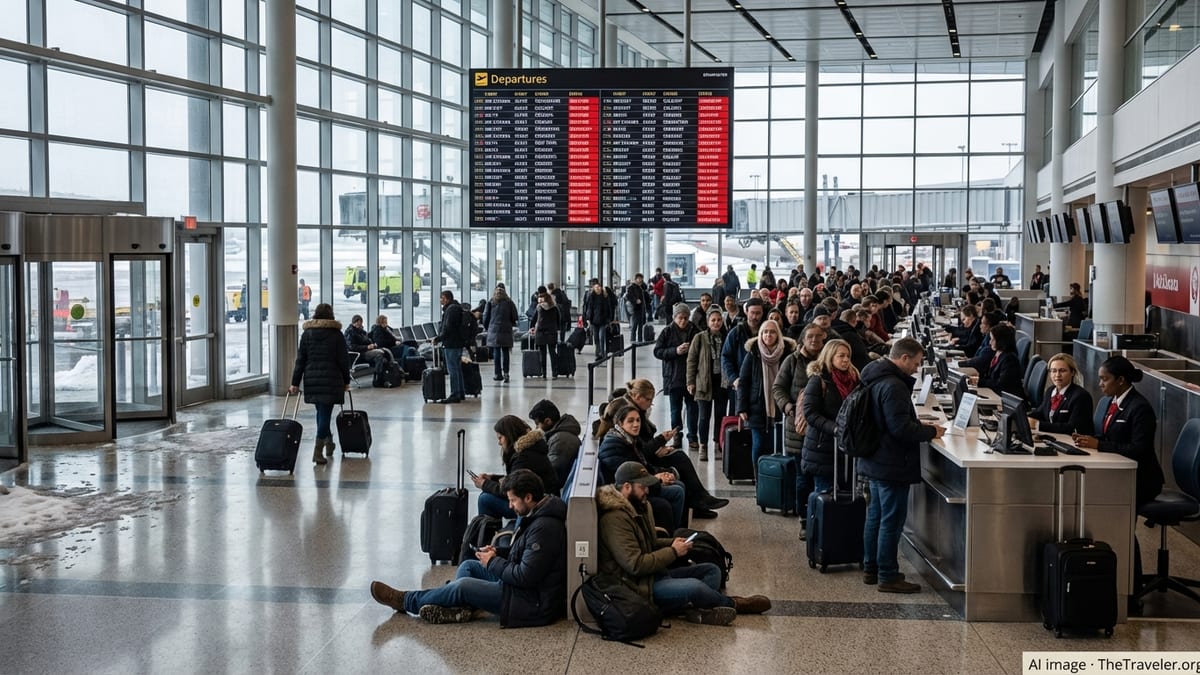
Family among travelers stuck after WestJet service disruption
Public posts on social platforms and travel forums describe a WestJet customer vacationing in St. Maarten with his family who has been unable to secure timely transportation back to Toronto. The family was reportedly scheduled to fly from Princess Juliana International Airport to Toronto Pearson International Airport but encountered a cancellation and subsequent uncertainty about when they would be able to depart.
Accounts shared online indicate the family is one of several passengers left in limbo after issues affecting the WestJet route between St. Maarten and Toronto. Travelers describe waiting for updated itineraries, sifting through limited alternative flights and, in some cases, weighing whether to purchase new tickets on other carriers at significant additional cost.
While full details of the specific disruption remain limited, the situation reflects broader challenges reported this season by WestJet customers traveling between Caribbean destinations and Canadian hubs. Travelers have described long waits for rebooking information and concern about running out of vacation days, prescription medication or budget while stranded abroad.
According to published coverage of WestJet operations, the airline serves St. Maarten primarily as a leisure destination, with a relatively small number of weekly flights compared with larger Caribbean gateways. When a single rotation is cancelled, options for re-accommodation can be constrained, especially during peak demand periods when seats on other carriers are already scarce.
Limited rebooking options from St. Maarten to Toronto
Passengers currently in St. Maarten and trying to reach Toronto face a tight market for last minute flights. Travel industry data and published fare listings show that nonstop services on the route are mainly offered by Canadian leisure airlines, with schedules heavily concentrated on certain weekdays and seasons. When a disruption occurs close to the original departure date, rebooking onto the next available direct service may not be possible for several days.
Travel forums and consumer posts suggest that some stranded passengers have been presented with itineraries involving one or two connections through major hubs such as Montreal, Ottawa or various U.S. gateways. These routings can significantly lengthen total travel time and may require additional documentation or transit approvals, particularly for travelers who would need visas for transiting through the United States.
In similar recent cases affecting Canadian travelers in sun destinations, passengers have reported that alternative flights on other airlines can cost several hundred to several thousand dollars per person at short notice. Some travelers have described paying out of pocket to secure seats home sooner, while later seeking reimbursement or compensation where applicable under Canadian air passenger protection rules.
For the WestJet family in St. Maarten, online comments indicate they are weighing whether to wait for a confirmed rescue or replacement flight from the airline or to purchase tickets on a competing carrier in order to return to work and school on time in Toronto. The decision is complicated by the uncertainty around how long the disruption will last and what portion of any extra costs might be recoverable.
Canadian air passenger rules shape options for stranded families
The situation is unfolding against the backdrop of Canada’s Air Passenger Protection Regulations, which set out minimum standards of treatment and, in some cases, compensation when flights are delayed or cancelled. Publicly available regulatory guidance explains that airlines operating to and from Canada must provide standards of care such as food and accommodation during extended delays, depending on the cause of the disruption and how long passengers are forced to wait.
These rules distinguish between situations within an airline’s control, such as certain operational or scheduling decisions, and those outside its control, including severe weather or air traffic control restrictions. The level of compensation or obligation to arrange rebooking can vary accordingly. Legal commentators note that disputes frequently arise over how to classify a particular cancellation and whether an airline has done enough to reroute passengers as soon as possible on its own services or on partner carriers.
Consumer advocates point out that leisure travelers returning from destinations such as St. Maarten are especially vulnerable when there are few competing flights. If a carrier’s next available seat is several days away, families can incur significant hotel, meal and incidental expenses while they wait. Some travelers purchase separate trip interruption insurance to help cover these costs, but coverage terms differ widely and may not apply in every situation.
For the WestJet customer in St. Maarten, the degree of protection will depend on the documented reason for the flight disruption, the timing of any rebooking offer, and whether the family chooses to accept or reject proposed alternatives. Publicly available information about similar incidents suggests that passengers typically must keep receipts for extra expenses and file formal claims with the airline or their insurer after they eventually return home.
Operational strains and high demand intensify winter travel risks
Published reports on Canadian aviation trends note that winter remains one of the most challenging seasons for carriers serving sun destinations. Popular routes from Toronto to the Caribbean often operate at high load factors, leaving little spare capacity when a single aircraft is removed from service due to maintenance, crew availability or weather related knock on effects elsewhere in the network.
In recent years, travelers have shared multiple accounts of multi day delays on Canadian airlines returning from Mexico and the Caribbean, with some describing repeated rolling departure times and limited direct communication at crowded airports. While each incident has its own specific causes, analysts say the combined effect of tight scheduling, strong demand and limited backup aircraft can quickly cascade into widespread disruption for hundreds of passengers.
St. Maarten’s Princess Juliana International Airport, which serves as the primary gateway for the island, also has physical and operational constraints that can affect flights. The single main runway and challenging approaches in variable weather require careful planning by airlines and air traffic authorities. When a disruption involves an aircraft or flight on this route, the process of sending a replacement aircraft or reorganizing schedules can be more complex than at larger hub airports.
For families like the WestJet passenger’s group now stuck on the island, those operational realities translate into difficult day to day decisions about extending hotel stays, adjusting work commitments back in Canada and managing the emotional strain of uncertainty. Travel advisers recommend that affected passengers maintain regular contact through the airline’s official channels and monitor airport departure boards, while also exploring realistic backup options if budgets and travel documents allow.
Travelers urged to plan buffers and understand rights
The experience of the WestJet family in St. Maarten adds to a growing body of anecdotal evidence that Canadian travelers face heightened risks of disruption when relying on a single return flight from a niche leisure destination. Industry observers suggest that passengers build generous time buffers into their plans, particularly when connecting onward from Toronto to other Canadian or international flights, or when they must be home by a fixed date for work or school.
Consumer information sites advise travelers to review airline terms and conditions, understand the basics of the Air Passenger Protection Regulations and consider supplemental insurance that includes trip interruption coverage. They also recommend retaining all boarding passes, correspondence and receipts to support any later claims for reimbursement or compensation.
For now, publicly visible posts suggest that the WestJet passenger and his family in St. Maarten continue to search for a reliable route home to Toronto. Their situation reflects the broader volatility in winter air travel and the complex choices facing stranded customers as they navigate airline policies, regulatory protections and their own financial limits.