


February in Europe rewards travelers who plan around weather, daylight and local events rather than chasing an unrealistic idea of winter sun. For February 2027, non‑skiers can choose between genuinely mild Atlantic islands, cool but bright southern city breaks, and colder central or northern capitals that trade warmth for culture and winter atmosphere. This guide compares key destinations on climate averages, events, transport and real‑world costs so you can match your expectations to what Europe actually feels like in mid‑winter.
Get the latest updates straight to your inbox!
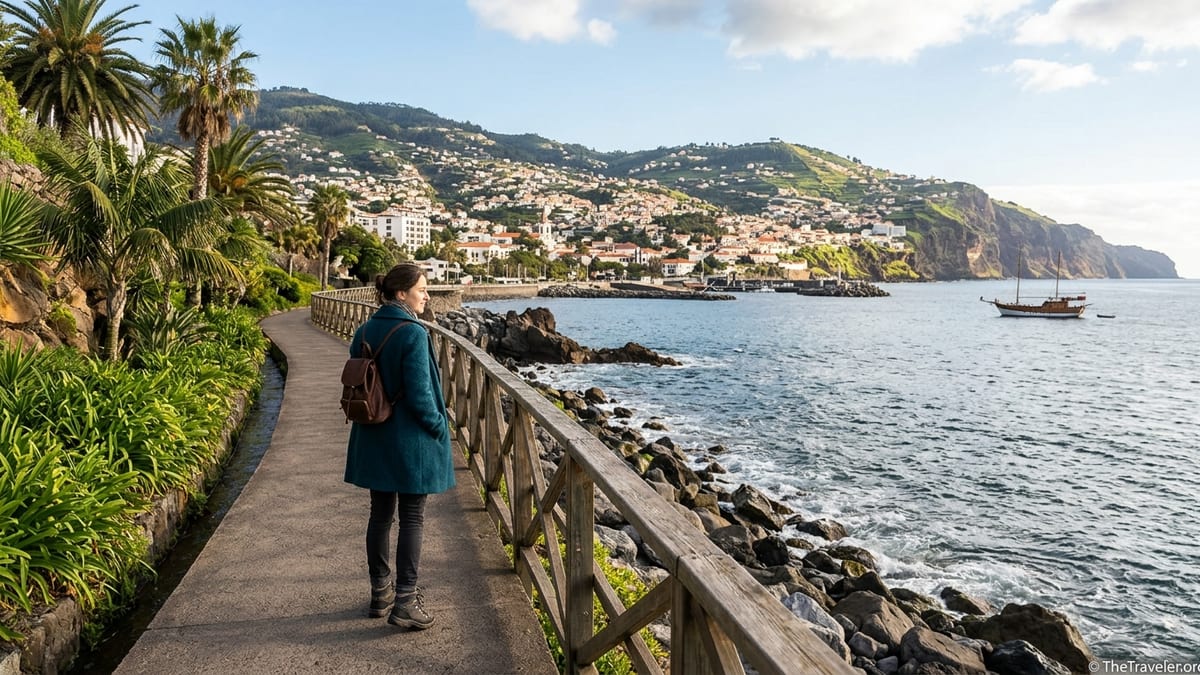
First choose your February style: winter sun, classic city, or scenic cold
The clearest decision is whether you want to feel genuinely warm, simply avoid deep winter, or lean into crisp air and wintry streets. In February 2027, the closest Europe gets to short‑haul “winter sun” is the Canary Islands and Madeira. Around south Tenerife and Gran Canaria, long‑term climate data shows average daytime highs around 21–22 °C, nights about 14–15 °C, very little rain and roughly 7 hours of sunshine a day in February, with sea temperatures near 19–20 °C. That is comfortable in a T‑shirt at lunchtime, but evenings still need a layer and the ocean feels cool rather than bath‑warm.
A second tier of destinations, including Málaga, Seville, Valencia, Lisbon, Malta, Cyprus, Rome and Athens, generally sit in the mid‑teens Celsius in the daytime in February, with cooler nights and a real chance of Atlantic or Mediterranean rain. Historical figures for Lisbon, for example, show average highs around 16 °C and lows just above 9 °C with measurable rain on several days in the month and Atlantic breezes that can feel brisk on the riverfront. Sea temperatures off Portugal are around 15 °C in February, so these are pleasant “coat‑off at lunchtime” cities, not reliable beach destinations.
A third style involves accepting cold weather in exchange for culture, coffeehouse time and winter scenery. Cities such as Budapest, Vienna and northern capitals like Copenhagen or Stockholm often see daytime highs close to 3–8 °C, frequent frost and short days. In return, you get quiet museums, hot thermal baths on misty days in Budapest, and atmospheric evenings in historic centers without peak‑season crowds. For many non‑skiers, this can be more satisfying than chasing sunshine that never really materializes.
Because February 2027 also brings major events like Venice Carnival from January 23 to February 9, your first decision should be style: island warmth, soft southern winter, or crisp cultural break. From that, you can fine‑tune destinations according to budgets, flight access and your tolerance for rain, cool seas and early sunsets.
Weather reality by destination: averages, seas and daylight
The Canary Islands stand out for stability. South Tenerife climate normals from the Spanish meteorological service give February daytime highs close to 22 °C and lows around 15 °C with only two or three rainy days and almost summer‑like sunshine hours. Nearby Gran Canaria and Lanzarote are similar, with the main difference being wind exposure on some coasts. Sea temperatures in the region typically hover close to 19–20 °C in February, which most healthy adults find swimmable, especially in sheltered southern resorts.
Madeira, sitting in the Atlantic off Morocco, tends to be a little cooler and more humid. Funchal averages around 19 °C by day and 14 °C at night in February, with passing showers that keep the island intensely green. The sea is usually near 18–19 °C. You can comfortably hike levada trails in light layers, but cloud and drizzle are common, so it is not a guaranteed sun‑lounger break. On both the Canary Islands and Madeira, daylight in mid‑February runs from roughly 7:30 in the morning to just before 7 in the evening.
On the Iberian mainland and central Mediterranean, February is cooler and more changeable. In Lisbon the historical February high of about 16 °C and low near 9 °C comes with around 8 rainy days and over 170 hours of sunshine in the month, while sea temperatures around 15 °C feel cold to swim in. Málaga averages roughly 17–18 °C by day and 8–9 °C at night, Valencia similar but with more variability and cooler water on the open Mediterranean. Seville is slightly warmer inland by day, often touching 18–19 °C, but nights fall toward 7 °C and fog or rain can arrive in Atlantic fronts.
Farther east, Rome and Athens sit in a comparable band. Typical February highs are around 13–15 °C with nights close to 5–7 °C, and both cities can experience several rainy days in the month. Sea temperatures in the central and eastern Mediterranean often sit in the mid‑teens Celsius, so dipping a toe is refreshing rather than relaxing. Budapest and Vienna, in contrast, are properly wintry: long‑term averages for February put highs near 4–7 °C and lows around or below freezing, with a mix of cloudy days, occasional snow and around 10 hours of daylight from mid‑morning to late afternoon.
Events and winter festivals: Venice Carnival and beyond
Venice Carnival dominates the European event calendar in early 2027. Official communications and specialist carnival calendars align on dates from Saturday January 23 to Tuesday February 9, 2027, with the most intense program running from around Thursday February 4 through Shrove Tuesday on February 9. During those final days, Venice fills with costumed visitors, ticketed masquerade balls in historic palaces, water parades on the Grand Canal and nightly performances in venues like the Arsenale and San Marco area.
This concentrated demand significantly impacts prices and availability. Recent market data for Venice hotels shows an annual average nightly rate above 250 US dollars, with typical February nights in non‑carnival years closer to 200 dollars. During carnival weekends in recent seasons, many three‑star hotels around San Marco and Rialto have asked 350 to 450 dollars per night for standard doubles, while canal‑view or boutique properties can exceed 500 dollars. For February 2027, travelers should expect similar or higher levels, especially from Thursday February 4 to Tuesday February 9, and limited availability if they book less than three to four months ahead.
Elsewhere in Europe, February festivals are more moderate in impact but still worth factoring in. Many Portuguese and Spanish cities hold their own carnival processions on the weekend before Shrove Tuesday. Madeira’s carnival in Funchal normally brings one main samba‑style parade and a children’s procession, boosting hotel demand for a few nights but not to Venice levels. The Canary Islands host major carnivals in Santa Cruz de Tenerife and Las Palmas that can be large enough to fill central hotels and shift nightlife to street parties, though resort areas like Costa Adeje or Maspalomas may only feel a mild uptick in crowds.
Smaller events, such as classical music festivals in Vienna or Budapest’s winter cultural programs, mainly influence the kind of crowd rather than raw numbers. They can, however, affect ticket availability for specific venues and slightly lift weekend hotel prices. When planning February 2027 trips, it is wise to check whether local carnival dates, school holidays in your origin country, or flagship concerts fall on your travel days and to assume that Friday and Saturday nights will always command a premium over midweek stays.
What is open in February: tours, coastlines and museums
One of the biggest mistakes February travelers make is assuming that summer infrastructure still runs at full speed. In the Canary Islands and Madeira, most tourism facilities stay open year‑round, but operations adapt to winter demand and sea conditions. Coastal boat tours and whale‑watching around Tenerife or Gran Canaria usually sail in February, yet strong Atlantic swells can lead to cancellations, especially for smaller craft or trips to outlying islands. Coastal restaurants in large resorts such as Playa de las Américas or Puerto del Carmen trade through winter, but on quieter stretches of coast some family‑run places shut mid‑week or close entirely until Easter.
On the Iberian mainland, large museums, palaces and indoor attractions in cities like Lisbon, Málaga, Seville, Valencia, Rome, Athens, Vienna and Budapest are fully open and often more pleasant to visit than in summer. The Alhambra at Granada, easily reached from Málaga or Seville, limits daily entrances by timed ticket all year, and in February you are more likely to secure last‑minute slots. Coastal promenades and urban beaches are walkable and lively on sunny days, but seasonal kiosks and some beachfront bars stay closed until later in spring.
Hiking infrastructure is more nuanced. Madeira’s popular levada trails and many Canary Island routes are walkable in February, but sections at higher altitude can be affected by cloud, wind or occasional snow on peaks like Mount Teide. Public buses to remote trailheads may run to winter timetables with fewer departures, so you may need to rent a car or book organized transfers. In northern and central cities, ferry and sightseeing boat schedules on rivers like the Danube are often reduced to weekend‑only sailings or a few core trips per day, while outdoor attractions such as city zoos or gardens shorten opening hours to match daylight.
The good news is that indoor culture works in your favor. Major art museums in Rome, Athens, Vienna and Budapest operate winter hours but rarely close completely, and off‑season means easier entry to headline sites: the Vatican Museums, the Acropolis Museum or Vienna’s Schönbrunn Palace are all markedly less congested in February than in May or September. For non‑skiers seeking substance rather than sunbathing, this can be the best time to explore heavyweight European culture without queues in the rain or heat.
Getting there and around: flights, transfers and public transport
By February, European flight schedules operate on their winter patterns, with fewer frequencies than summer but often lower base fares. Major hubs like London, Paris, Frankfurt and Amsterdam maintain daily or multiple‑daily services to Lisbon, Málaga, Rome, Vienna and Budapest, plus regular flights to Madeira and the Canary Islands. Low‑cost carriers from northern Europe often run at least weekly services to Tenerife, Gran Canaria, Lanzarote, Malta and Cyprus, which can produce attractive fares if you avoid school‑holiday weeks and carnival peaks.
Recent searches for February 2026 as a proxy for 2027 show that midweek return flights from London or Frankfurt to Lisbon, Málaga or Rome can fall in the 120 to 220 US dollar range on low‑cost or economy carriers, while flights to the Canary Islands or Madeira typically price higher, often between 200 and 350 dollars return, reflecting longer distances and leisure demand. From central European hubs to Vienna or Budapest, short‑haul returns can drop well below 150 dollars outside of school holidays. For February 2027, similar relative differences are likely, though overall prices may adjust with fuel and demand.
Local airport transfers are generally straightforward. Lisbon, Rome, Vienna and Budapest have metro or rail links to the city center, usually costing under 10 dollars per person and taking 20 to 40 minutes. Málaga Airport connects to the city center and coastal towns like Torremolinos and Fuengirola by commuter rail. In Seville and Valencia, airport buses or trams bridge the gap in under 30 minutes. On Madeira and the Canary Islands, you will usually rely on airport buses to main resorts or pre‑booked transfers, with one‑way fares around 5 to 15 dollars per person on scheduled buses and considerably higher for private cars or taxis, especially to outlying rural stays.
Within cities, public transport is broadly reliable but adapted to off‑season. Metros and trams in Lisbon, Rome, Vienna and Budapest run full schedules in February, though late‑night frequencies can thin out, especially on Sundays. Intercity trains and coaches operate year‑round; however, some scenic regional routes, such as narrow‑gauge lines into mountain areas, may be on winter timetables with limited departures. In Venice during Carnival, vaporetti and water buses remain the backbone of public transport, but heavy crowds at Rialto and San Marco piers can slow boarding and occasionally push services to capacity at peak times, leading to longer waits.
Costs and comparison table: budgets, crowds and traveler types
Accommodation pricing in February reflects a balance between winter low season and spikes from major events and school holidays. Aggregated hotel market data for early 2026 suggests average mid‑range nightly rates around 140 US dollars in Budapest, just over 140 dollars in Lisbon, roughly 120 to 130 dollars in Vienna in February, and significantly higher averages in Rome and Venice, where broad citywide signals around or above 200 euros per night are common. Southern Spanish cities such as Málaga, Seville and Valencia often undercut Italy and Portugal, with many pleasant three‑star hotels found between 80 and 130 dollars per night outside special events.
In practical terms, a realistic daily budget for a mid‑range traveler, excluding flights, might cluster as follows for February 2027: in Budapest and Vienna, 120 to 180 dollars per person per day including a central hotel, public transport, museum entries and restaurant meals; in Lisbon, Málaga, Seville and Valencia, around 130 to 190 dollars; in Rome and Athens, perhaps 150 to 210 dollars due to higher accommodation and ticket prices; and in Venice, especially during Carnival, 200 dollars per person per day or more once you add premium hotel rates and event tickets. Winter‑sun islands often sit between city and resort pricing: Tenerife, Gran Canaria and Madeira can feel affordable in local restaurants but reach 160 to 220 dollars per person per day when you factor in resort hotels, car rental and excursions.
Summarizing key differences, a comparison for February looks like this in broad strokes. For weather, the Canary Islands and Madeira offer the mildest conditions, with daytime highs around 19–22 °C; Iberian and Mediterranean cities such as Lisbon, Málaga, Seville, Valencia, Rome and Athens average 13–18 °C with a real chance of rain; Malta and Cyprus trend similar or slightly milder but remain far from beach‑holiday standards. Budapest, Vienna and northern cities sit much colder, with highs closer to 3–8 °C. In terms of crowds, Venice during Carnival, Rome around weekends, and the main Canary Island resorts see the highest concentration of visitors, while Lisbon, Málaga, Seville, Valencia and Budapest feel pleasantly busy but not overwhelmed, especially midweek.
Ideal traveler types also diverge. Canary Islands and Madeira suit couples and families seeking warmth without intercontinental flights, content with pool time, coastal walks and day trips rather than guaranteed swimming. Southern city breaks in Portugal, Spain, Italy and Greece are strong for food lovers, culture fans and solo travelers who prefer café life and museums over beaches. Budapest and Vienna cater well to culture seekers, classical music enthusiasts and spa fans happy to walk in the cold between galleries and concert halls. Carnival chasers and photographers who prioritize spectacle over comfort may accept Venice’s February chill and crowds to witness one of Europe’s most distinctive events.
Three realistic February 2027 scenarios
For a budget three‑night city break, consider Budapest, Vienna or Valencia outside local holidays. Looking at current February data as a guide, you might find basic but central double rooms in Budapest from around 70 to 100 dollars per night. Add roughly 20 to 30 dollars per day for public transport and attractions and 30 to 40 dollars for simple restaurant meals and café stops, and a couple could spend three nights for under 700 to 800 dollars excluding flights. Low‑cost returns from hubs like London or Berlin to Budapest or Vienna in mid‑February have recently priced under 150 dollars per person when booked several months ahead.
A midrange five‑night cultural holiday in a city like Lisbon, Málaga, Seville or Rome balances cost and climate. In Lisbon, current winter rate signals suggest many well‑reviewed central hotels in the 110 to 180 dollar per night band in February, with Rome skewing about 20 to 30 percent higher. For two people over five nights, that implies 600 to 1,000 dollars in accommodation, plus perhaps 400 to 600 dollars for meals, local transport and entrance fees if you favor sit‑down dinners and several museum visits. Round‑trip economy flights from northern Europe to these cities in winter often fall between 150 and 250 dollars per person when avoiding weekend peaks.
For a seven‑night winter‑sun escape, Tenerife or Gran Canaria are realistic. Current February resort rates in popular areas like Costa Adeje or Maspalomas commonly run from 130 to 220 dollars per night for mid‑range hotels, although all‑inclusive properties and sea‑view suites can be higher. Over a week, two travelers might spend 1,000 to 1,500 dollars on accommodation. Car rental for easier access to beaches and volcano interiors adds perhaps 30 to 50 dollars a day plus fuel, and organized excursions like whale‑watching can cost 40 to 70 dollars per person. With restaurant meals and bar evenings, a realistic weekly budget for two often ends up in the 2,200 to 3,000 dollar range before flights, which themselves frequently run 200 to 350 dollars per person return from major European hubs.
Across these scenarios, one pattern repeats: destinations with cheaper winter flights, such as Budapest or Vienna, often offset savings with shorter daylight and extra spending on indoor activities, while winter‑sun islands, though flight‑heavy, can deliver per‑day warmth and outdoor time that make higher transport costs feel worthwhile. Travelers who fixate on airfare alone risk surprises when resort, car and excursion costs stack up on arrival.
Risks, crowds and how to plan for bad weather
February travel always carries some risk from storms, airline timetable changes and local school holidays. Atlantic lows can disrupt flights into Lisbon, Madeira or the Canary Islands, particularly on windy days, while snow or freezing fog occasionally affects hubs like Vienna or Budapest. Most major airlines in Europe handle these disruptions with rebooking options, but if you have tight connections or onward rail tickets, building an extra hour or two of buffer time is prudent.
Carnival and school holidays shape how crowded places feel. In 2027, Venice from late January through February 9 will see surges of day‑trippers and overnight guests, especially on the two weekends that fall within the official carnival window. Southern cities in Spain and Portugal experience moderate bumps in visitor numbers on domestic and European school‑holiday weeks, often reflected in slightly higher hotel and flight prices, particularly around Valentine’s Day and any late‑February breaks in the UK or Germany.
Because February weather is inherently changeable, fallback plans matter. In Lisbon, a rainy day can still be filled with the National Tile Museum, tram rides, Time Out‑style indoor food markets and neighborhood restaurants in Alfama. In Málaga or Seville, historic churches, covered markets and tapas bars easily replace beach promenades. Vienna and Budapest are built for cold days, with cafés, pastry shops, grand museums and thermal baths designed precisely for long winters. On Canary islands and Madeira, if wind closes a particular hiking trail or boat trip, inland villages, botanical gardens and coastal drives provide satisfying alternatives.
Daylight is another planning anchor. In mid‑February, many of these destinations see roughly 10 to 11 hours between sunrise and sunset, rising slowly as the month progresses. That is enough to combine relaxed breakfasts with excursions, but not so long that you can do two major day trips in one day. For families, shorter days mean you can realistically be back at your hotel by early evening, which suits younger children but requires some thought about indoor entertainment after dark.
Final recommendations and booking strategy
If your top priority is the warmest possible weather without leaving Europe, pick the Canary Islands or Madeira for February 2027. They offer the highest chance of shirt‑sleeve afternoons outdoors and swimmable seas, though you should still expect cool evenings and accept that the ocean will feel bracing rather than tropical. Book flights at least three to four months ahead to secure decent fares, and consider reserving cancellable accommodation so you can react to early‑bird deals or airline schedule changes.
For travelers who want culture with a softer winter, Lisbon, Málaga, Seville, Valencia, Rome and Athens are excellent February choices. They provide a mix of mild days, substantial indoor attractions and distinctive local food scenes. Couples and solo travelers who enjoy long lunches and evening walks will do especially well. Aim to lock in central hotels 8 to 12 weeks before arrival, particularly if your dates include Valentine’s Day or national holidays in your home country, and split your time between must‑see sights and flexible, weather‑proof activities.
If you value atmosphere over temperature, or travel on a tighter budget, Budapest, Vienna and selected northern cities reward February visitors with relatively low hotel rates, rich cultural calendars and cozy winter ambience. These destinations are ideal for adults and older teens comfortable with walking in cold conditions. Booking three months ahead often secures good airfares and a wide hotel choice, though you can sometimes find last‑minute deals in early February outside any local school breaks.
For Venice Carnival 2027 in particular, commit early or choose to avoid it. Anyone determined to experience the masks, parades and balls between January 23 and February 9 should target bookings 6 to 9 months ahead for central accommodation and be ready to pay a clear premium for location. Those who simply want to see Venice in quiet winter light at lower prices should travel after February 12, when carnival infrastructure comes down, hotel rates ease and you can enjoy the same canals and palaces with far fewer crowds. Whichever destination you choose, the key to a rewarding February trip is realistic expectations: Europe offers many ways to escape the harshest winter without promising tropical beaches, and acknowledging that from the planning stage leads to happier holidays.