


More news on this day
New figures from Eurostat confirm that 2025 was a record year for short-stay rentals booked through platforms such as Airbnb, Booking and Expedia across the European Union, with Italy and Spain standing out for a marked shift toward late-summer and September travel even as July and August remain the peak holiday months.
Get the latest news straight to your inbox!
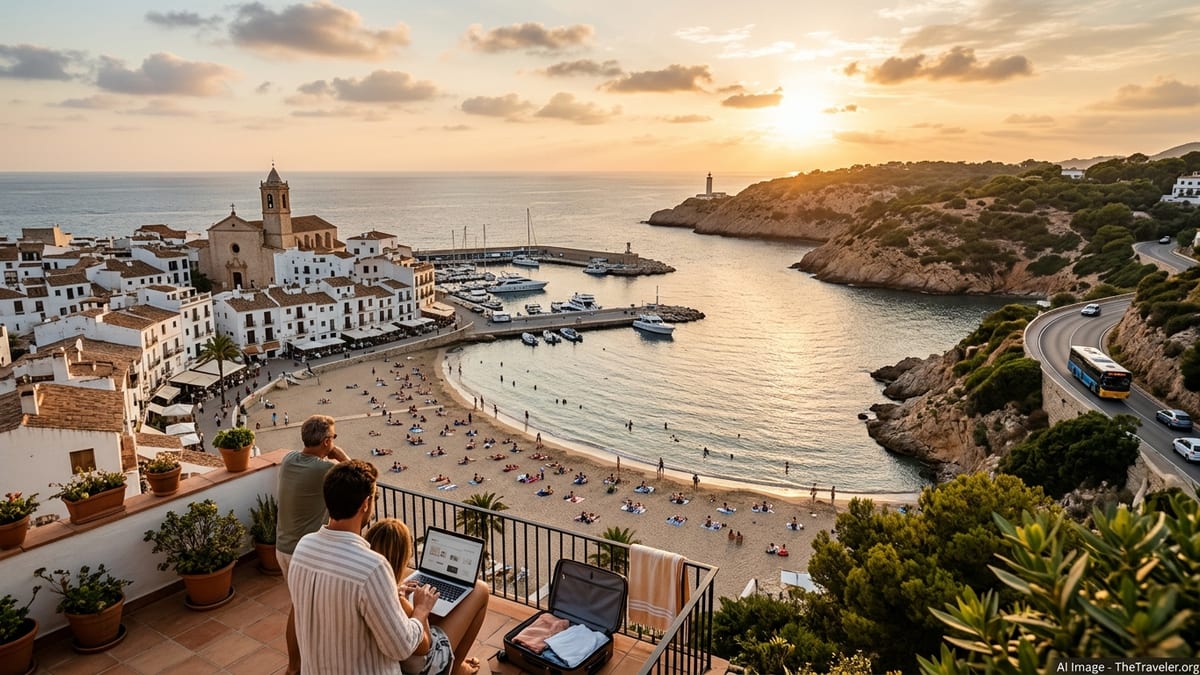
Record platform nights across the EU, with Spain still in front
Eurostat’s latest release on international tourism confirms that guests booked 951.6 million nights in short-stay accommodation via Airbnb, Booking and Expedia across the EU in 2025, an increase of 11.4% compared with 2024 and more than 30% above 2023. The figures, based on data that the three platforms share with Eurostat, show that short-stay rentals have reached their highest recorded levels since EU-wide platform monitoring began.
In parallel, a 2026 Eurostat chapter on international tourism notes that Spain remained the top EU destination for international tourists in 2024, accounting for about 22% of all international guest nights in EU tourist accommodation. Italy and France, together with Spain, made up almost half of all international nights spent in EU tourist accommodation, underlining how central these three countries remain for cross-border travel within and to Europe.
While the Eurostat platform statistics cover all types of short-stay accommodation booked through the three companies, they align with broader tourism indicators that also show EU tourism nights at record levels in 2025 across hotels, holiday rentals and campsites. This wider context helps explain why demand pressure on popular destinations such as Spain’s Mediterranean coast and Italy’s major cities has persisted beyond the traditional peak weeks.
Shoulder season gains ground in Spain and Italy
Detailed monthly data from Eurostat’s tourism series indicate that in both Spain and Italy, guest nights in the April to May and September to October periods have grown faster than in mid-summer since 2019. Regional breakdowns show that coastal areas such as Andalucía and the Valencian Community in Spain, along with regions like Lazio in Italy that combine city and coastal tourism, record increasingly high shares of international nights in the early autumn months compared with a decade ago.
External analysis drawing on Eurostat’s monthly data, including recent work that tracks Italy’s short-stay accommodation patterns, finds that in several Mediterranean coastal regions September now rivals or slightly exceeds August for international guest nights booked through short-stay platforms. This does not mean that August has been overtaken everywhere or across all forms of accommodation, but it illustrates how the late-summer shoulder season has strengthened, particularly among non-domestic visitors.
The banking group CaixaBank, using anonymised card-spending data for Spain between 2019 and 2024, similarly reports a decline in the share of annual international tourism spending that falls in July and August, even as total spending continues to grow. The findings suggest that more visitors are spreading trips into the surrounding months, reducing the concentration of tourism activity in the traditional high-summer window.
July and August still peak, but “Super September” squeezes bargains
Despite these shifts, official statistics for both Italy and Spain continue to show July and August as the months with the highest overall tourism volumes and spending. Eurostat’s accommodation series and national data compiled in CaixaBank’s tourism research confirm that the core summer holiday period remains dominant in absolute terms, especially for family travel tied to school breaks.
What appears to be changing is the relative weight of late-summer. Industry commentary that draws on booking data, including ABTA’s Travel Trends work and airline and online travel agency reports, points to what has been dubbed “Super September,” with a growing share of Europeans now planning overseas holidays for that month. In the UK, for example, survey data used in ABTA’s 2026 Travel Trends report show a higher stated intention to travel abroad in September than in each of the main summer months, and Spain and Italy are repeatedly cited among the leading September destinations.
For travellers, the immediate impact is that September in popular parts of Spain and Italy increasingly feels like an extension of high season rather than an off-peak alternative. Platform data and spending indicators suggest high occupancy and firm pricing on short-stay rentals, especially in coastal and city hotspots, even if temperatures are marginally cooler and some beaches and attractions are less crowded than at the end of July or in early August.
What this means for travellers booking Airbnbs in 2026 and beyond
For short-stay rentals, “shattering Airbnb records” in this context refers to two linked developments: record total guest nights booked through platforms across the EU in 2025, and the highest recorded shares of those nights falling in spring and autumn shoulder months in recent years. It does not describe a single exceptional data point in September 2026, and it does not imply that August has been abandoned or that the trend is limited to platform accommodation rather than also affecting hotels and other lodging types.
Travellers considering Italy or Spain for September now need to plan with the expectation of near-peak demand in many sought-after areas. That can mean fewer last-minute bargains and limited availability for well-reviewed listings, particularly in coastal regions and major city-break destinations. At the same time, the spread of demand across more months may help moderate some of the extreme crowding and price spikes that characterised the very busiest weeks in the late 2010s and the immediate post-pandemic rebound.
Because Eurostat and national tourism bodies continue to update their figures, and platform availability and pricing move quickly, prospective visitors should check current data and live listings for their target region before locking in 2026 or 2027 travel plans. Comparing August and September prices, minimum stays and cancellation rules on short-stay platforms, and cross-checking with official tourism statistics where available, will provide the clearest picture of how the “Super September” pattern is playing out in specific parts of Spain and Italy.