

Corfu’s emerald hills, pastel villages and aquamarine bays make it one of Greece’s most varied islands, and choosing where to stay can completely shape your trip. From Venetian alleyways in Corfu Old Town to raucous nights in Kavos, from barefoot luxury at all inclusive resorts to simple family run studios above quiet coves, each area has a very different personality.
Understanding Corfu’s Layout and Seasons
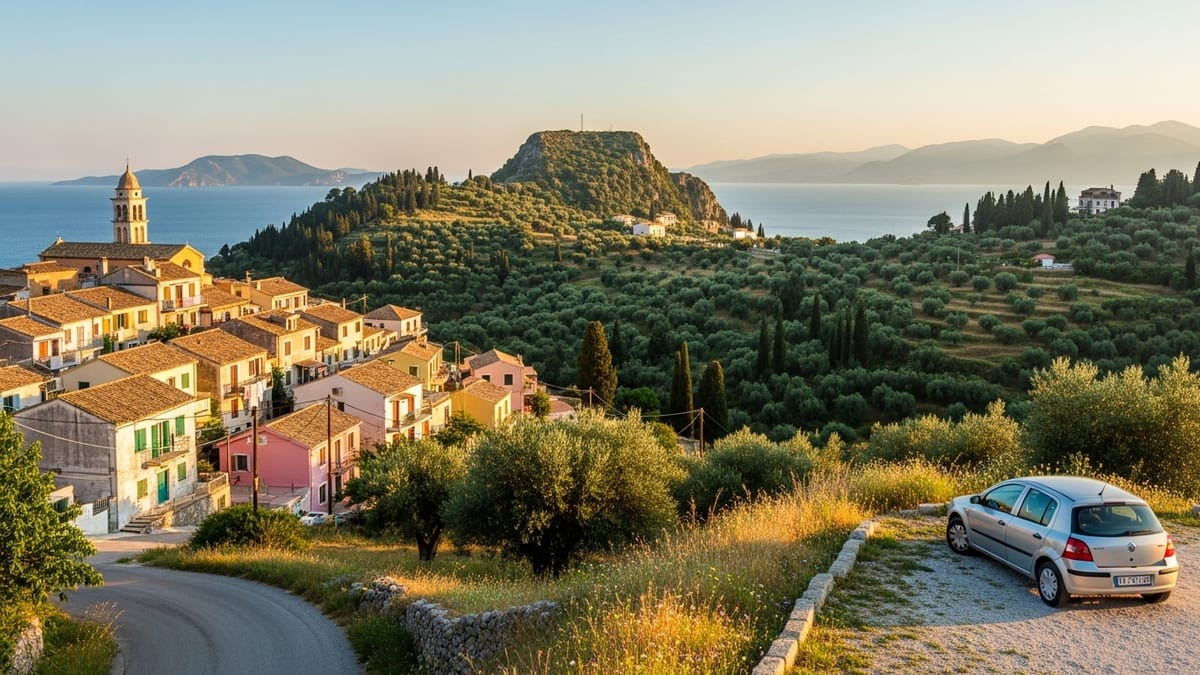
Corfu runs roughly north to south along Greece’s northwest coast, with Corfu Town near the center of the east coast and the airport just a short drive away. The northeast coast is sheltered, studded with pebble coves and upscale villas. The northwest and west coasts are more dramatic, with high cliffs and some of the island’s best sandy beaches.
The south has long, wild strands and a younger party scene, while the interior is a tangle of cypress studded hills and traditional villages. Where you stay will influence driving times, how easy it is to tour the island, and the type of nightlife and beaches you experience.
Most visitors arrive between May and October. June through early September is the peak period, when resort areas like Sidari, Kassiopi and Kavos are busy, prices are at their highest, and temperatures are hot. May and October bring softer light, fewer crowds and better hotel value, though some beach clubs and smaller hotels may close by late October. If you plan to explore by car, almost any base works. If you prefer buses and taxis, you are generally better off in Corfu Town, Gouvia, Dassia or Ipsos, where public transport and organized excursions are easiest to arrange.
Accommodation on Corfu spans restored mansions in Corfu Old Town, sprawling all inclusive complexes, boutique adults only hotels, budget studios and simple family pensions. Luxury travelers gravitate toward high end brands along the east coast, in Kommeno and Dassia, or to designer adults only retreats such as Domes Miramare near Moraitika.
Families often choose larger resorts with kids’ clubs and waterparks, including upgraded properties next to Aqualand, one of Europe’s biggest waterparks, or family friendly beachfront resorts in Agios Gordios and Glyfada. Couples and independent travelers may prefer the atmosphere of smaller properties in Kassiopi, Kalami or the hill village of Afionas above Porto Timoni.
When comparing areas, balance three main factors: access, beach type and vibe. The east coast offers short transfer times and calmer seas but more pebbly beaches. The west and northwest deliver the postcard beaches and sunsets at the price of longer, winding drives. The south is a good choice if you value big sandy beaches or nightlife. Knowing which matters most to you will help you narrow your search before you look at specific hotels or villas.
Corfu Town: History, Charm and a Central Base
Corfu Town, also called Kerkyra, is the island’s historic and cultural heart, and one of Greece’s most atmospheric small cities. Its UNESCO listed Old Town weaves together Venetian, French and British influences in a maze of narrow lanes, pastel facades, arcaded squares and twin fortresses facing the sea. Staying here is ideal if you want a city break feel with easy day trips to the rest of the island. Corfu Town suits first time visitors, couples who care more about restaurants and ambiance than pool days, and anyone visiting outside the June to September high season when the resorts quieten down.
The Old Town offers several boutique hotels in restored mansions, along with small design properties in neoclassical townhouses and some modern business style hotels nearer the new port. While you will not find huge resort pools here, many hotels compensate with stylish roof terraces, refined breakfasts and quick access to Corfu’s best dining and nightlife. Newer openings and refreshed properties for 2024 and 2025 focus on preserving period details while adding modern comforts such as high quality bedding, soundproofing and air conditioning, which is crucial in midsummer.
On the city’s edges, larger waterfront hotels line Garitsa Bay and the Kanoni peninsula, giving you sea views and short taxi rides into the Old Town. These are good compromises if you want a pool and a more resort like feel without sacrificing proximity to the museums, fortresses and shops. From Corfu Town you can easily catch ferries to nearby islets, join sailing excursions, or hop a bus to resorts on both the east and west coasts. This centrality makes it an excellent base for shorter trips of three or four nights.
Corfu Town does have small swimming spots and bathing platforms, but there are no sweeping sandy beaches in the immediate center. If beach time is your priority, you may prefer to stay in a resort area and visit Corfu Town for a day or an evening. Parking within the old streets can be challenging in high season, so if you rent a car, look for hotels that provide dedicated parking or plan to use public lots along the waterfront.
North East Coast: Kassiopi, Kalami and Upscale Coves
The northeast coast between Barbati and Kassiopi is one of Corfu’s most scenic and coveted stretches. Here the slopes of Mount Pantokrator descend to a series of cobalt coves, pebble beaches and small harbors framed by olive and cypress trees. Across the water rise the mountains of Albania. The atmosphere is more low key and refined than in the big package resorts; this is villa and boutique hotel country, with a strong repeat following among British and northern European visitors.
Kassiopi, about 45 to 60 minutes’ drive from Corfu Town depending on traffic, balances a traditional fishing village feel with enough bars, restaurants and boutiques to keep evenings lively. Around its horseshoe harbor you will find stone alleys, waterfront tavernas and a modest nightlife scene that is energetic without being wild.
Accommodation in Kassiopi ranges from small harborfront hotels and apartments to contemporary villas on the hillsides and several midrange family hotels with pools. Beaches here are mainly pebbly but very clear, and nearby Avlaki and Kerasia are among Corfu’s prettiest coves for swimming and snorkeling.
Further south, Kalami and neighboring coves appeal to travelers seeking quiet and scenery over nightlife. Kalami is a compact, horseshoe bay backed by thick greenery, famous as the former home of writer Lawrence Durrell. The beach is white pebbles with a sandy seabed, perfect for swimming, with a handful of tavernas and small hotels right on the water. This is ideal territory for couples, older travelers and families with children who are happy in the sea all day and do not need big entertainment complexes. Many properties here are self catering apartments, villas with pools and a few tasteful boutique hotels hugging the shoreline.
Between these villages stretch small settlements like Nissaki and Barbati, where low rise hotels and clusters of apartments sit just above pebbly beaches with exceptionally clear water. This area is well suited to those who want to rent a car or boat and explore hidden coves, and to travelers who prize sea quality and views over sandy shores. The trade off is that roads can be narrow and parking tight in August, and evening entertainment is focused on tavernas and a few relaxed bars rather than clubs. For a romantic, blue and green Corfu with day trips by boat and long waterfront dinners, the northeast coast is hard to top.
North and North West: Sidari, Acharavi and Dramatic Coasts
The north and northwest coasts of Corfu offer a very different mood: wide sandy beaches, sculpted cliffs and buzzy resort towns designed for classic beach holidays. This region is perfect if you want affordable accommodation, easy access to long beaches, and a sociable atmosphere. It is less polished than the northeast, but more relaxed and family oriented than the southern party strip around Kavos, with a big choice of package hotels, apartments and smaller family run places.
Sidari is one of the main hubs, known for its nightlife and the famous Canal d’Amour, where soft sandstone cliffs form natural swimming channels and coves. The resort spreads along a broad sandy bay and a busy main strip lined with bars, karaoke venues and casual restaurants. It is highly popular with British and Irish visitors. Accommodation runs from basic studio blocks with pools to midrange hotels and a few more stylish adults only options on the fringes. If you enjoy entertainment on your doorstep and do not mind crowds or lively streets on summer nights, Sidari is good value and convenient, with plenty of excursion offices and car hire agencies.
Nearby resorts such as Acharavi and Roda offer a slightly calmer feel while still delivering long sandy beaches and solid midmarket hotel choices. Acharavi in particular has a good spread of supermarkets, cafes and local services and makes a practical base for exploring the northwest by car. Inland, the mountainous interior rises to viewpoints like Old Perithia and Mount Pantokrator, popular day trips for hikers and photographers. The northwest is also the jumping off point for Cape Drastis and Logas Beach, two of Corfu’s most photographed sunset spots, best reached by car or on organized tours.
Travel times from the airport to these northern resorts typically range from one to one and a half hours depending on traffic and transfer type. Roads are mostly straightforward, but they can feel long if you are arriving late at night with small children. Once there, you will find that the region’s relative remoteness from Corfu Town encourages you to stay local in the evenings. If you care about having Corfu’s cultural sights at your fingertips, the north and northwest are less ideal than bases closer to the center of the island. If your priority is good value, sandy beaches and a holiday resort buzz, they work very well.
West Coast: Paleokastritsa, Glyfada and Sunset Beaches
The west coast delivers some of Corfu’s most spectacular scenery, with steep green hills tumbling into turquoise bays and an almost Adriatic feel. It is an excellent choice for travelers who want dramatic viewpoints, memorable beaches and a slightly more independent, nature focused holiday. The west is less about huge all inclusive resorts and more about clusters of midrange hotels, studios and boutique properties that capitalize on views. Roads can be winding, but the payoff is some of the island’s most iconic landscapes.
Paleokastritsa, on the central west coast, is one of Corfu’s classic postcards. Several coves, beaches and inlets are framed by high cliffs and forested slopes, with a monastery perched on a headland overlooking the sea. The water is exceptionally clear and cool, popular for boat trips to nearby caves and for snorkeling. Many hotels and apartments sit on the hillsides above the bays, so you will often trade immediate beach access for panoramic views. This area suits couples, nature lovers and families who do not mind some uphill walking. Evenings are relaxed, centered on tavernas and a handful of low key bars.
Further south, Glyfada and Agios Gordios offer long sandy beaches with a sociable but more laid back atmosphere than the big northern or southern resorts. These bays combine beach bars, sun loungers and shallow swimming with a backdrop of pine covered hills and excellent sunset views. Accommodation includes medium sized resorts, apartment complexes and a growing number of boutique hotels and villas, some built into the slopes with infinity pools overlooking the Ionian Sea. This part of the coast is particularly popular with families and couples who want a classic beach holiday with a bit more atmosphere and scenery than some of the larger, flatter resorts.
The west coast is also where you will find some of Corfu’s more remote gems, such as Rovinia Beach or the double bay of Porto Timoni, which require hikes or boat trips. Staying nearby in villages like Liapades or Afionas allows you to access these spots early or late in the day before excursion boats arrive, and to enjoy traditional tavernas in authentic hilltop settlements. For travelers who prioritize beaches, photography and sunsets over nightlife and shopping, choosing a base on the west coast is one of the most rewarding options on Corfu.
Central East: Gouvia, Dassia and Ipsos for Convenience and Nightlife
North of Corfu Town along the east coast, the resort communities of Gouvia, Dassia and Ipsos form a band of highly accessible, well serviced bases. They are roughly 15 to 25 minutes’ drive from the airport, well connected by local buses, and host a concentration of larger hotels and all inclusive resorts. This area is best for visitors who want logistical ease, a reasonable nightlife scene and the option to explore both north and south by car or on organized day trips.
Gouvia sits on a natural harbor that now hosts Corfu’s largest marina. The village itself combines a small pebble beach, a waterfront promenade and a main road lined with shops, tavernas and bars. You will find a mix of small hotels, self catering apartments and a few big resort complexes nearby. While the beach is modest compared with the west coast, the marina lends a nautical buzz, and Gouvia’s central location is a major advantage if you plan to tour the island. It also offers frequent bus connections into Corfu Town, making car free stays here perfectly feasible.
Dassia and Ipsos, just to the north, are linear resorts hugging a narrow strip of pebbly beach along the main coastal road. Dassia has become a focus for high end all inclusive properties, including one of Corfu’s most talked about luxury beachfront resorts that pairs multiple pools and upscale dining with a polished all inclusive concept. Ipsos, by contrast, is known for its young crowd and summer nightlife, with beach bars and clubs picking up after dark while remaining family friendly by day. Both areas provide a wide range of accommodation, from simple budget rooms to smart adults only boutique hotels and all inclusive complexes with extensive facilities and water sports.
If you value soft sand and wild scenery, these central east resorts will not deliver Corfu’s best beaches, although the sea is calm and suited to paddleboarding and kayaking. Their strengths lie in convenience, variety and transport. From here, you can easily drive or join tours to Corfu Town, Paleokastritsa, the northeast villages and the south. They are especially practical for shorter breaks, first time visitors who are unsure where to base themselves, and groups where different members want different types of evenings, from quiet dinners to bar hopping within easy walking distance.
South and South East: Benitses, Moraitika and Kavos
The southern half of Corfu offers a mix of traditional villages, relaxed family resorts and one of Greece’s better known party strips. It is generally flatter, with long stretches of sand or sand and shingle, and fewer dramatic cliffs than the west and northwest. This region suits travelers who want warmer, shallower seas, waterfront promenades and a less hilly environment, or those drawn to high energy nightlife in Kavos. Access times from the airport are similar to the northern coast, typically between 45 minutes and an hour, depending on how far south you go.
On the southeast coast, Benitses has evolved from a 1980s party hub into a more laid back resort that balances traditional village life with tourism. A small harbor, pebble beaches and a variety of tavernas and cafes make it a pleasant, low key base. Accommodation includes family run hotels, apartments and a few modern boutique properties in restored houses.
Slightly further down the coast, Moraitika and neighboring Messonghi form a larger resort area with a good sandy beach, shallow waters and a broad choice of hotels, from simple two star family places to four and five star branded resorts. Nearby, several luxury adults only properties and upscale retreats have opened or been refreshed in recent years, including beachfront resorts set in olive groves that focus on design, gastronomy and wellness.
At Corfu’s southern tip, Kavos is synonymous with nightlife. This seaside village is built almost entirely around bars, clubs and budget accommodation catering to young visitors. Staying here makes sense only if you specifically want a late night party holiday with music and bars open into the early hours. The long sandy beach is pleasant by day, with water sports and boat trips to nearby islets, but the village itself is not representative of the rest of Corfu. Families and travelers seeking quiet or authenticity are usually better off in central or northern resorts, or in smaller southern villages farther from the main strip.
On the southwest side, long sandy beaches such as Halikounas and Issos are backed by dunes and a protected lagoon system. Accommodation here is more scattered, based around small villages and a handful of low rise hotels and villas rather than dense resort centers. This is an excellent choice if you drive and want wide open space, windsurfing or kitesurfing and largely undeveloped shoreline. Evenings are quiet and focused on a few local tavernas. For an almost wild, windswept version of Corfu that still feels close to nature, the southwest is especially appealing.
Resort and Hotel Styles: From All Inclusive to Boutique
Beyond geography, the style of resort or hotel you choose will shape your Corfu experience. In recent years the island has seen a strong move upmarket, with several luxury all inclusive properties repositioning themselves around gourmet dining, wellness and design. Standout examples include high end beachfront resorts in Dassia and Kommeno that offer multiple pools, à la carte restaurants and premium drinks in sleek contemporary settings. In northern Corfu, Grecotel’s Costa Botanica estate north of Acharavi combines a countryside atmosphere with an extensive waterpark and family facilities, reflecting a broader trend of more experiential, family oriented luxury.
Classic all inclusive resorts remain popular for families who value convenience and predictable budgets. Large properties near Aqualand Waterpark in central Corfu have been significantly upgraded for the 2025 summer season, adding refreshed rooms, additional pools and enhanced entertainment zones for kids and teens alongside spa, gym and casual dining options. For many families, these resorts provide a simple formula: spend days split between the beach or waterpark, join organized evening entertainment and take occasional excursions to Corfu Town or nearby beaches.
Boutique hotels and adults only properties are growing in number, particularly on the east and southeast coasts and in Corfu Town. These often highlight Corfiot materials and craftsmanship, with stone walls, olive wood details and neutral palettes, paired with personalized service and high quality local produce at breakfast. Some focus on wellness, offering yoga decks, reformer Pilates and contemporary spas; others center their identity on gastronomy, promising refined Mediterranean and pan European menus paired with Ionian Sea views. Couples and honeymooners who prefer atmosphere and character to sheer scale will find these properties an appealing alternative to big resorts.
Villas and self catering apartments remain a core part of Corfu’s accommodation landscape, especially in the northeast and around the west coast cliffs. Many are managed by specialist agencies or small local companies, offering services from simple key handovers to full concierge support with private chefs and boat charters. For families or groups of friends, a villa with a pool in Kassiopi, Kalami or near Paleokastritsa can be more cost effective and flexible than multiple hotel rooms, especially when you factor in the ability to cook some meals at home. The trade off is that you will need to rent a car, and you will not have on site restaurants or kids’ clubs.
The Takeaway
There is no single best place to stay in Corfu, only the best match for the type of holiday you want. If this is your first visit and you like a city break atmosphere, Corfu Town or its immediate surroundings give you history, dining and easy access to the rest of the island. If crystal clear pebble coves and a calm, upscale vibe appeal, look to the northeast coast around Kassiopi, Kalami and Barbati. For long sandy beaches and lively resort life on a budget, the north and northwest from Sidari to Acharavi deliver, while the west coast suits those who dream of dramatic cliffs, sunsets and hidden coves accessible on foot or by boat.
Families often gravitate to central east resorts such as Gouvia, Dassia and Ipsos for their logistics and hotel choice, or to west coast bays like Glyfada and Agios Gordios for their sand and scenery. Couples and adults traveling without children might consider boutique and adults only retreats in Moraitika, Kommeno or along the southeast coast, or smaller properties in atmospheric villages that prioritize charm over facilities. Party seekers will be happiest in Kavos or Ipsos in high season, while nature lovers and those seeking peace might choose the southwest’s dune backed beaches or the quiet coves and inland villages of the northeast.
Whatever area you choose, try to plan at least one evening in Corfu Town, one boat trip or coastal hike, and time on both a sandy west coast beach and a clear pebble cove in the east. Corfu is compact enough that you can sample several faces of the island in a single trip, especially if you rent a car. Use your base as a springboard rather than a limit, and you will understand why so many visitors return here year after year, often to the same village, hotel or even the same room that has become part of their personal story of Corfu.
FAQ
Q1. What is the best area to stay in Corfu for first time visitors?
For a first trip, Corfu Town and the nearby east coast are the most practical. Staying in or just outside the Old Town gives you history, restaurants and easy transport connections, while resorts like Gouvia and Dassia provide beaches and pools with short transfer times and straightforward day trips north and south.
Q2. Where should families with young children stay in Corfu?
Families usually do well in central east or west coast resorts with sandy beaches and shallow water, such as Glyfada, Agios Gordios, Moraitika or larger all inclusive complexes near Aqualand in central Corfu. Look for hotels with kids’ clubs, splash pools and family rooms, or consider a villa with a private pool in a village like Kassiopi if you are comfortable renting a car.
Q3. Which part of Corfu has the best beaches?
The west coast has some of Corfu’s most beautiful sandy beaches and dramatic backdrops, including Paleokastritsa, Glyfada, Agios Gordios and more remote coves reached on foot or by boat. The northeast coast offers exceptionally clear water and picturesque pebble coves around Barbati, Nissaki, Kalami and Kassiopi, ideal for snorkeling and boat trips rather than soft sand.
Q4. Is Corfu Town a good base if I want beach time?
Corfu Town is unbeatable for culture, dining and atmosphere, but it does not have large sandy beaches in the center. It works best as a base if you are happy to combine short taxi or bus rides to nearby beaches with city sightseeing, or if you split your stay between the Old Town and a beach resort elsewhere on the island.
Q5. Where should couples and honeymooners stay in Corfu?
Couples often prefer the northeast coves around Kalami and Kassiopi, boutique and adults only hotels in Dassia, Kommeno or Moraitika, or atmospheric west coast spots like Paleokastritsa and Afionas above Porto Timoni. Look for smaller properties with sea views, good restaurants and quiet surroundings rather than the largest, busiest resort complexes.
Q6. Is Kavos a good choice for all travelers?
Kavos is very specifically geared toward nightlife and young partygoers, with a long strip of bars and clubs and many budget accommodations. It can be fun if you want that style of holiday but is not recommended for families, older travelers or anyone seeking traditional village life or quiet evenings. Those visitors are better off in other southern resorts or elsewhere on the island.
Q7. Do I need a car to enjoy Corfu?
You can have a good holiday without a car if you stay in Corfu Town, Gouvia, Dassia or Ipsos, where buses and excursions are plentiful. However, renting a car for at least a few days greatly expands your options, allowing you to visit remote beaches, hill villages and sunset viewpoints on the west and southwest coasts that are hard to reach by public transport.
Q8. Are all inclusive resorts in Corfu worth it?
All inclusive resorts can offer excellent value for families and for travelers who prefer convenience, especially newer or recently upgraded properties with multiple à la carte restaurants and quality drinks. They are less appealing if you like exploring local tavernas and independent cafes. If you choose all inclusive, consider staying within easy reach of Corfu Town or traditional villages so you can still experience local food and culture.
Q9. What is the best time of year to visit Corfu for fewer crowds and good weather?
Late May, June and late September into early October typically provide warm temperatures, swimmable seas and fewer crowds than July and August. During these shoulder periods, you will find more availability in popular resorts like Paleokastritsa and Kassiopi, lower rates at many hotels and a more relaxed feel in Corfu Town and the main beaches.
Q10. How far in advance should I book accommodation in Corfu?
For peak season stays in July and August, especially in sought after areas like the northeast coast, Paleokastritsa or boutique hotels in Corfu Town, it is wise to book several months in advance. For shoulder season and less busy resorts, you have more flexibility, but booking at least two to three months ahead still gives you a better choice of rooms, particularly for family suites and villas with pools.