


More news on this day
Zanzibar’s tourism industry is extending a sustained post-pandemic surge into 2025, with recently released data pointing to record visitor numbers, rising earnings and a broader regional spread of source markets across Africa, the Middle East and Europe.
Get the latest news straight to your inbox!
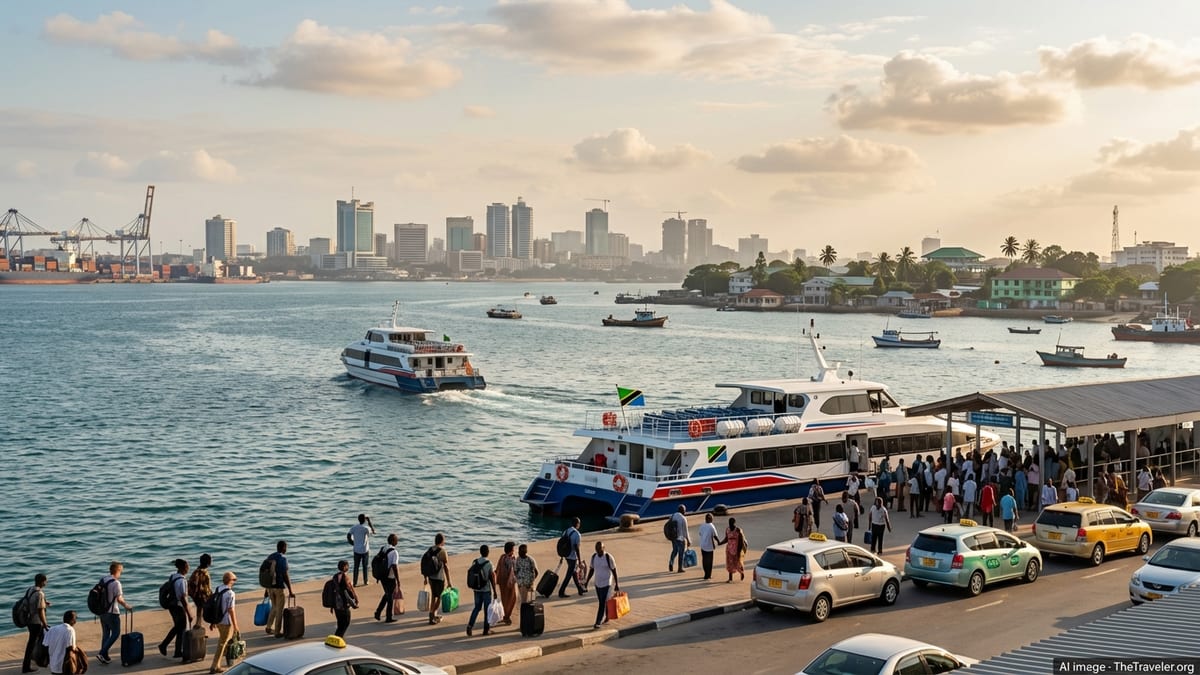
Record Arrivals Cement Zanzibar’s Tourism Momentum
Recent tourism statistics show that Zanzibar has consolidated its position as one of East Africa’s fastest-growing beach destinations. International arrivals reached close to 737,000 in 2024, according to compiled data from national statistics and tourism sector surveys, marking a double-digit increase on 2023 and setting a new historic high for the archipelago.
The upward trend builds on several years of strong recovery. Earlier official statistical releases for 2023 already highlighted annual growth of more than 15 percent compared with 2022, with international arrivals more than doubling from pandemic-era lows. Industry analysts note that the island group has now surpassed its pre-2020 performance by a substantial margin, supported by expanded air connectivity and renewed demand for long-haul leisure travel.
The contribution of Zanzibar to Tanzania’s wider tourism rebound is becoming more visible as mainland safari circuits and the coast increasingly operate as a combined itinerary. National tourism surveys for 2024 show overall international arrivals to Tanzania hitting fresh records, with Zanzibar accounting for a growing share of visitors drawn by coastal and island experiences.
In tandem with rising headcounts, the average length of stay on the islands has also edged upwards, with sector reports for 2024 indicating visitors now spend around a week in the archipelago. This shift is reinforcing tourism’s role in local employment and foreign exchange generation.
Regional Mix Broadens Beyond Traditional European Markets
While European countries remain the core of Zanzibar’s international source markets, recent data points to a steadily diversifying visitor base. Earlier statistical releases for 2023 highlighted France, Italy and Germany among the leading origin markets, continuing a long-standing pattern of European dominance in Zanzibar’s tourism profile.
However, tourism surveys for 2024 and early 2025 indicate stronger growth from regional African markets and the Middle East. Arrivals from neighboring East African states, including Kenya and mainland Tanzania, have increased alongside more intra-African leisure and conference travel. Travel trade coverage also notes rising interest from Gulf states, supported by new and expanded routes from carriers based in the Middle East.
Industry observers say this broader regional mix is helping smooth seasonal swings that traditionally followed the European holiday calendar. Stronger participation from African and Middle Eastern visitors during shoulder months is contributing to higher hotel occupancy rates across a longer part of the year, particularly in Stone Town and on the north and east coasts.
The changing market structure is also reflected in product offerings. Beach resorts and tour operators are increasingly tailoring packages for short-break travelers from the region, including long weekend stays, family-friendly deals and city-beach combinations that link Zanzibar with Dar es Salaam and other East African hubs.
Investment, Connectivity and New Products Drive Growth
The latest tourism data coincides with a visible wave of investment in accommodation, infrastructure and experiences. Over the past two years, new midscale and upscale hotels have opened across Unguja and Pemba, complementing long-established luxury properties and boutique guesthouses in Stone Town.
Publicly available information from aviation and tourism briefings shows that expanded international air links have been a key catalyst. Direct and charter services from Europe, the Middle East and other African gateways have lowered travel times and supported package-tour growth, while more frequent domestic flights are improving connections between Zanzibar and major safari parks on the mainland.
Product diversification is another element of the current boom. Beyond the classic sun-and-sand proposition, more operators are promoting cultural and heritage tours in Stone Town, spice farm visits, marine conservation excursions and community-based experiences in rural villages. Travel features from regional and international outlets point to growing traveler interest in combining beach stays with diving, kitesurfing and eco-focused activities in protected marine areas.
Sector analysts argue that this broadening of the tourism offer is vital for dispersing visitor spending more evenly across the islands and encouraging repeat visitation, particularly as competition from other Indian Ocean destinations intensifies.
Policy Shifts and Sustainability Debates Shape the Next Phase
Alongside the headline numbers, the tourism boom is prompting new policy measures and debates about sustainability. Recent regulatory changes affecting business ownership and licensing, reported in local business media and industry forums, signal an effort to channel investment through formalized structures and to increase local participation in tourism enterprises.
At the same time, discussions around environmental and cultural impacts are becoming more prominent. Commentaries from regional tourism publications highlight concerns over coastal development pressure, waste management and the protection of coral reefs and marine life around popular dive and snorkel sites. Stone Town’s status as a World Heritage site has also kept attention on building standards and conservation of historic buildings amid rising visitor footfall.
Some operators are responding by marketing low-impact experiences, supporting beach clean-up initiatives and partnering on mangrove and reef restoration projects. There is also growing emphasis on training and skills development for local workers, as the sector seeks to translate higher arrivals into broad-based economic benefits.
Observers note that how Zanzibar balances rapid tourism growth with environmental stewardship and community interests will be central to maintaining its appeal in the coming decade, particularly among travelers who seek destinations that combine natural beauty with credible sustainability credentials.
Outlook: Continued Expansion with a Sharper Regional Focus
Forward-looking commentary from travel trade publications and regional tourism updates suggests that Zanzibar is on track to sustain robust growth into 2025, supported by strong booking pipelines from both traditional and emerging markets. The combination of improved air access, diversified products and coordinated promotion with mainland Tanzania is expected to keep the archipelago firmly on global itineraries.
Efforts to cultivate regional demand are likely to intensify. Marketing campaigns are increasingly targeting short-haul travelers from East and Southern Africa, as well as residents of Gulf states seeking beach escapes within a relatively short flight. Analysts argue that this strategy could help buffer the sector from economic or geopolitical shocks in long-haul origin markets.
With arrivals already surpassing previous records and a widening geographic spread of visitors, Zanzibar’s tourism boom appears set to continue. The challenge for policymakers, investors and local communities will be to convert record numbers into resilient, inclusive growth while preserving the cultural and natural assets that underpin the islands’ appeal.