


More news on this day
As cruise ships fill up for peak season sailings, experienced travelers are paying closer attention to what happens behind those stateroom doors, avoiding habits that may not break any rules but can quickly sour relations with cabin stewards and neighbors along the corridor.
Get the latest news straight to your inbox!
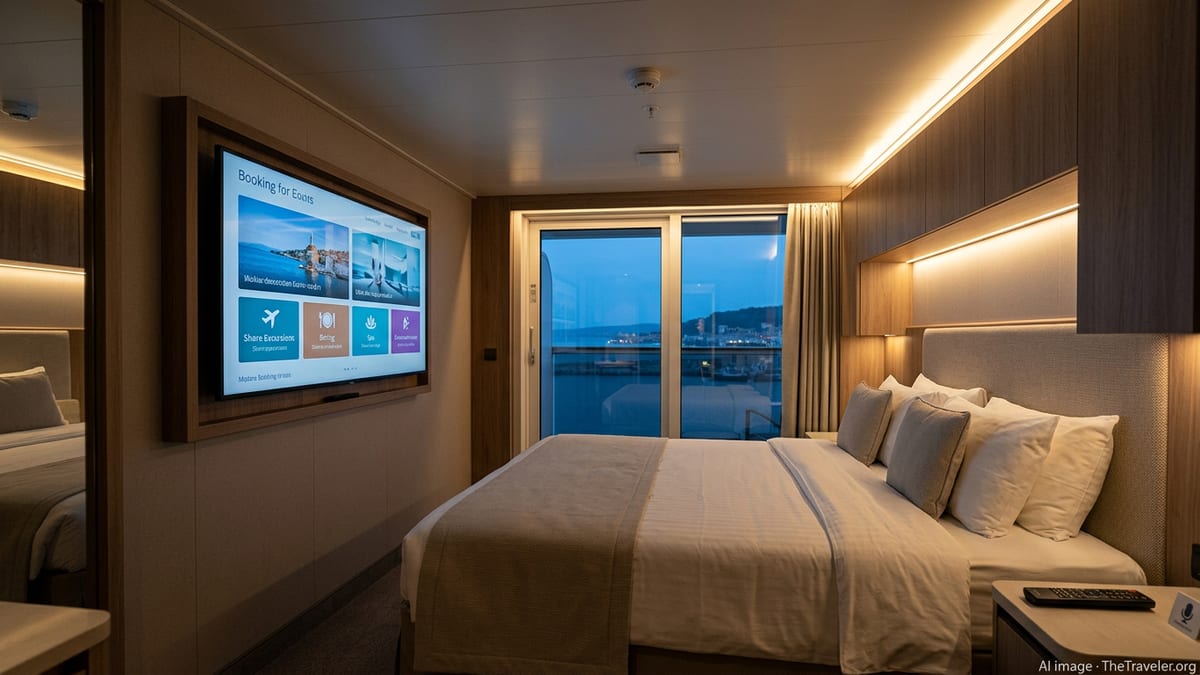
Raising the Volume on TVs and Speakers
Sound travels easily through the relatively thin walls of standard cruise cabins, and elevated noise remains one of the most common sources of passenger complaints. Seasoned cruisers increasingly report keeping television volumes low, using subtitles when available and avoiding external speakers that can carry noise into neighboring staterooms. Late at night and early in the morning, even ordinary conversation or a movie soundtrack can be loud enough to be heard in the hallway.
Many frequent travelers now bring wired or Bluetooth headphones so they can watch shows or listen to music without disturbing others. With more ships offering streaming options through in-cabin televisions, the temptation to treat the room like a home theater has grown, but so have reminders on social channels about being mindful of the people on the other side of the wall. Keeping volume down is a small adjustment that can help preserve a more relaxed atmosphere for everyone on the deck.
Families are also encouraged to discuss noise expectations before a voyage, especially when children or teens share a cabin. Setting ground rules about quiet hours, video games and late-night movies can reduce the chances of neighbor complaints and unwelcome knocks on the door.
Leaving Balcony Doors Open for Long Periods
Balcony cabins appeal to many cruisers, but keeping the sliding door open for long periods can create problems that reach beyond a single stateroom. Cruise lines equip their climate systems to work with doors closed, and open doors can cause air-conditioning units to work harder, introduce excess humidity into the room and even lead to condensation on interior surfaces. Over time, that additional moisture can create maintenance challenges for crew members and discomfort for guests.
Open balcony doors may also allow cigarette or cigar smoke from other areas of the ship to drift into the cabin, even on lines that prohibit smoking on private balconies. Some travelers who are sensitive to smoke or strong odors say they keep their doors closed and step outside only when they want fresh air, rather than creating a continuous open-air connection between cabin and balcony.
In rougher seas, leaving the door open can contribute to drafts that cause interior doors to slam or rattle, adding unnecessary noise along a hallway. For these reasons, frequent cruisers say they restrict balcony door use to short periods, closing it firmly behind them whenever they return inside.
Hanging Wet Items Around the Cabin
After a day by the pool or at a beach excursion, it can be tempting to drape wet swimsuits and towels over chairs, lamps or balcony railings. Cruise lines, however, typically request that guests avoid hanging anything on balcony furniture or railings, noting safety concerns in windy conditions and the risk that items could blow into the sea. Within the cabin, wet fabrics can also contribute to a damp feeling that makes the space less comfortable.
Experienced cruisers report relying on in-cabin clotheslines, usually found in showers, as well as portable folding hangers and small travel clotheslines designed for indoor use. These options limit dripping water, keep fabrics confined to the bathroom area and help housekeeping staff access the main room more easily.
Keeping wet items contained can also help reduce lingering odors that may develop when fabric sits damp for too long in an enclosed space. Many travelers note that a more orderly approach to drying clothes not only respects ship guidelines but also keeps the cabin feeling fresher across a weeklong voyage.
Ignoring Light and Privacy Considerations
Lighting choices inside a cabin can have a surprising impact on neighbors, especially in corridors with interior rooms and connecting doors. Leaving bright cabin lights on with the door propped open is sometimes viewed as inconsiderate, since glare can reach across the hall and disrupt others who prefer darker conditions. For this reason, many regular cruisers say they close their cabin door promptly and avoid using hallway doorstops except when luggage is being delivered or removed.
Balcony lights, where available, can also affect nearby cabins. Reports from recent sailings indicate that some guests now turn off exterior lights earlier in the evening when they are not using the balcony, both to preserve night views for themselves and to reduce intrusive brightness for those in adjacent rooms.
Privacy is another concern. Leaving curtains or blinds wide open at night with interior lights fully illuminated can create a spotlight effect, making activities inside visible from neighboring balconies and even from public decks. Travelers who are conscious of their surroundings often close curtains once it gets dark, striking a balance between enjoying ocean views and maintaining a sense of discretion.
Overusing Cabin Fragrances and Strong Scents
As cruise lines tighten policies around smoking and vaping in cabins, some guests have turned to scented products to personalize their spaces. Strong candles are typically prohibited for fire safety reasons, but diffusers, room sprays and essential oils remain popular among travelers looking to counteract musty or maritime smells. However, those same fragrances can quickly become overwhelming in close quarters and may drift into neighboring cabins through ventilation or under doors.
Travelers with asthma or scent sensitivities regularly share accounts of discomfort triggered by heavy fragrances, particularly when pungent scents are used in small, confined areas. Out of consideration for other guests and for crew members who service many cabins each day, seasoned cruisers say they avoid powerful air fresheners, opting instead for light fabric sprays or simply increased air circulation when the balcony is in use.
Compact ships and high passenger density mean that personal preferences sometimes need to yield to shared comfort standards. Moderating the use of scented products in cabins is a practical way to keep the environment neutral and more pleasant for a wide range of travelers.
Turning the Cabin into a Late-Night Party Space
Most larger ships now feature bars, lounges and late-night venues specifically designed for parties, yet some guests still choose to host gatherings in their cabins. Regular cruisers caution that extended late-night socializing in a standard stateroom often results in noise carrying into adjacent rooms, leading to disturbed sleep and occasional disputes along the corridor.
Common courtesy guidelines circulated in cruise communities emphasize that louder celebrations are better suited to public venues, where soundproofing and staffing are designed for that purpose. Guests who prefer a quieter social setting often gather on open deck areas or in smaller lounges, returning to their cabins when they are ready to rest instead of using them as entertainment hubs.
Cabin design also raises practical concerns. Limited seating and narrow walkways can make overcrowded gatherings uncomfortable and potentially unsafe in the event of an emergency. Frequent cruisers therefore advise keeping in-cabin visits brief and low-key, reserving the room primarily for sleeping, personal time and quiet relaxation.