


More news on this day
As Royal Caribbean continues to fill ever larger ships around the world, experienced passengers are increasingly candid online about what they would do differently next time. In hundreds of recent posts, reviews and planning threads, more than 700 cruisers describing their biggest missteps on Royal Caribbean vacations kept circling back to the same seven themes.
Get the latest news straight to your inbox!
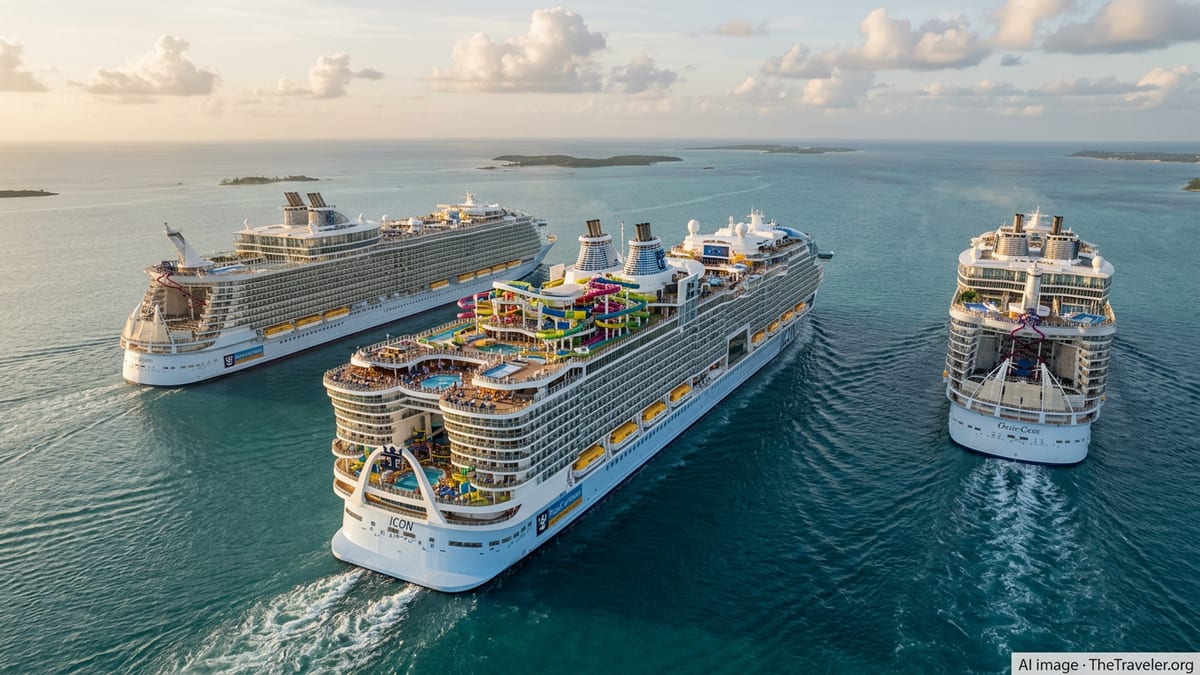
Arriving in Port on Sailing Day With No Time to Spare
A recurring regret among Royal Caribbean passengers concerns travel to the departure port. Discussion boards and planning guides repeatedly highlight one of the most stressful miscalculations: flying in on the same day the ship is scheduled to sail. When weather, airline delays or missed connections intervene, travelers can find themselves sprinting through terminals or, in the worst cases, watching their ship depart without them.
Royal Caribbean’s own planning material encourages guests to build in a buffer, and seasoned cruisers typically recommend arriving at least a day early, particularly for international or winter-weather routes. The extra hotel night is an added cost, but many travelers now describe it as an informal form of insurance that allows them to start the sailing rested, with luggage in hand and boarding times flexible.
Reports from recent seasons suggest that itineraries have become more tightly timed as ships cycle through busy home ports. That can leave little margin for delayed buses, heavy traffic or long security lines. For those flying long-haul into Florida, Texas or European embarkation hubs, arriving one day ahead is increasingly seen as a standard part of a Royal Caribbean cruise budget rather than an optional luxury.
Travel forums also indicate that early arrivals often gain an unexpected benefit: a relaxed first day spent exploring the port city, adjusting to the time zone and handling last-minute purchases such as sunscreen, formalwear or power adapters before boarding.
Underestimating the Real Cost of “Extras” Onboard
The price shown at booking typically covers a Royal Caribbean cabin, main dining venues, many activities and entertainment. However, veteran passengers frequently warn that first-time travelers underestimate how much they will spend once onboard. Recent posts detail surprise at daily service charges, specialty restaurants, coffees, cocktails, Wi-Fi, arcade games and photo packages, all of which can add significantly to the final bill.
Travel writers and cruise planners note that this pattern is not unique to Royal Caribbean, but the brand’s large ships provide a particularly wide range of optional experiences. Publicly available information shows that beverage and dining packages, spa treatments and escape rooms are sold at varying prices by sailing, which can make advance budgeting challenging for new cruisers.
Many of the regrets described online stem not from the presence of these charges but from failing to research them. Passengers report frustration when they realize too late that gratuities are added automatically, or that specialty venues should have been reserved and budgeted in advance. Several experienced cruisers now recommend building a daily onboard spending estimate per person into planning spreadsheets, to avoid end-of-cruise sticker shock.
Financial advisors who cover leisure travel also point out that some costs, such as gratuities and port fees, are predictable and can be pre-paid. Others, including impulse purchases at shops or bars, are more easily contained by setting a firm limit on the onboard account and monitoring it regularly in the cruise line’s app.
Misjudging Drink Packages and Wi-Fi Needs
Few topics generate as much debate among Royal Caribbean regulars as beverage and internet packages. Recent blogs and discussion threads feature extensive calculations from guests who later concluded that they overpaid, or conversely, that they should have purchased a package earlier to capture lower rates. Many say they did not fully factor in port days, time spent off the ship or their actual drinking habits.
Royal Caribbean’s published guidance explains that beverage packages are sold per person, per day, for the duration of the voyage, and cannot be shared. Travelers who buy after boarding generally report higher prices compared with pre-cruise offers. At the same time, some passengers say they bought comprehensive packages and then spent most days ashore, effectively reducing the value of what they had purchased.
Internet access leads to similar regrets. Many travelers now consider at least one device plan essential for messaging, navigation and staying in touch. At the same time, others describe paying for multiple high-speed connections when a single shared plan or a lower-tier option would have met their needs. Posts from recent sailings frequently include advice to review current pricing, estimate how many hours will truly be spent online and compare the cost of individual drinks or per-minute internet with package rates before committing.
Travel commentators add that decisions on packages are highly individual, but they agree on two main lessons emerging from passenger feedback: do the math using realistic assumptions, and monitor promotional pricing in the months leading up to the cruise, since these add-ons can sometimes be repriced or canceled and repurchased at lower rates before sailing.
Booking the Wrong Cabin or Ship for Their Travel Style
Another theme that surfaces repeatedly in traveler accounts is dissatisfaction with cabin choice. In pursuit of the lowest fare, some guests book interior rooms on heavily booked sailings only to discover that they miss natural light or feel cramped on longer itineraries. Others select an impressive suite for a short cruise but then spend most of their time on shore or around the ship, making the upgraded space less valuable than expected.
Cruise specialists and independent reviewers note that Royal Caribbean’s fleet ranges from smaller, older vessels to the newest mega-ships featuring waterparks, neighborhoods and elaborate entertainment. Publicly available coverage shows that these ships can deliver very different experiences. Families seeking constant activities often favor the latest Oasis- or Icon-class ships, while some couples and seniors prefer quieter itineraries on smaller vessels.
Regrets tend to follow a similar pattern: travelers either booked the ship first, without considering how they like to vacation, or accepted a low price on an itinerary that did not match their priorities. Passengers who love sea days and onboard activities sometimes find themselves on port-intensive routes that leave little time to use the pools, slides and shows they paid for. Others who mainly want to explore destinations report frustration that they selected a ship whose main attractions were crowded headline features rather than the ports themselves.
Travel advisors increasingly recommend starting with a brief profile of personal preferences, including whether sea days or ports matter more, how much time is expected in the cabin and whether quiet spaces or nightlife are a priority. Matching that profile to the specific ship and stateroom types has become one of the most emphasized steps in Royal Caribbean trip planning guides.
Leaving Shore Excursions and Key Reservations to the Last Minute
With ships carrying thousands of guests, onboard capacity for some activities and shore tours is limited. Royal Caribbean’s own materials and third-party blogs both emphasize that popular shows, dining times and excursions can sell out in advance. Yet many first-time cruisers still wait until they are onboard to organize their schedule, only to discover that sought-after tours, cabanas or specialty restaurants are no longer available.
Recent passenger reports describe disappointment when marquee excursions at destinations such as Alaska glaciers, Caribbean private beaches or European city highlights were fully booked before embarkation. Others recount long lines at guest services and shore excursion desks on the first day, as travelers try to piece together plans that could have been pre-arranged through the cruise planner or app.
Observers of the cruise industry note that this pattern has strengthened as demand has rebounded and new attractions, such as private island beach clubs, have been introduced with limited capacity. Planning materials now strongly encourage guests to secure at least must-do activities prior to sailing and to use the app to reserve showtimes, dining preferences and specialty experiences several weeks before departure where possible.
Travelers who learn this lesson often report that a lightly structured schedule, with a few anchor reservations and optional time around them, leads to a much smoother experience than trying to improvise everything once the ship is underway.
Ignoring Ship Time, App Alerts and Other Practical Details
Beyond big-ticket decisions, smaller practical missteps can also loom large in retrospect. Many of the more than 700 traveler accounts surveyed in recent coverage mention simple but costly errors such as misreading ship time, neglecting to carry a SeaPass card at all times, or ignoring notifications in the Royal Caribbean app.
Travel forums contain multiple reports of guests nearly missing all-aboard times after organizing independent excursions ashore and relying on local time rather than the ship’s clock. Others describe arriving late to reserved showings or dining slots because they assumed that the schedule would be flexible. Publicly available guidance stresses that cruise lines operate on ship time, which may not always match the local port time, and that it is the traveler’s responsibility to return before departure.
Additional frustrations frequently cited include failing to complete mandatory online check-in steps, arriving at the terminal without required travel documents or overlooking health and safety questionnaires until the last moment. Passengers also report that skipping the official app, or not learning its features, made it harder to track daily events, account charges and any last-minute changes to itineraries.
Seasoned cruisers advise setting multiple alarms for departure and excursion times, keeping a small lanyard or wallet for the SeaPass and reviewing the daily program each evening. While these habits may seem minor compared with choosing a ship or booking airfare, they can significantly reduce stress and help travelers avoid the kind of avoidable mistakes that dominate many retrospective accounts of Royal Caribbean sailings.