


More news on this day
Returning to Alaska by cruise ship after four years away, I expected nostalgia. Instead, I ran into a very different cruise season, new pricing realities and crowds that felt more like the Caribbean than the remote north. Based on that experience and current 2026 planning guidance, here are seven things I wish we had understood before stepping back on board.
Get the latest news straight to your inbox!
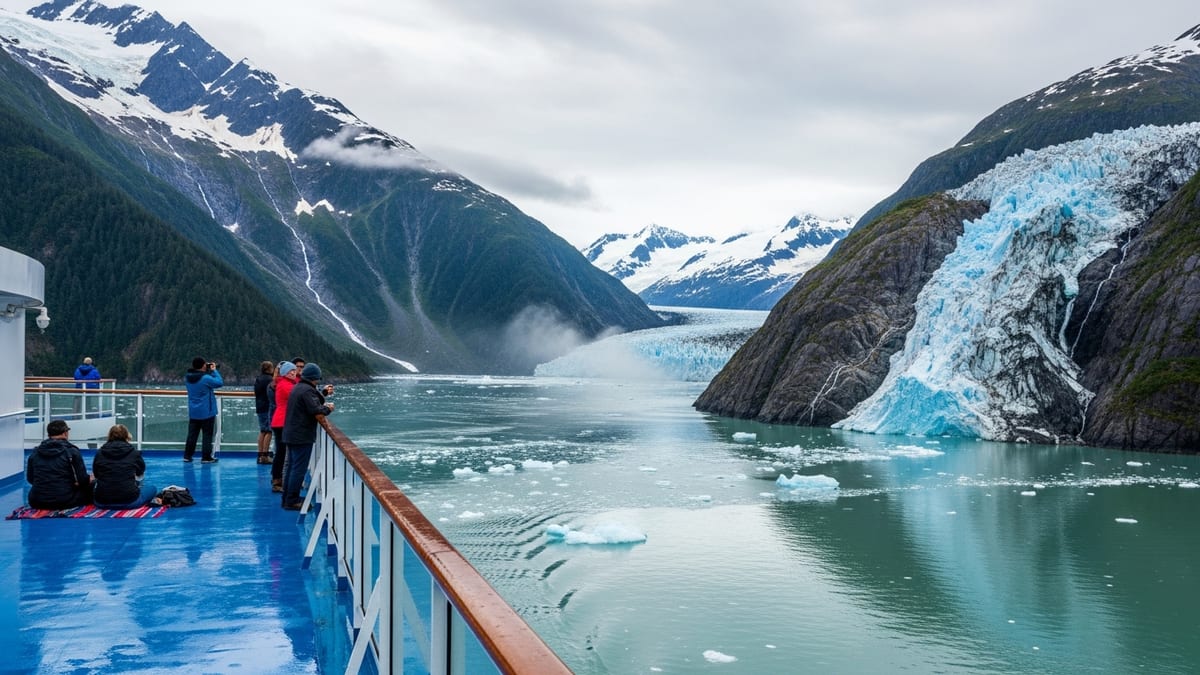
Alaska cruises are busier and more expensive than before
Alaska was once a relative bargain compared with peak-season Caribbean or Mediterranean sailings. Recent pricing analysis shows that is no longer a safe assumption, with more ships deployed to the region and strong demand keeping fares elevated, especially in July and August. Travelers who cruised several years ago often report sticker shock when they return and see starting prices hundreds of dollars higher for similar itineraries.
Published booking advice now generally recommends locking in Alaska cruises 12 to 18 months ahead for the best selection and early promotional rates, particularly for balcony cabins. Waiting for a last-minute deal is far riskier than it was four years ago, because the short May to September season gives lines little incentive to discount popular sailings. On our recent trip, several fellow passengers said they had booked late and ended up paying more for less desirable cabin locations.
What has changed most is the overall cost picture rather than just the cruise fare. Port taxes, fuel costs, bundled “perks” packages and higher gratuity and Wi-Fi rates all add up. Travelers returning after a gap should build a realistic budget that includes these extras, along with airfare to West Coast or Canadian homeports, which has also trended higher during peak summer travel.
The lesson from a second Alaska sailing is simple: treat the trip as a premium product when planning and budgeting. That mindset reduces surprises once final payments and onboard charges arrive.
Timing your sailing matters more than it used to
Four years ago, many travelers chose Alaska dates based mainly on school holidays. Today, the choice between May, high summer and September has become a strategic decision that shapes everything from wildlife sightings to weather and crowd levels. Updated seasonal guidance notes that May typically brings drier conditions and lower prices, while July and early August see peak demand, warmer temperatures and heavier traffic at marquee ports and glaciers.
The shoulder months of May and September are now heavily promoted for those willing to trade slightly cooler temperatures for lower fares and thinner crowds. Reports from recent seasons suggest that these periods can still feel busy, but often with more cabin availability and better value on excursions. On our return trip, sailing in mid-summer meant packed viewing areas during glacier days and longer lines ashore than we remembered from an earlier June departure.
Climate patterns have also become a bigger part of planning. Recent weather summaries point to increasingly variable conditions during the season, from unseasonably hot days in port to cold, wet stretches that feel closer to early spring. Understanding typical weather by month for each port helps set expectations and informs what to pack, especially for families who only remember the conditions from a previous trip.
Travelers planning a repeat Alaska cruise are finding that simply going “around the same time” as last time is no guarantee of a similar experience. Doing fresh research on current-year conditions, crowd patterns and pricing before locking in dates can significantly improve the trip.
Packing for variable weather now requires more precision
Many packing lists for Alaska have converged around the same core idea: layering is essential. What has changed since many travelers’ last visits is just how wide the temperature and precipitation swings can feel in a single day, especially when factoring in wind chill on open decks and in glacier areas. Cruise line guides now emphasize a three-layer system built around moisture-wicking base layers, insulating mid-layers and fully waterproof outer shells.
On our first Alaska cruise, a basic rain jacket and a hoodie felt sufficient. Returning four years later, that approach quickly felt inadequate during cold, windy scenic cruising. Passengers who arrived with waterproof pants, insulated hats, light gloves and proper hiking shoes clearly enjoyed outdoor viewing more comfortably and for longer periods. Updated advice from cruise operators and independent experts stresses waterproof footwear and non-slip soles for wet decks and muddy trails, something many first-time and returning guests underestimate.
Another shift is the growing recommendation to pack less and rely more on the ship’s laundry services or quick sink washing for base layers and socks. With airlines tightening baggage allowances and airfare rising, overpacking large suitcases can be costly. Compact, technical fabrics that dry quickly and perform in a range of temperatures now make more sense than bulky sweaters that take up valuable space.
For repeat visitors, the key realization is that Alaska’s marketing images can be misleading. Sunny glacier photos hide the reality that rain, low clouds and wind are common. Treat the cruise like a trip to a cool coastal rainforest rather than a summer vacation at sea, and pack accordingly.
Excursions sell out faster and need more research
One of the biggest surprises when returning to Alaska by ship is how competitive popular excursions have become. Whale-watching tours, small-boat glacier experiences, scenic railways and dog sledding options are heavily promoted and often book out well before embarkation. Planning guidance for the 2026 season indicates that key tours can fill months ahead on peak sailings, leaving late planners with fewer and sometimes more expensive options.
Four years ago, it was common to wait and book tours after boarding. On our recent cruise, that strategy would have meant missing some of the most sought-after experiences, particularly in ports with limited capacity. Travelers now benefit from comparing cruise line options with independent operators in advance, paying close attention to cancellation policies and timing relative to the ship’s schedule.
The growth of social media trip reports and online planning communities has also changed expectations. Certain experiences are widely described as “must do,” which concentrates demand and can push prices higher. At the same time, there is more detailed information available about alternatives, including smaller-group tours and less crowded activities outside the main time slots.
For anyone considering a second Alaska cruise, building a port-by-port plan early is as important as choosing the ship. Waiting until embarkation to think about what to do in each stop now carries a real risk of disappointment, especially for multi-generational groups and travelers with mobility considerations.
Ship and itinerary choices shape the experience more than before
Since many travelers’ last Alaska trip, the range of ship sizes, onboard offerings and itineraries in the region has expanded. Mainstream lines have deployed some of their newest and largest vessels to Alaska, while niche expedition operators and smaller regional lines continue to offer more intimate experiences. Planning resources increasingly emphasize that picking the right ship and route now has as much impact on the trip as the ports themselves.
Round-trip Inside Passage cruises from Seattle or Vancouver remain the most popular choice, but one-way Gulf of Alaska sailings that link with land tours to interior destinations such as Denali have grown in prominence. Recent season overviews note that certain routes offer more frequent access to headline glacier areas, while others trade glacier time for additional ports or longer days ashore. Some major brands have also adjusted their glacier viewing schedules in response to operational and environmental considerations.
On our return cruise, sailing on a larger, newer vessel brought more dining and entertainment options but also meant busier public spaces and more competition for prime viewing spots during scenic days. Families with children may welcome waterparks and extensive kids’ clubs, while travelers focused on quiet wildlife watching may prefer smaller or mid-size ships with larger open decks and fewer indoor distractions.
Those planning a repeat voyage should resist the temptation to simply rebook the same basic itinerary. Reviewing updated route maps, glacier access details and port times, alongside ship features and passenger capacity, can help align expectations with reality in a way that was less critical several years ago.
Budgeting for add-ons and connectivity is essential
A final lesson from returning to Alaska by cruise ship is that the onboard and onshore extras now represent a significant share of the total cost. In recent years, cruise lines have widely adopted bundled fare structures that tie beverages, Wi-Fi and specialty dining into higher-priced packages. While these can offer value, they also make it harder for returning guests to compare today’s prices with what they paid four years ago.
Reports tracking cruise costs show steady increases in daily service charges, bar prices and internet packages across the industry. Alaska’s remote geography further complicates connectivity, with coverage varying widely between ports and open-water segments. Guests who rely on staying connected for work or communications should research current shipboard internet offerings carefully, including any data caps or device limits, and adjust expectations compared with cruising in more densely connected regions.
Port spending has also escalated, driven by higher excursion prices and the growth of premium experiences such as small-group tours and private vehicles. Travelers who remembered relatively modest onshore costs during their previous Alaska trip sometimes find that they now spend as much in port as on the base cruise fare, especially when traveling with family or booking high-demand wildlife or glacier experiences.
For anyone heading back to Alaska after several years away, building a detailed pre-trip budget that includes gratuities, Wi-Fi, specialty dining, drinks, excursions and souvenirs can prevent unwelcome surprises on the final bill. Approaching the voyage as a comprehensive travel experience rather than simply a cruise fare helps align expectations with the reality of Alaska cruising in 2026.