


More news on this day
Aberdeen Airport is preparing for extensive disruption in the peak summer getaway period as security staff employed by contractor ICTS plan 14 days of strike action in an escalating pay dispute, with travellers warned to expect significant delays at security and baggage screening.
Get the latest news straight to your inbox!
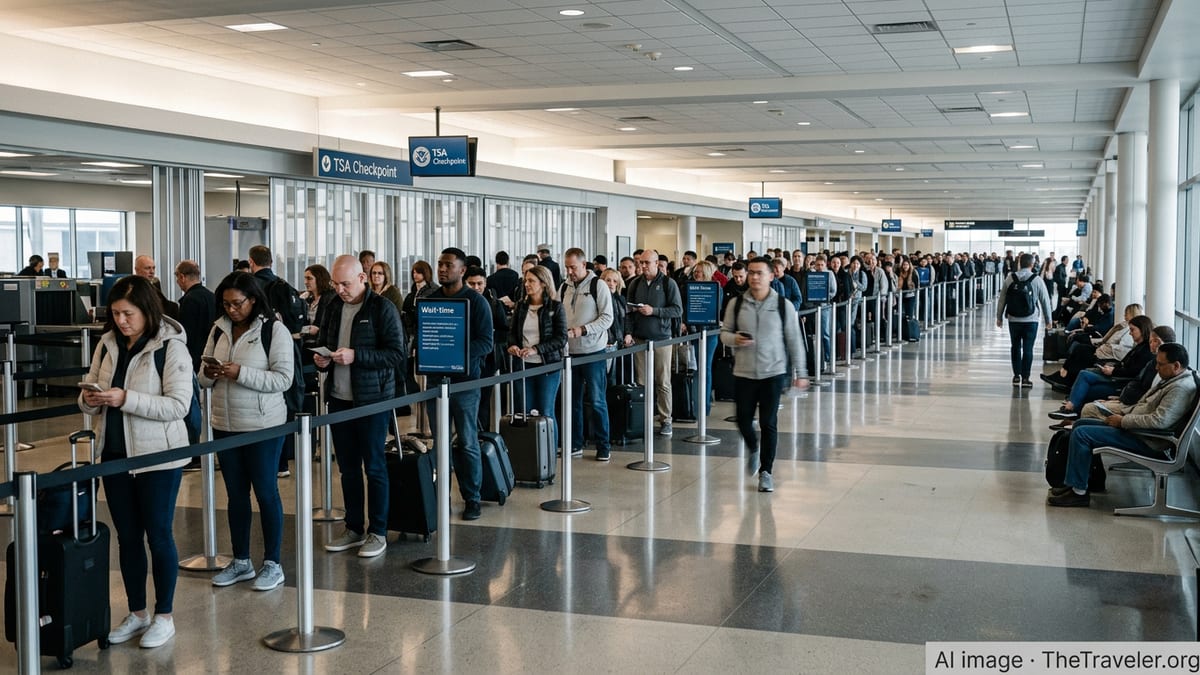
Fourteen strike days scheduled across July and August
According to recent industry reports, the walkouts involve security staff responsible for hold baggage screening at Aberdeen Airport, most of whom are represented by the Unite trade union. The dispute centres on pay and conditions at ICTS, the private contractor that provides key security functions at the terminal.
The strike calendar covers some of the busiest dates of the Scottish summer holiday season. Publicly available notices indicate that action is planned for alternating days across July, followed by a further date on 1 August. The pattern is expected to create recurring pressure on airport operations rather than a single short disruption.
Coverage in UK travel and regional outlets describes the action as a response to what union representatives view as an unacceptable pay offer after negotiations through the conciliation service Acas failed to reach agreement. The strike mandate reportedly received overwhelming backing in a workforce ballot, reflecting broader tensions across the UK aviation sector over pay, staffing and the cost of living.
Two separate pay disputes at Aberdeen Airport involving different staff groups have recently been settled, but reports indicate that the hold baggage screening workforce remains in dispute. This has focused attention on the critical role that these security teams play in maintaining passenger throughput during peak travel periods.
Significant delays expected at security and check in
Travel industry coverage of the planned action warns that passengers using Aberdeen Airport on strike days should be prepared for extended queues and slower processing through security. Unite-linked commentary suggests that the walkouts will cause significant delays because the affected staff make up a majority of the baggage screening operation.
When security personnel strike at airports, the impact typically ripples beyond the checkpoints themselves. Reduced screening capacity can force airlines to adjust check in opening times, cap passenger numbers on certain flights or re-time departures to avoid missed slot allocations. Past industrial disputes and operational incidents at other UK and European airports have shown how bottlenecks at security can quickly translate into knock on delays throughout the day.
Publicly available guidance from passenger rights organisations suggests that while airlines are obliged to assist with rebooking and care in the event of long delays, industrial action involving airport or ground staff may fall into a grey area under European and UK compensation rules. This means travellers could face disruption without always being entitled to automatic financial compensation, depending on how regulators interpret the circumstances.
For Aberdeen, which serves a mix of domestic routes, business traffic linked to the North Sea energy sector and leisure flights, disruption at the security stage is likely to be particularly sensitive. Airlines operating tight turnarounds may struggle to recover if early morning departures are delayed, increasing the risk of further schedule slippage into the afternoon and evening.
Advice for passengers travelling through Aberdeen
With the strike dates concentrated in July and stretching into early August, passengers with upcoming trips are being encouraged by travel advisers and consumer commentators to prepare for a less predictable airport experience. Several travel trade publications recommend arriving earlier than usual for departures on strike days, especially for families, groups and those checking in luggage.
Travellers are also being urged to monitor their airline’s communication channels closely in the days leading up to departure. Airlines may bring forward check in opening times, consolidate lightly booked flights, or introduce additional ground staff in an attempt to keep queues moving. These measures tend to be announced at short notice as operators assess how many staff are available on the day.
Passengers connecting from more remote parts of Scotland or from offshore work patterns are being advised to build in extra buffer time, as missed flights could be harder to rebook at short notice during the peak season. Travel insurance specialists usually highlight that strike action must be declared before a policy is purchased for disruption cover to apply, so those still arranging insurance are encouraged to check terms carefully.
Industry analysts note that simple steps such as travelling with hand luggage only where possible, pre printing or downloading boarding passes, and having liquids and electronics prepared for screening can help reduce processing times. However, they caution that individual preparedness can only mitigate disruption to a limited extent if core security staffing levels are significantly reduced.
Part of a wider pattern of aviation labour disputes
The Aberdeen action comes against a backdrop of industrial unrest across European aviation in 2025 and 2026, with strikes by ground handlers, security personnel and airline crews reported at major hubs from Paris to German regional airports. Labour organisations have repeatedly raised concerns about pay, staffing pressures and the impact of inflation on workers in safety critical roles.
Recent analysis from aviation and business outlets suggests that airports relying on outsourced contractors for security and baggage operations can be particularly exposed when disputes arise. Contracted teams often have different pay and conditions from directly employed airport staff, and negotiations may involve multiple corporate actors as well as unions and mediators.
Passenger experience groups argue that prolonged disputes risk undermining confidence in regional gateways that play an important role in local economies and tourism networks. They point to previous summers in which industrial action at other UK airports led to cancellations, lengthy queues and calls for more robust contingency planning.
For Aberdeen, the coming weeks will test the resilience of those contingency plans. Airport management and airline partners are expected to adjust rosters, open additional security lanes where possible and reprioritise resources to essential functions, but observers note that there are practical limits to what can be done when trained security specialists are unavailable.
What happens next in the ICTS pay dispute
Publicly available information indicates that Unite has left the door open to further talks with ICTS should an improved pay offer be tabled. Commentaries from union representatives suggest that strike dates could be withdrawn or amended if a negotiated settlement is reached before or during the planned action.
Industrial relations specialists note that strike calendars structured across multiple days are often designed to maintain pressure while allowing parties to return to the negotiating table between walkouts. The involvement of the conciliation service Acas in earlier rounds highlights the complexity of the discussions over pay levels and working conditions.
If no agreement emerges, the full sequence of 14 strike days is expected to proceed, keeping Aberdeen Airport under sustained operational strain through much of July. Travel industry observers will be watching closely to gauge how airlines adjust capacity, whether alternative routings via other Scottish airports see increased demand, and how quickly operations recover after each day of action.
For now, the key message from travel advisers is that anyone due to fly from Aberdeen on or around the strike dates should stay informed, plan ahead and be prepared for longer than usual time at the airport. As with many recent aviation disruptions, flexibility and up to date information are likely to be the most valuable tools for affected passengers.