


More news on this day
Vietnam has ordered an in-depth investigation into a Vietnam Airlines Boeing 787 incident at Munich Airport that led to an emergency landing, runway closure and widespread disruption, according to publicly available reports and government statements.
Get the latest news straight to your inbox!
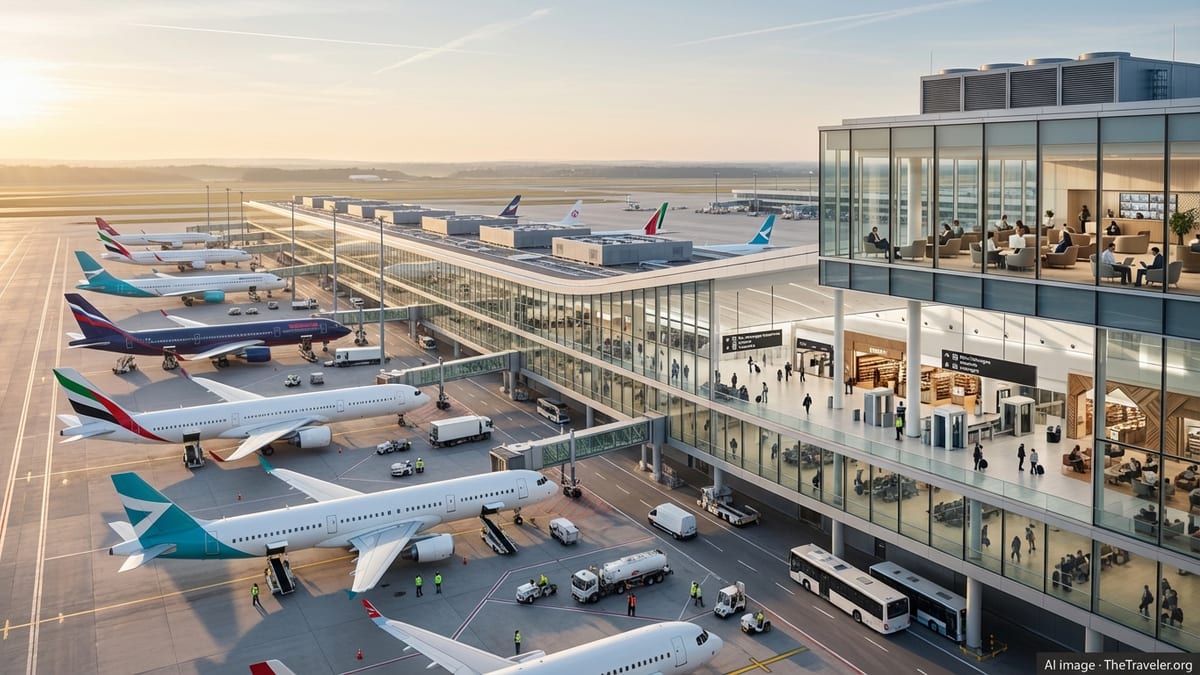
Emergency return and runway shutdown in Munich
Published coverage indicates that the incident occurred when a Vietnam Airlines Boeing 787-9 Dreamliner departing Munich for Hanoi experienced problems during takeoff, reportedly including a tail strike and suspected damage to the landing gear. The widebody aircraft subsequently entered a holding pattern near the Bavarian capital while crew and controllers assessed the situation.
Flight-tracking data and eyewitness accounts compiled by aviation media and enthusiast communities show that the jet circled the region for an extended period, dumping fuel to reach a safe landing weight before returning to Munich. On landing, images and reports circulating online point to multiple damaged main-gear tires and debris scattered along the runway.
Munich Airport temporarily closed one of its runways while emergency services responded and the aircraft remained on the pavement. Publicly available information from airline passengers and airport statements describes resulting delays, diversions and cancellations for other flights, as the closure reduced the hub’s capacity during the busy summer travel period.
There have been no reports of injuries among passengers or crew, but the episode drew immediate attention from regulators in Vietnam, Germany and the wider aviation community because of the severity of the damage and the operational impact at one of Europe’s key airports.
Hanoi orders probe into Vietnam Airlines operation
Vietnam’s Ministry of Transport and the Civil Aviation Authority of Vietnam have moved quickly to initiate a formal investigation into the circumstances of the Munich incident, according to official notices and domestic media coverage. Public documents describe a coordinated review involving the national regulator, Vietnam Airlines and relevant technical experts.
The inquiry is expected to examine flight preparations in Munich, including weight and balance calculations, takeoff performance planning, and the cockpit decision-making process from the start of the takeoff roll to the return and landing. Investigators are also likely to analyze flight data and cockpit voice recordings, as well as maintenance logs and any previous technical reports related to the aircraft involved.
According to Vietnamese press reports, authorities have requested that Vietnam Airlines submit a detailed internal analysis and cooperate with foreign counterparts. German aviation bodies will contribute information from their own on-site response, runway inspections and air traffic control records at Munich Airport.
The results of the probe will feed into the airline’s safety management system and national oversight processes. Public communications from Hanoi indicate that regulators intend to identify both immediate causes and any systemic contributors, with the stated goal of preventing a recurrence on Vietnam Airlines or other Vietnamese carriers.
Impact on Vietnam Airlines fleet and passengers
The Boeing 787-9 involved in the incident sustained significant structural and landing-gear damage, based on photographs and technical commentary shared by aviation specialists. Industry analysts suggest that extensive repair work will be required, potentially involving the airframe manufacturer and specialized maintenance facilities.
With one long-haul aircraft sidelined, Vietnam Airlines faces short-term network challenges on intercontinental routes. Public schedules and booking data show that the carrier has begun adjusting its operations, including swapping equipment on some services and consolidating frequencies on select European and Northeast Asian routes to maintain overall connectivity.
Passengers booked on affected flights have reported reroutings and schedule changes through online forums and social media posts. Travel industry observers note that Vietnam Airlines is navigating these disruptions at a time of strong demand for travel between Europe and Southeast Asia, which can limit spare capacity across the wider market.
Analysts indicate that the financial impact will include direct repair costs, potential aircraft leasing expenses, operational disruptions and compensation obligations under passenger rights regulations in various jurisdictions, including the European Union for itineraries touching Munich.
Safety record under renewed scrutiny
Vietnam Airlines has worked in recent years to position itself as a modern full-service carrier with an expanding widebody fleet and membership in a major global airline alliance. International safety assessments and publicly available audit results have generally placed Vietnam’s aviation sector on an upward trajectory, citing improvements in regulation, training and oversight.
The Munich incident nevertheless places the airline’s operational practices under renewed scrutiny. Aviation commentators have drawn parallels with earlier tail-strike and performance-related events involving carriers worldwide, emphasizing the importance of strict adherence to procedures for high-weight departures, especially on long-haul flights.
Industry experts expect the investigation to review crew training standards, simulator scenarios and line-check practices at Vietnam Airlines, particularly for Boeing 787 operations. Outcomes could include updated training modules, refreshed guidance on rejected takeoffs and rotation techniques, and closer monitoring of flight data for early warning signs of procedural drift.
Regulators in Vietnam are also expected to share key safety lessons with other domestic airlines. Published guidance from the Civil Aviation Authority of Vietnam already stresses the need for operators to maintain robust internal safety investigation systems and to adopt corrective measures that address both human factors and organizational issues.
Implications for travelers flying via Munich and Vietnam
For travelers, the most visible effects of the incident have been delays and reroutings on routes connecting Munich with Vietnam and other Asian destinations. Public airport information and airline advisories encourage passengers to check the status of their flights frequently, particularly for connections involving long-haul services and tight transfer windows.
Travel agents and corporate travel managers are monitoring the situation as Vietnam Airlines rebalances its long-haul schedule. Some are recommending additional buffer time for connections in Europe or alternative routings through other hubs in the region while the affected aircraft remains out of service.
Despite the disruption, aviation safety specialists point out that modern commercial air travel remains highly safe, and that serious incidents are investigated in depth precisely to capture lessons and strengthen safeguards. The detailed probe ordered in Vietnam, combined with technical input from European authorities and the aircraft manufacturer, is expected to inform operational refinements both at Vietnam Airlines and across the wider industry.
As investigators work through data and structural assessments continue on the damaged Boeing 787 in Munich, travelers and industry observers are watching for interim findings and any resulting operational changes on Vietnam’s flagship carrier in the months ahead.