


More news on this day
India is emerging as Asia’s leading hub for spiritual travel in 2026, with new data from Agoda’s latest Travel Outlook Report indicating that faith-based journeys are becoming a major engine of tourism growth across the country.
Get the latest news straight to your inbox!
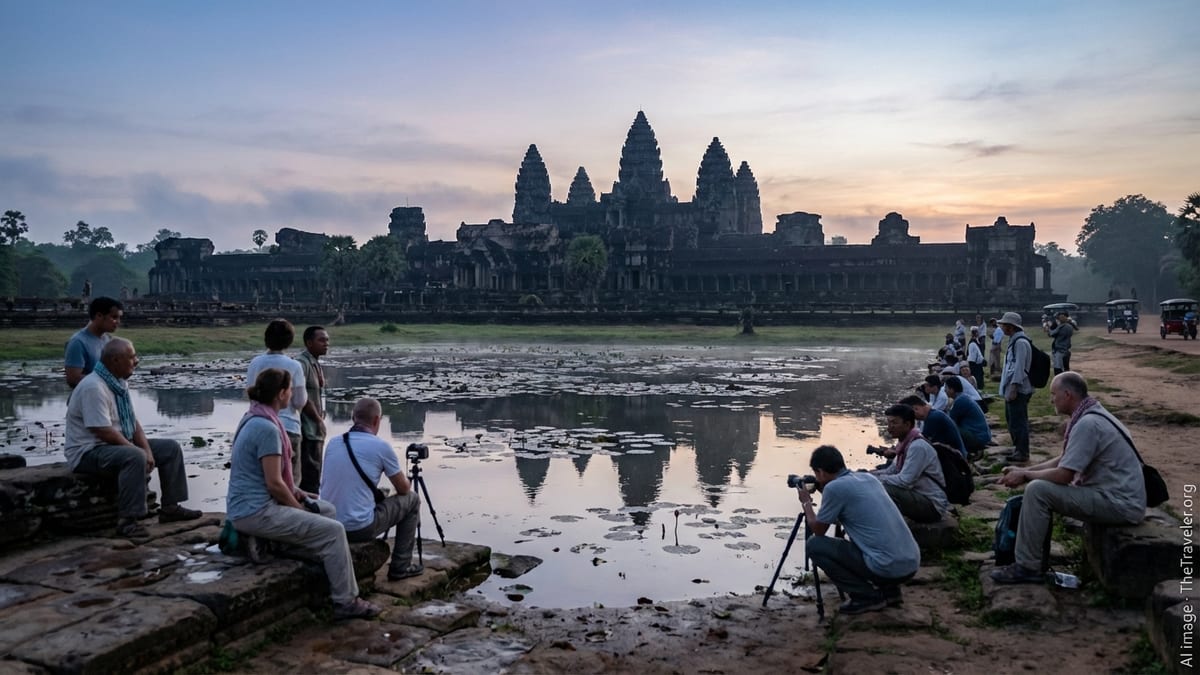
Agoda Data Shows India Outpacing Asian Peers in Spiritual Intent
According to publicly available summaries of Agoda’s 2026 Travel Outlook Report, nearly one in five Indian travelers, or about 19 percent of respondents, intend to undertake spiritually motivated trips this year. That share is reported to be the highest among nine Asian markets surveyed, placing India ahead of Indonesia, Malaysia, Japan, Thailand and other regional peers in terms of faith-driven travel intent.
The report’s findings are based on thousands of survey responses across Asia, pointing to a structural rather than marginal shift in travel motivations. Analysts note that in India, spiritual considerations are not simply an add-on to leisure plans but are increasingly the primary reason for choosing destinations, timing and trip length.
Industry coverage of the Agoda data suggests that this surge in spiritual intent aligns with broader post-pandemic trends. Indian travelers are placing more emphasis on meaning, emotional reset and cultural rootedness when they travel, creating strong demand for pilgrimage circuits, temple towns and festival-linked journeys.
Commentary on the report also indicates that India’s leadership in spiritual travel is part of a wider repositioning of the country within Asian tourism. As more travelers across the region seek experiences anchored in heritage and belief, India’s deep reservoir of sacred sites and rituals is turning into a competitive advantage.
Pilgrimages and Mega Events Drive Booking Surges
Travel trade coverage of the Agoda report highlights how large-scale religious gatherings and pilgrimages are translating spiritual intent into concrete tourism demand. During the Maha Kumbh Mela in Prayagraj in 2025, accommodation searches on Agoda reportedly surged by more than 200 percent compared with the previous edition, signaling intense interest in one of the world’s largest religious gatherings.
Similar spikes are being recorded around festival-linked travel. Reports indicate that searches for accommodation in Pushkar during Holi 2026 jumped by close to 200 percent, while Vrindavan and Mathura also saw triple-digit growth in interest. These patterns suggest that India’s religious calendar is increasingly doubling as a tourism calendar, with peaks in demand closely following key spiritual events.
Such surges have knock-on effects across the tourism value chain, from transport and hospitality to local retail and informal services. Towns that host major pilgrimages are reporting sustained interest beyond the core festival period, as travelers extend stays or return at quieter times for more reflective visits.
Observers note that these flows are no longer limited to older pilgrims. Younger domestic travelers and regional visitors are reportedly combining faith practices with photography, food exploration and short leisure excursions, broadening the profile of spiritual tourists and expanding the range of services they seek.
Economic Impact Felt in Tier 2 and Tier 3 Destinations
The rise of faith-based travel is particularly significant for smaller cities and rural districts that host many of India’s major shrines and sacred landscapes. Tourism-focused publications analyzing Agoda’s data point to growing hotel development, homestay registrations and transport services in tier 2 and tier 3 locations along pilgrimage routes.
Local economies benefit from higher occupancy, increased spending in markets and restaurants, and new demand for guided experiences. As spiritual travelers often travel in family groups or community clusters, per-trip spending can be substantial even when individual budgets are modest.
Recent hospitality sector analyses presented at regional investment conferences have underlined that domestic travel now forms the backbone of India’s lodging demand. Within that, faith-linked journeys are emerging as one of the most resilient segments, continuing to generate traffic even when discretionary leisure travel softens in response to economic uncertainty.
This resilience is encouraging tourism boards and private operators to prioritize infrastructure upgrades around spiritual destinations. Improvements in roads, sanitation, crowd management and signage, designed primarily for pilgrims, are also making these areas more accessible to secular cultural tourists.
Digital Platforms Reshape How Spiritual Journeys Are Planned
The 2026 Agoda Travel Outlook Report also underscores the growing role of digital tools in shaping spiritual travel. More Indian travelers are using online platforms to search for temple-town stays, compare prices during festival periods and secure last-minute rooms near popular shrines.
Travel industry reporting notes that spiritual travelers increasingly expect real-time information about opening hours, crowd levels, local transport and basic amenities. Platforms that aggregate such data and tie it to bookable inventory are gaining influence over when and where pilgrims choose to go.
Agoda’s broader research on Indian travel behavior points to a strong appetite for smart spending and shorter, more frequent getaways. When applied to spiritual tourism, this translates into four to seven day trips that blend temple visits with nearby nature escapes or city breaks, often optimized around deals surfaced through price-comparison tools.
Experts following digital adoption trends add that Indian travelers are among Asia’s most open to using artificial intelligence to plan itineraries. This is expected to extend to faith-based journeys, with travelers seeking AI-driven suggestions for optimal routes, lesser-known shrines and quieter time slots for darshan and meditation.
Challenges and Opportunities for Sustainable Spiritual Tourism
While the Agoda data presents a compelling growth story, it also highlights the need to manage spiritual tourism sustainably. Rapid increases in visitor numbers to fragile temple towns, riverfront ghats and hill shrines raise concerns about congestion, waste management and stress on heritage structures.
Policy papers and industry reports on India’s tourism sector have emphasized that spiritual travel cannot expand indefinitely without attention to carrying capacity. Recommendations include better dispersal of visitors across multiple sites, timed entry systems for peak rituals and incentives for eco-friendly accommodations near sacred zones.
At the same time, spiritual tourism is seen as a powerful tool for inclusive development. When managed carefully, faith-based circuits can support livelihoods in less industrialized regions, preserve traditional arts and rituals, and encourage investment in public infrastructure that benefits residents year-round.
Observers suggest that the momentum captured in Agoda’s 2026 Travel Outlook Report may push more stakeholders in India to view spiritual travel as both an economic opportunity and a stewardship responsibility. How effectively the country balances these dimensions is likely to determine whether its current status as Asia’s leader in spiritual tourism becomes a long-term, sustainable advantage.