


More news on this day
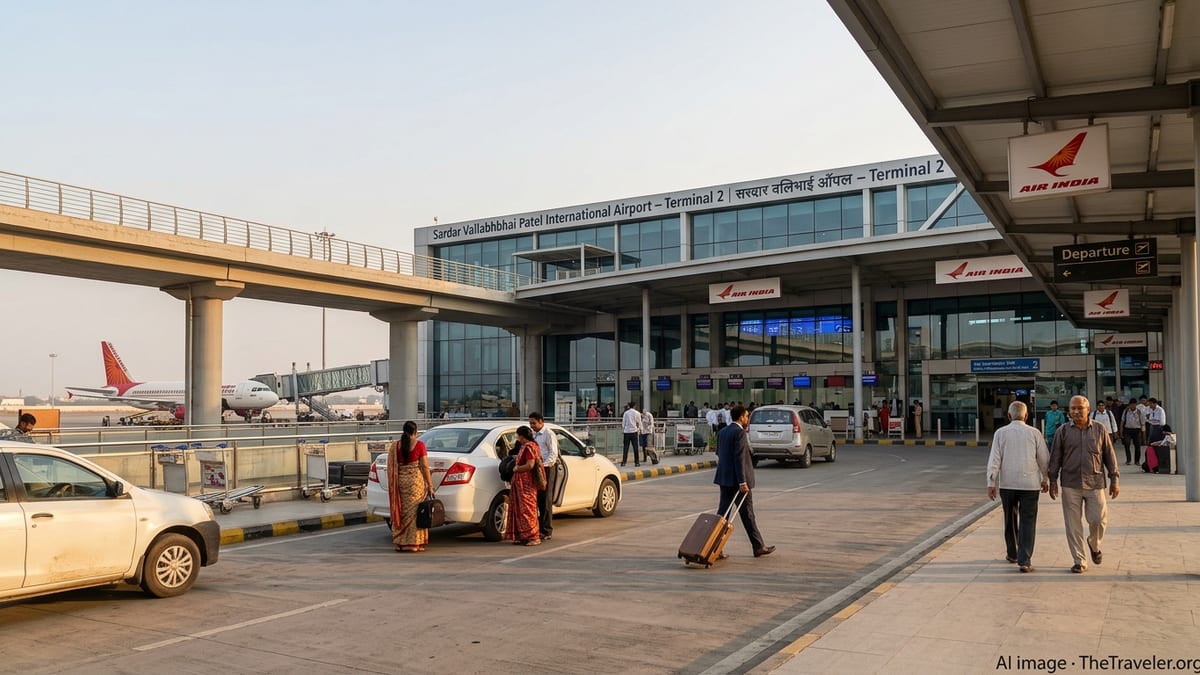
Hundreds of Diwali holidaymakers have seen travel plans collapse at Ahmedabad’s Sardar Vallabhbhai Patel International Airport this week, as a cluster of last minute cancellations, rolling delays and crowded terminals left families stranded at the start and end of the festive break.
Get the latest news straight to your inbox!
SpiceJet disruptions trigger festive travel turmoil
Published local coverage indicates that the worst disruption has centred on SpiceJet services from Ahmedabad in the days around the Diwali peak. On November 7, multiple SpiceJet departures from Sardar Vallabhbhai Patel International Airport were reported cancelled or heavily delayed, forcing passengers to wait for hours in the terminal and scramble for alternative connections as the holiday week began.
One Ahmedabad based outlet described Diwali vacations as being “in limbo” after several SpiceJet flights did not operate on November 7, including routes to leisure and tier two city destinations that are popular with festive travellers. Passengers reported long waits for information at departure gates and limited options to rebook on the same day, as nearby services were already close to full due to the seasonal rush.
Further issues were reported on November 8 and 9. English language reporting from Gujarat noted that around 189 passengers on a SpiceJet flight from Ahmedabad to Srinagar were left in the terminal for more than 12 hours after their aircraft failed to depart as scheduled. The delay, attributed in local coverage to an apparent fuel supply or operational problem, meant many travellers lost hotel nights and prebooked sightseeing during one of Kashmir’s busy tourism periods.
The disruption culminated in the cancellation of a SpiceJet flight from Ahmedabad to Dubai on November 13, affecting both outbound holidaymakers and migrant workers returning to the United Arab Emirates after Diwali visits. Regional media described passengers from Gujarat, Bihar and Rajasthan waiting in the international terminal with checked luggage but no clear indication of when a replacement service would be arranged.
IndiGo cancellations add to passenger anger
SpiceJet has not been the only carrier drawing scrutiny during the festive week. Reports from Ahmedabad on November 12 indicated that IndiGo cancelled two regional flights at short notice, including services from Ahmedabad to Nashik and Bhopal. Travellers bound for Nashik were reportedly informed of the cancellation only about an hour before departure, after completing security checks and baggage drop.
Witness accounts published in local news described passengers gathering in the terminal concourse to seek explanations and rebooking options, with some alleging that alternative routings would have reached their destinations only late at night. Those heading to Bhopal faced similar uncertainty, compounding frustration among flyers who had chosen shorter regional flights specifically to maximise time with family during Diwali.
The cancellations came against a backdrop of already high demand for seats across India’s domestic network. Industry trackers show that departures from Ahmedabad have grown in recent years, and the airport ranks among the country’s ten busiest by passenger numbers. As a result, same day alternatives on competing airlines are often expensive or fully booked in the middle of the festive rush.
Passenger rights platforms monitoring the situation have highlighted that some travellers affected by long delays or cancellations arising from operational issues could potentially seek compensation or refunds under applicable regulations or airline policies. However, entitlement varies depending on the cause of disruption, route and ticket conditions, and many stranded flyers in Ahmedabad appear to have focused first on simply finding a way to salvage their holiday plans.
Holiday rush strains Ahmedabad’s growing aviation hub
The recent chaos has unfolded during one of the busiest periods of the year for Ahmedabad’s airport, which serves as the main air gateway for Gujarat. The facility handled more than nine million passengers in the most recently published annual figures, and Diwali week consistently produces some of its highest daily footfall.
Local press reports for this Diwali season cited airport footfall reaching tens of thousands of passengers per day, with 18 domestic and international flights reportedly delayed or cancelled over the weekend of November 7 and 8 alone. Travellers described long queues at check in and security, crowded boarding areas and pressure on basic amenities as people waited for updates on delayed departures.
In anticipation of congestion, the airport operator had issued a Diwali travel advisory in early November urging passengers to arrive well before scheduled departure times and to factor in potential road traffic around the terminal. The notice also encouraged use of online check in and early baggage drop where available, reflecting concerns that landside bottlenecks could spill over into missed flights and operational challenges for airlines.
The disruptions have drawn renewed attention to ongoing expansion and upgrade works at the airport, particularly at Terminal 2, which handles the bulk of domestic and all international services. Earlier corporate communications and press coverage have noted that construction activity and evolving layouts can slow passenger flows at peak times, increasing the impact of any schedule irregularities when terminals are already close to capacity.
What stranded Diwali passengers are facing on the ground
Accounts from Ahmedabad published in regional outlets describe a difficult few days for travellers caught up in the disruption. Families with young children and elderly relatives have been depicted waiting for hours in crowded seating areas, sometimes overnight, as they sought information about whether flights would eventually depart or be formally cancelled.
Some reports highlight complaints about limited access to basic facilities during extended delays, including challenges finding food options late at night and a shortage of clear communication on revised departure times. Travellers with connecting itineraries, such as domestic to international links or onward train journeys, faced particular stress as missed connections threatened to unwind carefully planned holiday schedules.
For passengers booked to tourist destinations such as Srinagar or flying internationally to Dubai and other Gulf hubs, the financial impact of cancellations has been sharper. Prepaid hotel reservations, local tours and onward tickets are often non refundable or only partially refundable, increasing the cost burden when an initial sector from Ahmedabad is delayed for many hours or does not operate.
At the same time, aviation observers point out that Diwali coincides with the onset of the winter operating season in northern India, when factors such as fog and low visibility at some airports, air traffic congestion and tight aircraft rotations can make schedules more vulnerable. In Ahmedabad’s case this year, publicly available information suggests that a cluster of operational and commercial decisions by individual airlines has amplified the seasonal strain felt by passengers.
Guidance and options for affected flyers
For those still navigating the aftermath of Ahmedabad’s Diwali flight chaos, consumer advocates recommend documenting all disruption related expenses, including hotel stays, meals and surface transport, in case reimbursement becomes possible. Screenshots of airline notifications, boarding passes and any written communication at the airport may assist later claims, especially where cancellations or long delays are linked to operational reasons within an airline’s control.
Travellers are also being advised in public guidance materials to check directly with airlines for rebooking options rather than relying solely on third party travel agents, as additional capacity or temporary waivers may be offered on a carrier’s own channels first. When services are cancelled close to departure, many airlines provide the choice between a full refund and free rebooking on the next available flight, though seat availability around Diwali is limited on some popular routes.
Looking ahead to the remainder of the holiday season, information circulated by the airport and industry groups stresses the importance of allowing extra time at Sardar Vallabhbhai Patel International Airport, particularly for early morning and late evening departures when queues can be longest. Arriving well ahead of check in closure, completing web check in where possible and travelling with flexible plans are being promoted as practical ways to reduce the risk of missing flights if further bottlenecks occur.
While the immediate priority for many passengers remains reaching their destinations, the scale of the disruption has also renewed discussion about capacity, contingency planning and passenger care standards at one of western India’s key aviation hubs. The Diwali episode in Ahmedabad is likely to inform future policy debates on how airlines and airports manage peak season operations as India’s air travel market continues to expand.