


More news on this day
Holiday travel in the United States opened on November 13, 2026 under an unusual level of strain, as a nationwide ground stop for all departing flights coincided with ongoing global security warnings and mounting pressure on aviation infrastructure ahead of the Thanksgiving rush.
Get the latest news straight to your inbox!
Nationwide Ground Stop Disrupts Early Holiday Departures
Publicly available air traffic notices and news coverage show that the Federal Aviation Administration ordered a nationwide ground stop for all departing flights on Friday, November 13, citing widespread communication problems at multiple air route traffic control centers. The halt marked one of the most disruptive single-day interruptions to U.S. air travel in years just as peak holiday movements begin to build.
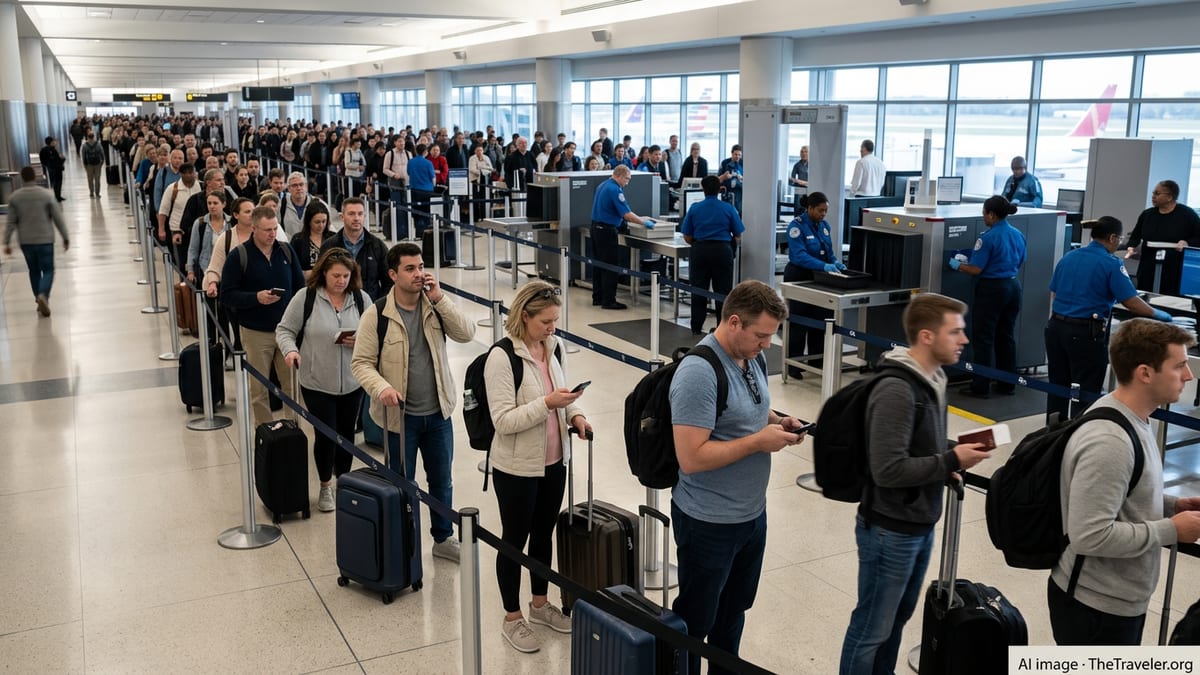
Reports from major outlets indicate that the order paused departures across the country while inbound international flights were managed individually based on local conditions. Aviation advisories and social media feeds from travelers describe aircraft held at gates, long queues at security checkpoints and cascading delays projected throughout the afternoon and evening.
According to the FAA’s publicly posted daily air traffic report for November 13, the system was already contending with weather impacts in Chicago and other hubs before the communication failure emerged. The combination of routine congestion, seasonal storms and an unexpected systems issue significantly reduced capacity at the very start of the 2026 holiday travel window.
Operational data referenced in recent Federal Register notices has highlighted ongoing constraints at high-volume airports such as Chicago O’Hare and Newark related to staffing, construction and telecommunications challenges. The November 13 disruption reinforced concerns that even a single technical problem can ripple rapidly across a tightly scheduled national network as passenger volumes climb into the tens of millions.
Record Passenger Volumes and Staffing Strains at Airports
Industry group projections indicate that U.S. airlines expect to carry nearly 29 million passengers over the Thanksgiving holiday period from November 20 to November 30, 2026. Airlines for America, which represents major U.S. carriers, has noted in recent statements that this demand surge is unfolding at the same time jet fuel costs remain elevated and federal budget negotiations raise the prospect of a government shutdown in December.
In a November update, Airlines for America warned that a lapse in federal funding next month could require essential aviation personnel such as air traffic controllers and Transportation Security Administration screeners to work without pay, adding stress to an already stretched system. The group has framed stable staffing and funding as critical to preserving a safe and reliable travel experience during the year’s busiest flying period.
Closer to the checkpoint lines, airport-focused coverage on local outlets around the country shows TSA leaders urging travelers to arrive early, pre-enroll in trusted traveler programs where possible and check current rules on carry-on items and identification before heading to the airport. Guidance emphasizes leaving additional time for parking, check-in and security screening, particularly during early morning and late afternoon peaks.
Federal aviation resources highlight a zero-tolerance policy toward disruptive passengers and direct travelers to track airport conditions before leaving home. With the November 13 communications failure underscoring how quickly schedules can shift, same-day monitoring of departure boards and airline alerts is emerging as a core security and reliability practice rather than a convenience.
Global Security Advisories Shape International Holiday Plans
Beyond domestic system pressures, American travelers heading abroad for the holidays are facing a layered set of security considerations. The U.S. State Department’s current Worldwide Caution, updated in July 2026, advises Americans to exercise increased vigilance globally in light of persistent risks that include terrorism, regional conflict and potential attacks on transportation infrastructure.
Country-specific advisories list several destinations at Level 3, meaning travelers are urged to reconsider plans, and Level 4, where travel is discouraged entirely. Recent updates for parts of the Middle East, including Saudi Arabia, cite missile and drone attacks on civilian airports and other critical facilities as sources of severe disruption and potential civilian casualties.
Recent congressional research and State Department guidance describe how the Worldwide Caution and associated security alerts are intended to flag universal risks, while individual country pages provide more granular information on local conditions, demonstration trends and transportation reliability. International travelers are encouraged through publicly available advisories to review these materials closely before booking flights or transiting through regional hubs.
Travel industry analyses note that these alerts do not bar travel outright but may influence insurance coverage, corporate travel approvals and airline scheduling decisions. For holidaymakers planning multi-stop itineraries or long-haul connections, routing through regions with stable security assessments and multiple alternative flights has become an important resilience strategy.
Urban Congestion, Local Alerts and Surface Travel Risks
Security considerations for holiday travel in 2026 are not limited to aviation. Municipal transportation advisories and private-sector alert services point to rising crime risks, congestion and special security operations in major U.S. cities that can affect journeys to and from airports, train stations and bus depots.
New York City’s Department of Transportation has designated several “Gridlock Alert” days in late November and December, including dates around Thanksgiving when cross-town car trips can become highly unpredictable. These advisories indicate that intensive traffic, construction embargoes and event-related street closures are expected, and that law enforcement and transportation agencies may impose additional checkpoints, detours or temporary restrictions in response to security needs.
Travel risk bulletins compiled by corporate security and consultancy firms highlight reports of increased vehicle break-ins and theft in some downtown districts of Washington, D.C. and other urban centers. While such alerts are geographically specific, they underline the importance of securing luggage in transit, avoiding leaving valuables in parked cars near tourist attractions and factoring extra time into transfers between surface transport and flights.
For travelers who switch to driving to avoid air delays, state and local notices about severe weather, road construction and holiday enforcement campaigns remain key parts of the security picture. Public guidance from emergency management agencies stresses seat belt use, sober driving and attention to real-time traffic and weather alerts as core elements of safe seasonal mobility.
How Travelers Can Navigate a High-Alert Holiday Season
Publicly accessible federal resources on holiday travel, including FAA and emergency management guides, stress planning, information and patience as central to managing a season shaped by high demand and evolving security risks. Authorities encourage passengers to register for airline notifications, review airport status tools, and sign up for local alert systems that provide updates on severe weather, major incidents and infrastructure disruptions.
Domestic flyers on November 13 experienced firsthand how quickly a technical issue can evolve into nationwide disruption. Analysts expect knock-on effects from the ground stop to linger for at least part of the weekend, with aircraft and crews out of position even after communication systems are restored. For travel later in November, schedule buffers, flexible tickets and a willingness to accept alternative routings may reduce the impact of future interruptions.
International travelers are urged in official advisories to maintain updated contact information with their airline, monitor local news in transit countries and consider enrolling in government traveler enrollment programs that distribute security updates by email or text. In regions under heightened alert, steering clear of large gatherings, monitoring airport and airline announcements and maintaining awareness of surrounding conditions at transport hubs are emphasized as practical risk-reduction steps.
As the 2026 holiday season begins under the shadow of a nationwide ground stop and a standing global security warning, the travel environment remains fluid. Publicly available guidance converges on a single theme: those who prepare carefully, stay informed and remain flexible are better positioned to move safely through an unusually complex landscape of operational and security challenges.