


More news on this day
AIDA Cruises, the German-market brand within Carnival Corporation, is drawing growing numbers of international travelers who want to explore Europe while experiencing a distinctly German style of cruising.
Get the latest news straight to your inbox!
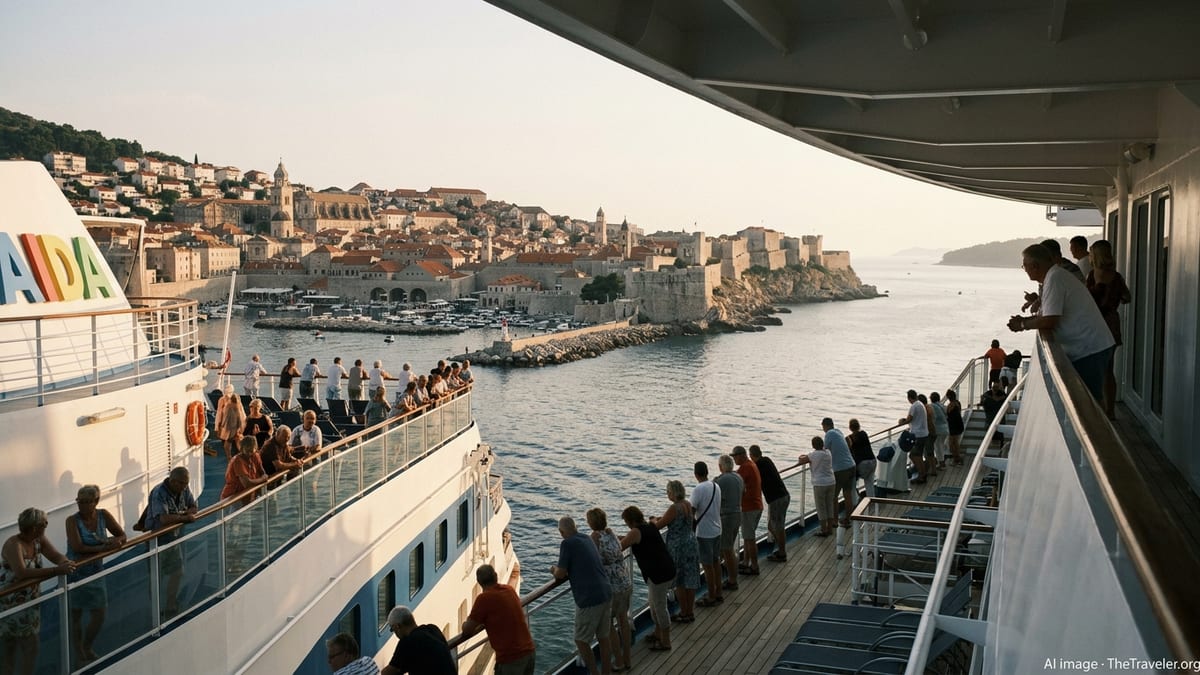
A German Cruise Line Opening Up to the World
AIDA Cruises was created for German-speaking holidaymakers, but its ships are increasingly attracting guests from North America, Asia and other parts of Europe who are comfortable navigating a primarily German-language environment. Publicly available information shows that AIDA positions its vessels as informal “club resort” ships, with a relaxed dress code, large spa areas and an emphasis on active, social onboard life rather than formal nights.
The fleet, based in Rostock, currently serves a wide range of itineraries across Europe and beyond, but the core strength remains Northern Europe and the Mediterranean. Cruise industry schedules for 2025 and 2026 indicate dense deployment in the Norwegian fjords, Baltic Sea, Canary Islands and classic Mediterranean routes, often sailing roundtrip from German ports such as Hamburg, Kiel and Warnemünde. This homeport pattern reflects the line’s roots and offers international guests a practical way to combine a city break in Germany with a wider European cruise.
Recent deployment announcements highlight that AIDA is planning hundreds of sailings in Europe in the coming seasons, including short three- and four-night breaks and longer voyages of up to two weeks. These range from intensive Norwegian fjord journeys that reach UNESCO-listed landscapes to Southern European sun-seeking itineraries linking Italy, Spain and the Greek islands. For visitors looking to experience Europe “the German way,” AIDA’s program offers both geographic breadth and a strong sense of local travel culture on board.
Because AIDA primarily targets German speakers, English-language information on some ships may be more limited than on North American brands. However, reports from travelers and agency briefings suggest that safety announcements are multilingual and many crew members communicate comfortably in English, especially at guest services, bars and reception. International passengers who arrive with realistic expectations about the language mix often view that cultural immersion as part of the appeal.
European Itineraries From Fjords to the Med
For international tourists, AIDA’s Northern Europe routes are a major draw. Cruise schedule data for 2025 and 2026 show several ships spending summers in the Norwegian fjords and the Baltic region, sailing from German ports to destinations such as Geirangerfjord, Nærøyfjord and coastal towns across Scandinavia and Iceland. Industry coverage notes that some itineraries even venture inside the Arctic Circle, adding chances to experience midnight sun in summer and, on select shoulder-season trips, the Northern Lights.
Baltic Sea and North Sea programs typically connect German departure ports with cities such as Copenhagen, Stockholm and Tallinn, as well as smaller ports along the Danish and Swedish coasts. While regional regulations have tightened access for larger ships in parts of the fjords, cruise listings indicate that AIDA continues to feature high-scenery routes using vessels sized and scheduled to comply with evolving environmental limits. This keeps the line competitive with other European brands for dramatic coastal cruising.
Farther south, AIDA maintains a strong presence in the Mediterranean. Travel platforms tracking AIDA’s deployment show year-round or extended-season operations to Spain, Italy, France and the Greek islands, sometimes combining marquee ports such as Barcelona, Rome and Athens with lesser-known islands and secondary harbors. In winter, several ships move to the Canary Islands, Western Mediterranean or longer repositioning cruises that begin or end in European ports but continue toward the Caribbean, Arabian Gulf or Indian Ocean.
This wide geographic spread allows international travelers to use AIDA as a hub for multi-country exploration without having to constantly pack and unpack. It also mirrors the preferences of German vacationers who favor structured itineraries with clear timetables, which can be reassuring for visitors making their first extended trip through Europe.
Onboard Life: German Language, Casual Atmosphere and Dining
Day-to-day life on an AIDA ship reflects German holiday culture more than the North American style many international cruisers may know. Entertainment schedules, daily programs and announcements are predominantly in German, and published FAQs emphasize that the brand is designed around that market. International guests who embrace this will find a casual environment with live music, themed parties and wellness offerings, as well as children’s clubs and teen spaces on the larger ships.
Dining on AIDA also differs from the traditional main-dining-room model. Public descriptions of the product highlight multiple large buffet restaurants as the backbone of the food experience, often with open seating and beverages such as table wine and beer included in some tariff options during mealtimes. Specialty restaurants, from steakhouse concepts to sushi bars and a la carte venues, are available for an extra charge. The overall approach is aimed at flexibility and informality, with many guests dining at different times each evening rather than adhering to fixed sittings.
Beverage packages and tariff models have been updated for future seasons, with company communications indicating a new fare system for bookings made from mid-July 2025 onward. While details vary by ship and sailing, the general pattern is that some drinks and services are bundled into higher-priced packages, while a basic fare covers full-board dining and entertainment. International travelers are advised, based on travel agency guidance, to review carefully which tariff they are booking to avoid surprises on board.
Dress codes remain relaxed, focusing on smart-casual attire in the evenings and practical clothing for excursions. Compared with some premium or luxury lines, there is often less emphasis on formal nights and more on themed events and live shows. For many visitors, this aligns well with a European city-break mindset rather than a traditional cruise gala experience.
Shore Excursions and Practical Tips for Non-German Guests
AIDA’s shore-excursion program is an important part of the experience for tourists using the line as a platform to explore Europe. The company’s published FAQs state that ground transportation used on organized tours is regularly checked under the supervision of shore operations staff during the season. Excursions range from panoramic coach tours and guided city walks to active options such as hiking, cycling and kayaking, especially in ports along the fjords and in the Mediterranean.
For non-German speakers, language is a key practical consideration. Online traveler accounts and discussion forums frequently point out that some excursions are conducted exclusively in German, which can limit value for international guests. Booking channels usually identify the tour language, so observers recommend choosing excursions labeled as bilingual or English-friendly where available, or arranging private tours ashore when a suitable option is not offered through the ship.
Gratuity expectations also differ from those on North American lines. Industry overviews of European tipping practices note that many continental travelers do not expect the same automatic service charges common in the United States. AIDA’s approach is closer to the broader European model, with less overt pressure around tipping and more reliance on upfront pricing. International guests should still check their individual booking documents, as service fees and included items can vary by tariff and itinerary.
Because AIDA sails heavily from German ports, boarding and disembarkation procedures, signage and terminal announcements may be weighted toward German as well. However, major European cruise terminals are accustomed to multinational crowds, and English is widely spoken by port staff. Allowing extra time at embarkation, keeping travel documents handy and reviewing pre-cruise materials in advance help smooth the process for first-time visitors.
Sustainability, Technology and the Future of AIDA in Europe
Sustainability has become a prominent theme in AIDA’s public communications and is increasingly relevant to international travelers choosing European cruises. Company press material and sustainability reports indicate that the line operates several ships capable of running on liquefied natural gas and is expanding its use of certified bio-LNG on at least one flagship, especially in ports such as Hamburg, Kiel and Zeebrugge. The brand also reports growing use of shore power connections, allowing ships to plug into the local grid while in port rather than relying on onboard engines.
Environmental organizations and industry associations continue to scrutinize emissions in sensitive areas such as the Norwegian fjords and Baltic Sea. In response, AIDA and other lines have adapted itineraries and invested in cleaner technologies to meet new regulations, including wastewater and air-quality standards. For eco-conscious travelers, these developments provide more options to balance the desire to see remote European landscapes with concerns about maritime impacts.
Looking ahead, fleet plans published by cruise analysts and shipyards indicate further expansion for AIDA, including at least one new vessel ordered from an Italian builder for delivery later in the decade. Deployment previews suggest that Europe will remain the backbone of the brand’s operations, even as winter seasons continue to feature more distant regions such as the Caribbean, Indian Ocean and Arabian Gulf.
For international tourists, this means that AIDA is likely to play a continued role as a gateway to European coastal destinations, offering a distinctly German onboard culture combined with increasingly modern hardware and environmental initiatives. Travelers prepared to navigate the language mix, tariff structure and excursion options can use the line as an efficient, immersive way to experience Europe from the North Cape to the Canary Islands.