


More news on this day
As jet fuel prices surge and motorists brace for new volatility at the pump, 2026 is emerging as a pivotal year in which energy costs and political messaging collide, with Indian Prime Minister Narendra Modi’s long standing calls to curb fuel dependence offering an unexpected reference point for travelers recalibrating their plans.
Get the latest news straight to your inbox!
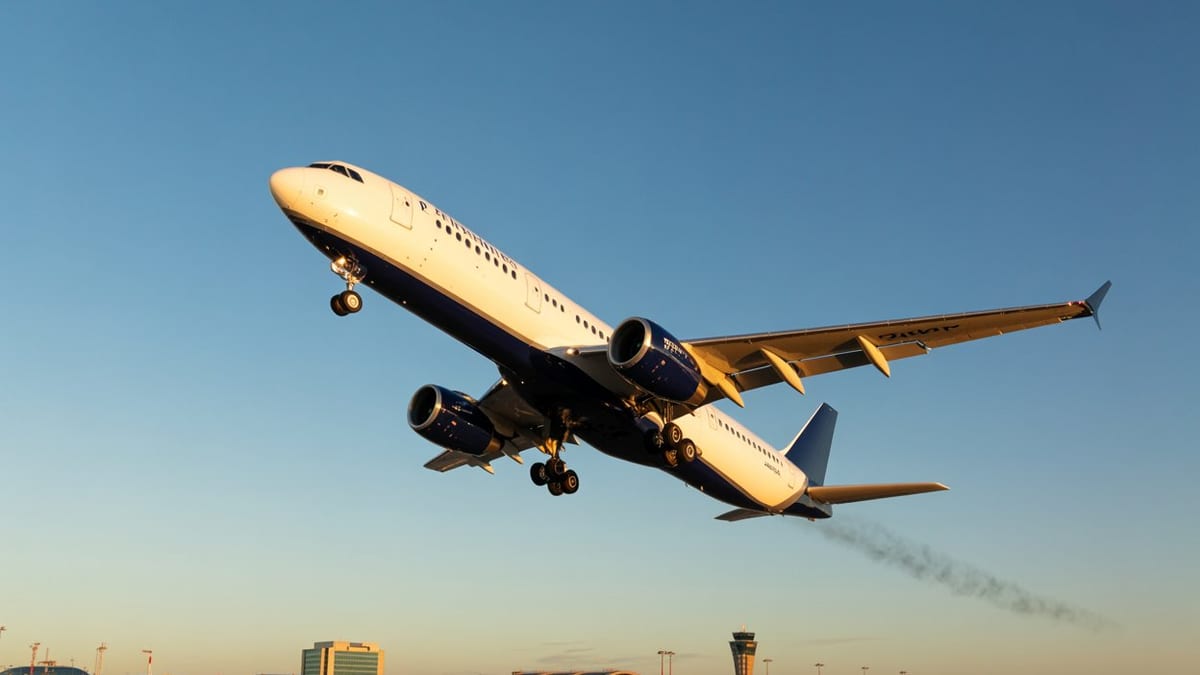
Fuel Markets in 2026: A Volatile Backdrop for Global Travel
Travelers entering 2026 are confronting an energy market that looks very different from forecasts issued only a year earlier. International aviation bodies and industry analysts had expected a relatively contained fuel environment, with jet fuel prices easing slightly after the post pandemic recovery. More recent analysis shows that spot prices for aviation fuel have jumped well above those assumptions, driven in part by renewed geopolitical tension in the Middle East and concerns about the security of global oil supplies. For airlines that rely heavily on fuel intensive long haul routes, the shift is feeding quickly into ticket prices and ancillary fees.
Industry outlooks published in late 2025 projected record nominal profits for airlines in 2026 but warned that margins would remain thin because fuel and other operating costs were still elevated. Subsequent commentary from ratings agencies and aviation research groups indicates that the latest spike in jet fuel has tightened the squeeze. Carriers in North America, where fuel hedging is less common, are seen as particularly exposed, while some European airlines benefit from more extensive hedging but still pass higher structural costs on to passengers.
Parallel pressures are emerging on the ground. The global crude market has been rattled by shipping disruptions and sanctions debates, with analysts highlighting the possibility of oil prices hovering at higher levels than previously projected. These conditions have reignited public debate in many countries over the taxes and levies embedded in pump prices. For travelers who rely on road trips and self drive itineraries, the combination of higher base fuel prices and policy driven costs is now a central factor in planning for 2026.
Business travel forecasts compiled by major travel management firms point to airfares that remain above pre pandemic averages, even as capacity gradually expands. Reports indicate that constrained seat supply, elevated fuel bills and the costs of meeting environmental requirements are all keeping a floor under prices. For leisure travelers, this means that the traditional strategy of waiting for last minute discounts looks increasingly risky in a year when energy remains one of the most volatile line items in the travel economy.
Modi’s Long Running Message: Cut Oil Dependence, Embrace Alternatives
Against this backdrop, public interventions by Prime Minister Narendra Modi on energy use and fuel imports take on added resonance. Since his first term, Modi has repeatedly framed India’s heavy reliance on imported crude oil as both an economic vulnerability and a strategic concern. Government speeches and policy documents have emphasized the need to reduce the share of imported energy in India’s overall consumption, highlighting the impact that global oil swings can have on domestic inflation, transport costs and household budgets.
In recent years, that message has focused increasingly on alternative fuels and efficiency. Publicly available information on India’s energy strategy shows a strong push toward blending ethanol with petrol, expanding electric mobility and encouraging mass transit. Officials have argued that diverting part of the transport fuel mix to domestically produced biofuels can cushion consumers from price spikes tied to overseas crude markets, while also supporting rural incomes through new demand for feedstocks. The policy has been framed as a way to keep per litre costs more stable even during episodes of global turmoil.
The government has also used symbolic measures to signal responsiveness to public concern over fuel costs, including occasional reductions in petrol and diesel prices and adjustments to excise duties. Coverage in Indian media outlets describes these moves as part of a broader balancing act between fiscal needs and consumer relief. While critics question how far such steps go in offsetting earlier tax increases, they underscore a consistent theme in Modi’s public advice: that households and businesses should prepare for a world where cheap fuel cannot be taken for granted.
By tying energy thrift and diversification to national self reliance, Modi has effectively turned personal fuel choices into a form of economic citizenship. Appeals to reduce unnecessary consumption, favor more efficient vehicles and support domestic alternatives have been staples of his public messaging. For travelers in India and abroad, that message aligns with a wider global trend in which governments encourage citizens to rethink mobility habits in anticipation of sustained volatility in fossil fuel markets.
What Modi’s Advice Means for Your 2026 Travel Budget
For individual travelers, especially those planning trips in or from India, the practical implications of this energy narrative are becoming clearer in 2026. Travel industry data shows that fuel is once again close to the upper end of its historical share of airline operating expenses, and that higher input costs are filtering through to final prices. In this environment, Modi’s emphasis on reducing dependence on imported fuels can be read less as a purely national policy goal and more as guidance for personal budgeting and risk management.
One key takeaway is the value of locking in predictable costs where possible. With airfares subject to upward pressure from fuel, travelers who can commit early are more likely to avoid the sharpest price increases. Industry forecasts suggest that demand for peak travel periods remains robust, reinforcing the case for advance booking and flexible date planning. Modi’s repeated references to the financial burden of fuel imports on the broader economy mirror the micro level reality that late bookers now face: waiting may simply expose them to the latest spike in energy markets instead of delivering savings.
Another implication lies in the choice of transport modes. Publicly available information on Indian infrastructure plans highlights ongoing investment in rail and metro systems, often tied rhetorically to reduced oil use and cleaner cities. For domestic itineraries, shifting a portion of travel from road or short haul flights to electrified rail can both lower exposure to petrol and diesel prices and align with the efficiency message that Modi has championed. Similar patterns are visible globally, where long distance trains and intercity buses running on more efficient fleets are being marketed as cost stable options amid fuel turbulence.
Travelers are also being encouraged by industry advisories to pay closer attention to the fuel efficiency of rental cars, tour buses and even cruise ships. While such guidance is often framed in environmental terms, it dovetails with Modi’s call for a culture of conservation. Choosing smaller vehicles, sharing rides and avoiding unnecessary segments can trim fuel consumption in ways that add up over a multi week itinerary. In an era when fuel surcharges and dynamic pricing are common, these choices can make the difference between a manageable budget and a trip that steadily becomes more expensive.
Planning Strategies: Ethanol, Electric Mobility and Smarter Itineraries
One of the most visible pillars of India’s energy policy under Modi has been the expansion of ethanol blended petrol, promoted as a tool to cut import dependence and stabilize costs. For drivers and road trippers, the spread of higher blend fuels across the country changes the calculus of route planning and vehicle choice. Travelers using compatible vehicles may find that ethanol blended fuels are more widely available along major corridors, potentially narrowing regional price gaps and providing an alternative to conventional petrol during periods of tight crude supply.
At the same time, consumer forums and industry reports note that ethanol blends can affect mileage and require attention to manufacturer guidance. This reinforces a broader demand on travelers to be more technically informed about the fuels they use. Modi’s broader message that citizens should embrace innovation while staying conscious of resource use plays into this shift: the traveler of 2026 is expected to understand the trade offs between different fuels, rather than treating all pump options as interchangeable.
Electric mobility is another area where Modi’s advice intersects directly with travel choices. Government strategies have highlighted electric two wheelers, buses and eventually private cars as critical tools for reducing oil imports. For urban visitors, the rapid growth of electric ride hailing fleets and battery powered public transport in major Indian cities can offer a way to sidestep volatile petrol and diesel prices entirely for local movements. Similar patterns are being observed in other markets, where cities promote electric taxis and buses as both climate and cost measures.
These changes encourage travelers to design itineraries that cluster activities around hubs well served by efficient, lower fuel dependent transport. Rather than stitching together long chains of domestic flights or remote road segments, 2026 trip planning increasingly favors spending more time in fewer locations, using high capacity rail and urban transit networks to move around once on the ground. This approach echoes Modi’s recurring argument that structural shifts in behavior, not just short term price cuts, are necessary to make countries more resilient to external fuel shocks.
A Global Conversation: From Delhi’s Podium to the World’s Boarding Gates
Although Modi’s comments on fuel use are rooted in India’s specific circumstances, they form part of a wider international conversation now shaping how people move in 2026. Aviation associations, multilateral agencies and climate focused think tanks are all emphasizing that the era of consistently cheap fossil fuel powered travel is unlikely to return. High and volatile fuel prices, combined with the costs of sustainable aviation fuel and carbon compliance, are redefining the baseline cost structure of flying.
Reports indicate that sustainable aviation fuel, while still a small fraction of total jet fuel consumption, is several times more expensive than conventional kerosene in many markets. Airlines are under pressure from regulators and corporate customers to increase its use, even as they struggle to absorb the additional expense. This mirrors the trade offs visible in India’s ethanol push: cleaner or domestically anchored fuels can offer long term benefits and strategic resilience, but they rarely deliver immediate cost cuts for consumers.
For travelers in the United States and other major outbound markets, Modi’s call to treat fuel as a scarce, strategic resource provides a useful lens for understanding the new travel economics. Rather than viewing higher fares and fuel surcharges as temporary anomalies, many analysts now frame them as part of a structural adjustment. Households that internalize this perspective may decide to travel less often but stay longer, prioritize destinations accessible by efficient transport or allocate a larger share of their annual budget specifically to mobility.
In that sense, the advice emerging from New Delhi about reducing oil dependence converges with guidance from travel economists and sustainability advocates worldwide. The core message is that 2026 is not simply another expensive year to ride out in the hope of cheaper fuel ahead. Instead, it is an invitation to build new habits, from choosing routes and vehicles more carefully to rethinking what constitutes a worthwhile trip, in a world where energy costs and climate imperatives are permanently changing the way people move.