


More news on this day
Air Canada has quietly issued a three-day warning to its flight attendants regarding layover hotels in five major European cities, temporarily shifting crews to alternative accommodation amid heightened street protests and security concerns reported in parts of France and Italy.
Get the latest news straight to your inbox!
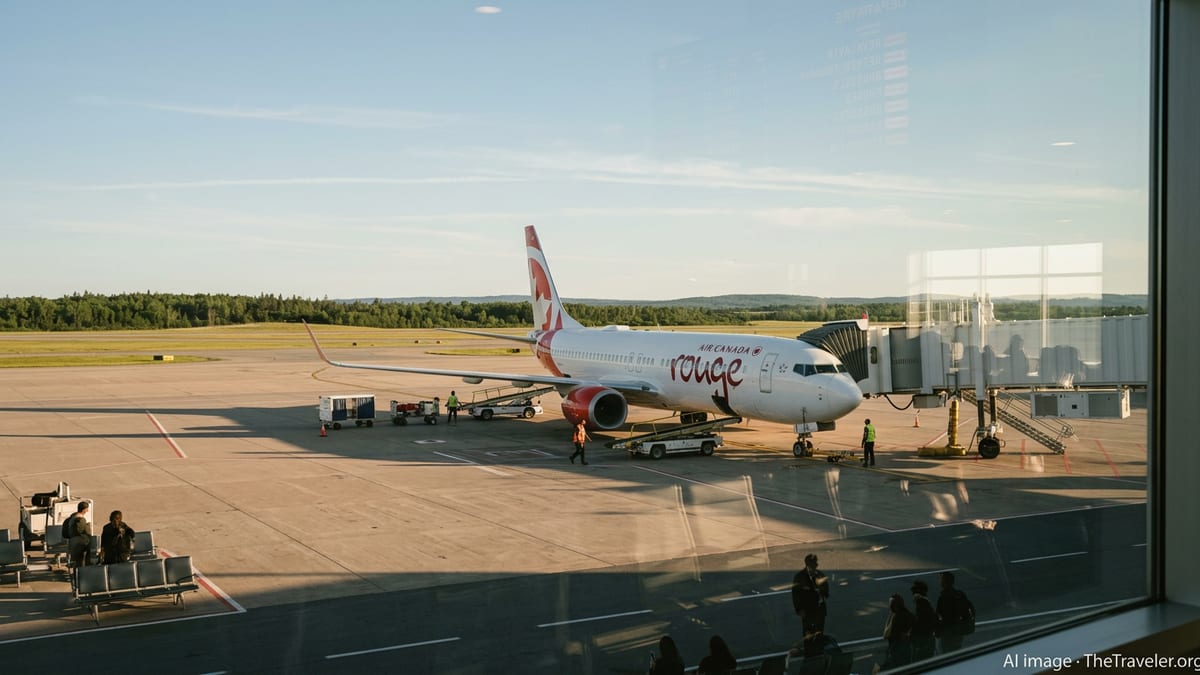
Hotel Shifts in Five European Cities After Unrest
Publicly available information from aviation and travel industry coverage indicates that Air Canada has relocated some cabin crews from their usual layover properties in five key European cities over a three-day period, focusing on destinations in France and Italy. Reports highlight Paris, Nice, Lyon and Nantes in France, along with Milan in northern Italy, as locations where crews have been moved to different hotels between October 23 and October 25, 2026, to avoid areas affected by large demonstrations.
Specialist airline publications describe the changes as a response to ongoing street protests and the risk of disruption around certain downtown districts. Crews arriving on widebody services from Canada were reportedly directed away from central locations and toward properties closer to the airports, where access and security are easier to manage during periods of unrest. Coverage indicates that flights themselves have continued to operate according to schedule, with the measures focused on layover logistics rather than route suspensions.
Commentary in industry outlets characterizes the decision as a balancing act between maintaining regular transatlantic operations and adjusting ground arrangements to protect crew rest. Repositioning staff to less exposed areas is presented as a way to keep return services to Canada running while reducing exposure to potential bottlenecks caused by demonstrations and associated transport disruptions.
Available reports do not specify the exact hotels involved, but they suggest the carrier is drawing on contingency contracts that allow for rapid reassignment of crews when a city’s security or mobility environment changes. The realignment appears to be time-limited, with the core warning period spanning three days that coincide with announced protest actions in several French cities.
Union Communications Highlight Safety and Rest
Recent updates from the Air Canada Component of the Canadian Union of Public Employees, which represents the airline’s flight attendants, underline the importance of hotel standards and reputational issues when carriers negotiate crew accommodation. A fall 2026 bulletin from the union’s hotel committee explains that hotel managers in major destinations share information about airline crew behavior and safety issues, and that this can influence future room availability and the range of properties willing to host flight attendants.
The same union communication emphasizes that contracts typically address security, noise, and minimum rest conditions, including expectations for interior corridors, controlled access, and environments conducive to uninterrupted sleep. In the context of the current European adjustments, this framework helps explain why moving crews away from central districts experiencing marches or late-night gatherings is seen as a way to preserve contractual rest and avoid knock-on delays on subsequent flights.
Union-facing material also stresses that when events on the ground threaten to interfere with crew rest, airlines are expected to step in with alternative arrangements or transportation. The three-day warning affecting Air Canada flight attendants aligns with this principle, signposting in advance that hotel assignments may be altered and that standard downtown properties could be temporarily replaced by airport-adjacent options.
Labour relations analysts note that the heightened focus on hotel conditions comes roughly a year after a disruptive three-day strike by Air Canada flight attendants in August 2025, an event that led to thousands of cancellations and significant scrutiny of working conditions. While the current situation in Europe is driven by public demonstrations rather than a labour dispute at the airline, observers suggest that both management and union representatives are acutely aware of how rest and safety issues can escalate if they are not addressed early.
Broader Security Context Across Europe
The Government of Canada’s official travel advisories for France and other European countries point to a combination of terrorism concerns and frequent demonstrations in major urban centres. Guidance for French cities, updated in late October 2026, notes that large gatherings can affect traffic and access around government buildings, transport hubs, and popular tourist areas, and it advises Canadian travellers to stay clear of protest routes whenever possible.
In practice, such events can make it difficult for airline crews to reach their hotels or the airport on time, particularly when demonstrations coincide with rush hour or public transport slowdowns. Travel industry live blogs tracking European protests in recent weeks have described hundreds of thousands of people taking to the streets across France, with police cordons and rolling road closures in parts of Paris and other cities. For crews arriving late at night after long-haul flights, these conditions can complicate transfers to central hotels and increase the risk of delayed rest periods.
By temporarily repositioning flight attendants to properties nearer to key airports, airlines can reduce exposure to blocked roads and spontaneous marches. It also makes it easier to arrange short-notice ground transportation if protest activity shifts overnight. Publicly available materials from other North American flight attendant associations show similar expectations, with recommended hotel characteristics that include secure access, quiet floors, and dependable transfer times even when a city is experiencing demonstrations or heightened alert levels.
Security experts who track aviation operations note that, while passengers rarely see the behind-the-scenes hotel and transport planning for crews, these details are a critical part of ensuring flight schedules remain reliable. Any disruption to crew rest requirements can quickly cascade into delays, cancellations, or aircraft being out of position, making proactive measures appealing for carriers operating dense transatlantic schedules.
Limited Impact on Passengers but Heightened Awareness
So far, reports available on October 28, 2026, indicate that the three-day hotel warning for Air Canada flight attendants in the five affected European cities has not translated into broad schedule changes or route suspensions. Flights between Canada and France and between Canada and Italy appear to be operating, and there have been no indications that cabin crew were unable to report for duty due to hotel-related complications.
For passengers, the most tangible effect is likely to be a greater presence of crews around airport-area hotels rather than in traditional city-centre properties. Travellers who encounter crews at breakfast rooms or shuttle stops may notice that they are being kept closer to airport terminals during the days identified as higher risk for disruption.
Passenger rights under European Union rules remain unchanged by the internal crew arrangements. If a flight departing from an EU airport were to be significantly delayed or cancelled, standard protections related to accommodation, meals, and rebooking would continue to apply, regardless of whether the carrier is European or foreign. Legal guidance produced by consumer advocates in recent years stresses that airlines operating from EU airports are required to provide hotel rooms and transportation to and from the accommodation when overnight stays become unavoidable.
Analysts following the situation say that the current measures serve as a reminder of how closely airline operations are intertwined with wider political and social events in destination countries. Even when aircraft and crews are available, factors such as protests, security alerts, or strikes in ground transport can require sudden adjustments to keep long-haul services running on time.
What Travellers Should Watch in the Coming Days
With the three-day window for hotel adjustments in the five European cities now publicly reported, observers expect Air Canada to monitor local conditions and revert to its usual layover arrangements once demonstrations subside or move away from key hotel districts. If protests continue or expand, further short-term warnings for crews in other cities cannot be ruled out, although there have been no indications of broader changes as of October 28, 2026.
Passengers booked on Air Canada services to Paris, Nice, Lyon, Nantes, Milan or other European gateways in the coming days may wish to keep an eye on regular flight status updates and general travel advisories for their destinations. Travel experts recommend allowing extra time to reach or leave airports when major demonstrations are expected, particularly for evening departures that coincide with protest dispersal.
Industry observers also point out that the situation illustrates how airline and union hotel committees, travel risk managers, and local partners collaborate to adjust layover plans on short notice. The three-day warning is a relatively targeted measure, affecting internal crew logistics more than the customer-facing schedule, but it highlights the complex planning that underpins transatlantic travel at a time of frequent demonstrations in European capitals and regional centres.
As of the latest reports, the adjustments to crew accommodation in the five European cities are framed as precautionary rather than a response to specific incidents involving airline staff. The emphasis across publicly available documents and industry commentary remains on safeguarding rest periods, reducing exposure to street-level unrest, and supporting the continuity of Air Canada’s growing European network during a period of heightened civic activity.