


More news on this day
AirAsia X is restoring direct flights between Kuala Lumpur and Sapporo ahead of the peak winter travel period, with four weekly services scheduled to reconnect Malaysia’s capital with Japan’s northern island of Hokkaido.
Get the latest news straight to your inbox!
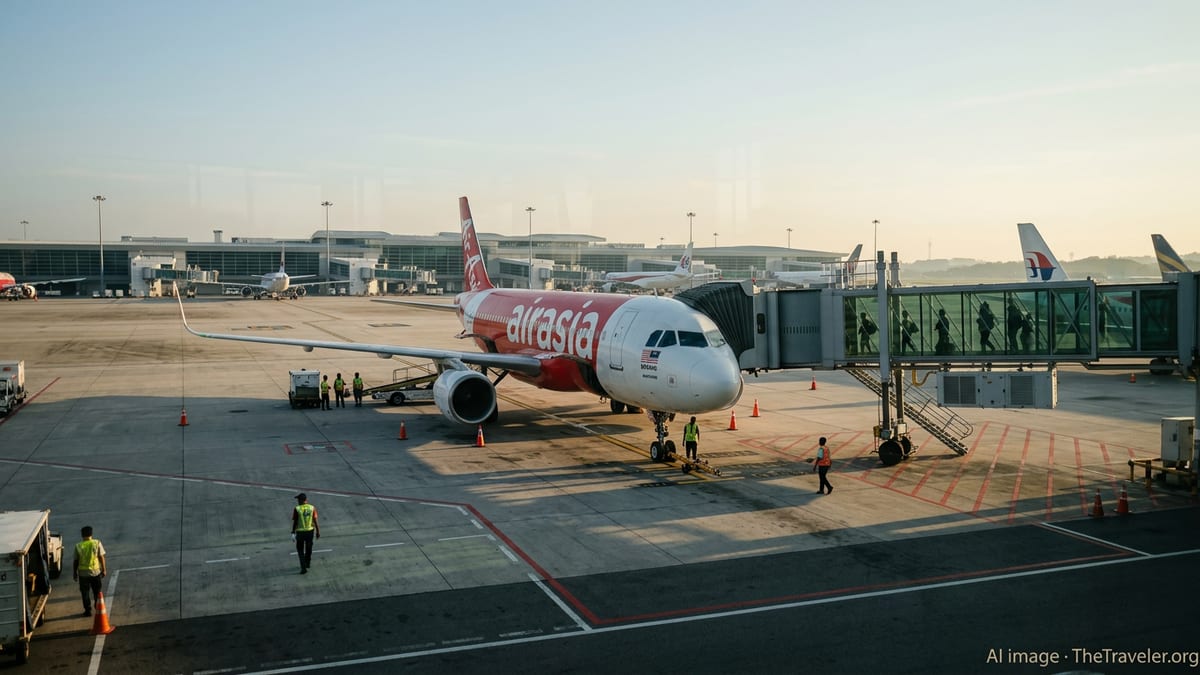
Four Weekly Flights Return From 25 October
Publicly available scheduling data indicates that AirAsia X will resume nonstop services on the Kuala Lumpur–Sapporo New Chitose route from 25 October 2026, operating four round trips each week. Coverage from Japanese aviation outlets notes that the flights are planned on Mondays, Wednesdays, Fridays and Sundays, restoring a direct link that has been served on a seasonal basis in recent years.
Reports from route-tracking services show that the reinstated operation is timed for the Northern Hemisphere winter schedule, which runs from late October through late March. The four weekly flights are set to operate as overnight services from Kuala Lumpur, arriving in Hokkaido in the morning, with daytime returns to Malaysia, using Airbus A330 widebody aircraft configured for high-density leisure travel.
According to published coverage, AirAsia X plans to temporarily lift frequencies on the route during the mid-winter peak. From 15 December 2026 to 26 January 2027, a fifth weekly rotation on Tuesdays is scheduled, before the service pattern returns to four weekly flights for the remainder of the winter season.
Strategic Timing for Hokkaido’s Winter Tourism Season
Industry reports highlight that the reinstated Kuala Lumpur–Sapporo link is closely aligned with Hokkaido’s winter tourism calendar, which typically peaks between December and February. The period coincides with popular ski seasons at resorts such as Niseko and Furano, as well as major events including snow and ice festivals across the region.
Pre-pandemic statistics cited in earlier AirAsia X communications show that Japan has been one of the carrier’s strongest markets, and Hokkaido in particular has attracted growing numbers of Southeast Asian visitors seeking colder-weather experiences. The restored route is expected to support inbound travel from Malaysia and connecting markets across Southeast Asia, while also offering Japanese travelers a direct pathway to a tropical climate during the colder months.
Analyst commentary on the airline’s broader network strategy suggests that seasonal capacity to Sapporo has become a recurring feature of AirAsia X’s winter planning. Previous schedules have shown a pattern of increasing frequencies in response to demand spikes, which is reflected again in the planned move from four weekly flights to five during the core holiday period.
Reinforcing Kuala Lumpur as a Low-Cost Long-Haul Hub
Network and financial disclosures from AirAsia X describe Kuala Lumpur International Airport as the primary hub for the carrier’s medium- and long-haul operations. The restoration of direct flights to Sapporo adds another point in Japan to the airline’s portfolio alongside existing services to Tokyo and Osaka, further consolidating Kuala Lumpur’s position as a connecting hub between Northeast Asia, Southeast Asia and Australasia.
According to investor presentations and operational statistics, AirAsia X has focused on rebuilding its long-haul network since international travel restrictions were eased, with particular emphasis on high-volume leisure markets such as Japan, Australia and South Korea. The decision to reintroduce the Sapporo link in time for winter is consistent with that strategy, targeting periods of strong seasonal demand to improve aircraft utilization.
Publicly available route maps and booking data on the AirAsia platform indicate that passengers traveling from Sapporo will be able to connect through Kuala Lumpur to a range of destinations across Southeast Asia and beyond on affiliated short-haul carriers. This connectivity is expected to be a key selling point for travelers from Hokkaido seeking multi-stop itineraries that combine city visits and beach holidays.
Competitive Landscape on the Malaysia–Hokkaido Corridor
Flight search platforms show that the broader Sapporo–Kuala Lumpur market is currently served by a mix of direct and one-stop itineraries involving both full-service and low-cost airlines. AirAsia X’s return to direct operations places it in competition with other carriers that route passengers via major hubs such as Tokyo, Seoul, Taipei, Bangkok and Singapore.
Analysts note that low-cost long-haul models typically rely on dense economy seating and ancillary revenues to maintain competitive fares on routes of this length. With four weekly flights expanding to five during the peak weeks, AirAsia X is expected to position its pricing aggressively to capture both budget-conscious independent travelers and group tour traffic between Malaysia, Japan and neighboring markets.
Travel platforms that aggregate fares for the Sapporo–Kuala Lumpur city pair already list AirAsia X among the airlines offering combinations of direct and connecting services, alongside regional and global competitors. As the winter schedule approaches, additional promotional campaigns and bundled offers are anticipated to stimulate early bookings and secure load factors across the newly restored route.
Outlook for Future Growth Beyond Winter
Historical schedule data suggests that AirAsia X has periodically increased frequencies on the Kuala Lumpur–Sapporo route when demand warranted, including transitions from four weekly flights to daily services in previous winter seasons. Industry observers will be watching booking trends closely to see whether similar expansions materialize beyond the announced four and five weekly rotations for the upcoming winter.
Broader network updates from the airline indicate an ambition to grow capacity across its Japan portfolio in tandem with fleet activation and market recovery. If the Sapporo route performs strongly through the 2026 to 2027 winter season, it may strengthen the case for more sustained or higher-frequency operations in subsequent years, particularly during key travel periods such as Lunar New Year and school holidays in core Southeast Asian markets.
For travelers, the restoration of four weekly flights between Kuala Lumpur and Sapporo ahead of winter adds flexibility and choice on a route that has at times been limited to indirect connections. As booking channels reflect the new schedule, the link is poised to play a renewed role in supporting tourism flows and economic ties between Malaysia and Japan’s northernmost prefecture.
AirAsia X route announcement: Kuala Lumpur – Sapporo
Traicy report on AirAsia X resuming Kuala Lumpur–Sapporo flights
Livedoor News coverage of Kuala Lumpur–Sapporo restart and frequencies