


More news on this day
JR East has restarted limited express Wakashio services linking central Tokyo with coastal Chiba Prefecture, re-establishing a fast rail connection to the Boso Peninsula after several days of disruption triggered by heavy rain and related suspensions on the Sotobo Line.
Get the latest news straight to your inbox!
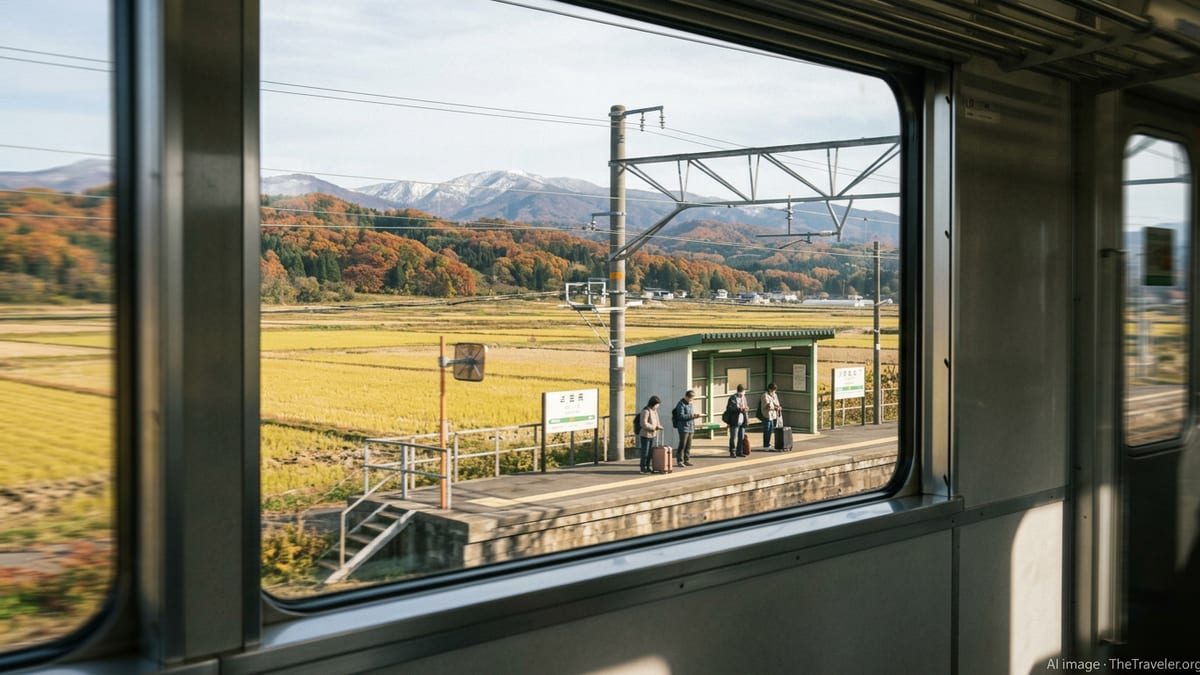
Key Limited Express Link Returns to Service
The Wakashio limited express connects Tokyo Station with destinations along the eastern coast of the Boso Peninsula, including Awa-Kamogawa, using the Sotobo Line as its main corridor. Travel guidance resources describe the service as the primary fast rail option from Tokyo to popular seaside areas in southern Chiba, cutting journey times compared with local trains that require multiple transfers at intermediate hubs such as Chiba or Soga.
According to publicly available route information, Wakashio trains are positioned as limited express services with reserved-seat options, appealing to both daily commuters and leisure travelers heading for beaches, hot springs and resort towns on the Pacific side of the peninsula. The service complements other conventional and limited express trains that spread out across the Boso region, but remains the most direct rail link from central Tokyo to the Sotobo coast.
The resumption follows a period in which JR East’s train status pages listed Wakashio and Shinjuku Wakashio departures as fully cancelled over their entire operating sections because of very heavy rain in Chiba Prefecture. Those same train information pages now indicate that express operations have moved back toward normal patterns as infrastructure checks and safety inspections along the Sotobo Line have progressed.
Local government notices in Chiba Prefecture also report that JR’s Sotobo Line has been cleared to restart, reinforcing that mainline traffic to and from the prefectural capital has largely recovered. The return of the core local and rapid services on Sotobo provides the track capacity and operational flexibility required to layer limited express paths such as Wakashio back into the timetable.
Heavy Rain Disruption Across Chiba Rail Network
The latest interruption to Wakashio services followed intense rainfall that affected multiple sections of JR East’s network in Chiba Prefecture. Train status bulletins in several languages documented all-day suspensions on the Wakashio and Shinjuku Wakashio services, citing the impact of the heavy rain event on August 13 and subsequent days. These notices listed every scheduled departure as cancelled over the full Tokyo to Awa-Kamogawa or Katsuura sections.
Separate regional alerts for the greater Chiba area pointed to service suspensions and gradual restarts on the JR Sotobo Line itself, highlighting the scale of the weather-related disruption. Municipal updates from Chiba City noted that operations on the line were formally restarted once inspections and emergency responses had been completed, a key precondition for bringing limited express services back.
The disruption to Wakashio was part of a broader pattern in which multiple limited express brands have been halted during recent extreme weather, including the Narita Express between Tokyo and Narita Airport and other long-distance services in different regions of Japan. JR East’s publicly available guidance on service suspensions emphasizes that safety checks following heavy rain, typhoons or earthquakes can trigger wide-ranging cancellations on Shinkansen and conventional-line expresses until conditions are verified as safe.
Operational summaries from previous events show that JR East sometimes suspends entire families of limited express trains in the Tokyo region, such as Wakashio, Shiosai and Shinjuku Sazanami, when strong typhoons or similar hazards approach. In those cases, resumptions have typically been staged as infrastructure inspections clear more sections of track, a pattern that appears to have repeated on the Sotobo corridor after the latest heavy rain in Chiba.
What the Restart Means for Travelers
With Wakashio services now back in operation, domestic and international travelers regain the most time-efficient direct connection between central Tokyo and the Pacific-side resorts of the Boso Peninsula. Travel planning sites describe the limited express as offering a roughly one to two hour journey from Tokyo to key Sotobo Line destinations, while local services with transfers can take considerably longer.
The restart is especially significant for visitors heading to beaches, hiking areas and coastal towns during the late summer season, when demand for seats can be strongest on weekends and holidays. The return of Shinjuku-originating Wakashio variants on peak travel days, which operate via the Chuo and Sobu corridors before joining the Sotobo Line, further expands options for passengers staying on the western side of central Tokyo.
For Chiba residents, the renewed express timetable restores an important fast commuter and leisure link into the capital. With Sotobo Line local and rapid trains also reported as running again, the overall network in eastern Chiba has regained capacity that had been constrained during the suspension period. This allows JR East to reintroduce limited express paths while still accommodating regular suburban traffic.
Published operational reports from JR East emphasize that, after major disruptions, the company prioritizes both safe resumption and customer assistance. Information made available in multiple languages, including English, Chinese and Korean, is intended to help foreign visitors interpret suspension notices and understand when limited express services like Wakashio are running normally again.
Ongoing Emphasis on Resilience and Information
The recent Wakashio suspension and restart underline how vulnerable coastal rail corridors in Chiba can be to intense rainfall and related hazards. Corporate reports from JR East highlight a broader effort to strengthen resilience, improve recovery times and provide clearer communication whenever limited express and Shinkansen services are suspended.
Documentation on suspension procedures for conventional-line limited express trains indicates that JR East publishes dedicated notices when services such as Wakashio are halted, then follows up with updates as sections of line pass safety checks and operations can resume. These materials stress that online train status pages are intended as guidance that is updated frequently but may not always reflect every real-time change.
For travelers, recent events reinforce the importance of checking JR East’s official train information platforms and local government advisories, particularly during Japan’s typhoon and rainy seasons. External travel guides also advise building additional flexibility into itineraries to account for potential cancellations of limited express trains, especially when journeys depend on single coastal corridors such as the Sotobo Line.
As climate patterns bring more frequent episodes of extreme weather to eastern Japan, rail operators on the Boso Peninsula and in the wider Tokyo region face continuing pressure to balance safety with service continuity. The latest return of Wakashio underscores that, even after extended suspensions, a mix of infrastructure reinforcement, contingency planning and transparent information can help restore key express links between Tokyo and surrounding prefectures.
Checking Current Wakashio Operations
Rail users planning to ride the Wakashio in the coming days are encouraged by travel information resources to consult JR East’s real-time status pages before they depart for the station. These multilingual pages allow passengers to filter for specific limited express brands, including Wakashio, Shinjuku Wakashio and Sazanami, and display whether trains are running on schedule, delayed or fully cancelled.
Visitors unfamiliar with the route can also refer to English-language descriptions of the Sotobo Line and Boso Peninsula access options, which outline how Wakashio fits alongside local and rapid services in the region. Such materials help passengers understand alternative paths, such as using Chiba or Soga as transfer points, should limited express operations be disrupted again.
Ticketing guidance from JR East’s publicly available manuals explains that, when services are suspended, passengers holding limited express reservations may be eligible for changes or refunds under specified conditions. During the recent heavy rain event, these policies allowed affected Wakashio passengers to adjust plans while the Sotobo corridor was out of service.
With Wakashio trains once more connecting Tokyo and Chiba’s Pacific coast, the route resumes its role as one of the most convenient rail links between the metropolitan area and the Boso Peninsula. Nonetheless, recent experience suggests that travelers should remain attentive to service information, particularly in periods of unstable weather when express operations can change at short notice.
Sources:
JR East limited express train status: Wakashio / Sazanami
JR East Kanto area train status (overall)
Chiba City notice on JR Sotobo Line service restart
Japan Guide: Access to and around the Boso Peninsula
Wakashio limited express service overview