


More news on this day
Latvian carrier airBaltic has secured commitments for up to EUR 257 million in interim financing, a move publicly described as critical for reinforcing its liquidity position and underpinning a revised business plan focused on sustainable growth.
Get the latest news straight to your inbox!
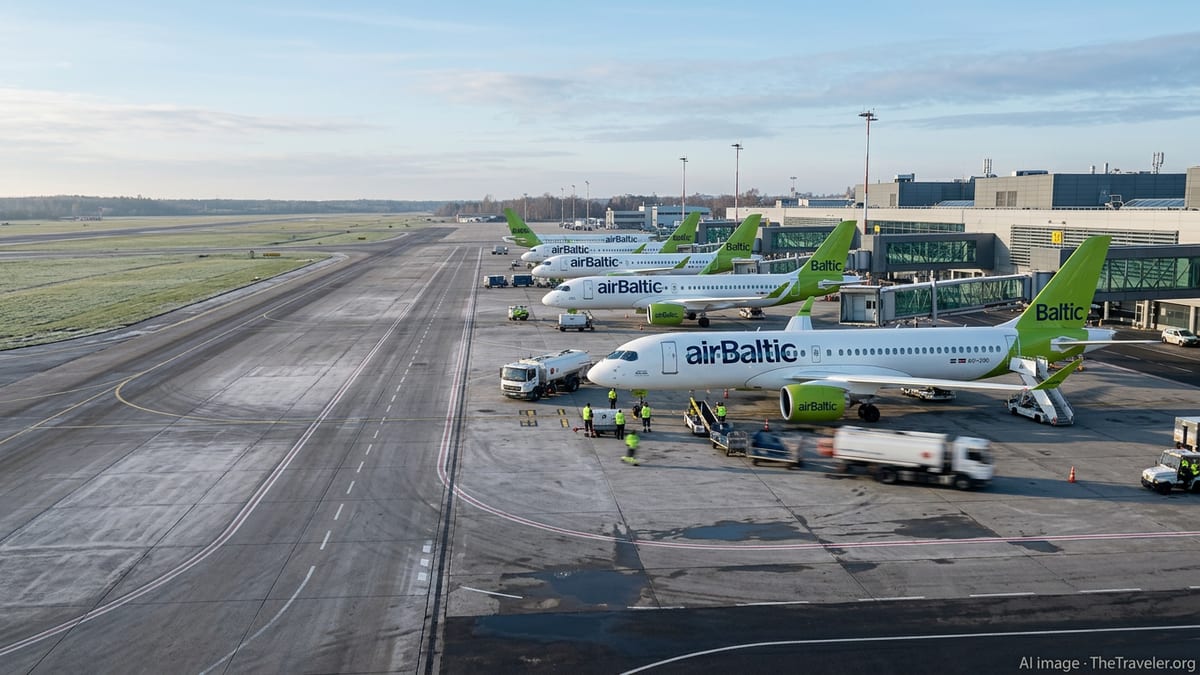
Interim Financing Package Targets Near Term Liquidity Needs
Publicly available information indicates that airBaltic has agreed terms for as much as EUR 257 million of new interim financing, structured primarily as additional bonds maturing in February 2027 and offered to a mix of existing bondholders and new investors. The package follows several months of heightened scrutiny of the airline’s balance sheet and funding outlook.
Specialist aviation coverage reports that the new bonds are intended to address immediate liquidity pressures rather than to replace the carrier’s existing 2029 senior secured notes. Instead, the interim funding will sit alongside the earlier debt, giving the airline additional time to implement a revised restructuring and growth plan without disrupting day to day operations or its current flying program.
Latvian media note that the airline had already taken short term measures in 2026, including a state backed loan, while searching for a larger private sector solution. The latest agreement for up to EUR 257 million is being framed as a bridge to a broader recapitalisation that aims to stabilise finances and restore investor confidence.
Reports also highlight that the financing carries a relatively high interest cost, reflecting market perceptions of risk around the airline’s turnaround. Even so, observers suggest that securing committed funding at this stage reduces the likelihood of more disruptive emergency measures and allows management to concentrate on executing its business plan.
Building on Earlier Bond Issues and Restructuring Steps
The new commitments build on a substantial debt refinancing carried out in 2024, when airBaltic issued EUR 340 million of 14.5 percent secured bonds due 2029, later increased through an additional EUR 40 million tap. According to transaction summaries and legal advisories, those bonds refinanced a maturing EUR 200 million issue and repaid a previous state loan while also supporting liquidity and fleet expansion plans.
Financial filings show that the 2029 notes are secured against a broad pool of assets, including aircraft, other property and receivables, and contain covenants such as a minimum liquidity requirement. Analysts note that meeting those covenants has become more challenging in the face of higher interest expenses, elevated lease obligations and external headwinds affecting demand and costs.
In parallel, management has been working on a longer term recapitalisation strategy. Public documents outlining that plan describe a combination of interim financing, potential partial equitisation of existing debt and efforts to bring in new strategic investment. The objective is to reduce leverage gradually and improve credit metrics over the second half of the decade, while keeping the airline’s operating schedule intact.
Industry commentary points out that the EUR 257 million interim package fits into this broader context as an additional layer of funding designed to bridge the period until a more comprehensive balance sheet reshaping is completed. It also signals continued support from financial stakeholders that have already backed the carrier through previous bond issues.
Revised Business Plan Refocuses Growth and Fleet Strategy
Alongside the financing move, airBaltic has recently set out a revised business plan aimed at strengthening long term sustainability. According to published summaries, the updated strategy reassesses earlier ambitions to grow rapidly toward a 100 aircraft fleet, instead shifting emphasis toward profitability, disciplined capacity deployment and a sharper focus on the airline’s core Baltic markets.
Reports indicate that the carrier intends to optimise its Airbus A220 300 fleet, concentrating more activity around its main Riga hub while adjusting capacity in secondary bases. The aim is to match aircraft utilisation more closely with demand patterns and yield performance, a step viewed by analysts as important in an environment of higher borrowing and leasing costs.
Financial disclosures suggest that, when combined with the interim financing, the revised plan is expected to support a gradual improvement in leverage ratios through to the end of the decade. Projections cited in recent coverage point to declining net debt relative to earnings after the recapitalisation is in place, assuming that traffic and revenue trends remain broadly supportive.
For passengers, publicly available information stresses that the airline’s schedule is expected to continue normally while these financial measures are implemented. The intention is to keep network and product development on track, even as the company tightens capital spending and prioritises routes and markets with stronger returns.
Implications for Investors, the Baltic Market and Competition
The EUR 257 million financing commitment carries implications beyond airBaltic itself. As the dominant carrier in Latvia and a key player across the wider Baltic region, the airline’s financial position is closely watched by airports, tourism bodies and competing airlines. Observers note that a disorderly restructuring could have disrupted connectivity from Riga, Tallinn and Vilnius to the rest of Europe.
By securing interim funding, the airline appears to have bought time to pursue a more orderly reshaping of its balance sheet. Market commentators suggest that this reduces near term default risk on the existing 2029 secured notes, though it does not fully resolve questions about long term capital structure, especially given elevated interest costs.
The development is also being seen in the context of European regional aviation more broadly, where several mid sized carriers are navigating the twin challenges of fleet renewal and tighter financing conditions. Analysts compare airBaltic’s approach with other airlines that have combined new debt, equity injections and asset sales to weather recent volatility and invest selectively in growth.
For bondholders and potential equity investors, the next milestones will likely include detailed terms of any broader recapitalisation and evidence that the revised business plan is translating into improved cash generation. Public filings and future traffic data will be scrutinised for signs that fleet optimisation and network adjustments are tempering costs while maintaining the airline’s competitive position in its home markets.
What the Deal Signals About airBaltic’s Future Direction
Securing commitments for up to EUR 257 million of interim financing underscores both the challenges and opportunities facing airBaltic. On one hand, the scale and pricing of recent funding rounds underline that the carrier is operating in a more demanding financial climate, where investors require higher returns to provide capital to airlines with ambitious growth histories and relatively high leverage.
On the other hand, the willingness of existing bondholders and new finance providers to participate in the latest package suggests continued confidence that the airline can execute its revised strategy. Public statements about the business plan highlight expectations of steady demand in core markets, ongoing fleet efficiencies from the single type Airbus A220 platform and revenue potential from partnerships and connectivity across Europe.
For now, reports indicate that passengers should see little change in day to day operations as the financial restructuring progresses behind the scenes. The success of the EUR 257 million financing in stabilising liquidity and supporting future growth will become clearer over the next several years, as performance data and further capital structure decisions reveal how effectively the airline has managed this critical transition period.
Sources: Aviator.aero; LSM.lv (Latvian Public Media); BalticNews.com; Latvian Ministry of Transport; Euronext regulatory filings