


More news on this day
The United Arab Emirates is preparing for a hotter and potentially wetter end to 2026, as strengthening El Niño conditions in the Pacific alter regional temperature and rainfall patterns and reshape expectations for the country’s typically dry cool season.
Get the latest news straight to your inbox!
El Niño intensifies heading into late 2026
Global climate monitoring centers report that sea surface temperatures in the central and eastern tropical Pacific have risen sharply during 2026, marking the development of a strong El Niño episode. World Meteorological Organization updates indicate that this event is expected to persist into 2027, with anomalies in the key Niño 3.4 region reaching values associated with some of the most intense El Niño years on record.
Scientific assessments describe the 2026 El Niño as part of a broader pattern of record warm global sea surface temperatures and elevated atmospheric heat. Earlier El Niño events in 1997 to 1998 and 2015 to 2016 already demonstrated how such episodes can lift global averages and disturb typical rainfall belts across the tropics. Current research suggests that the 2026 pattern may rival or exceed those episodes in magnitude, increasing the likelihood of pronounced downstream effects for regions far from the Pacific, including the Arabian Peninsula.
El Niño does not act in isolation. Global seasonal climate outlooks compiled by international agencies highlight the interaction between Pacific warming, conditions in the Indian Ocean and long term climate change. This combination is expected to tilt the odds toward above normal temperatures across much of the world in late 2026, including in West Asia and the Gulf region, even during months that residents traditionally regard as relatively mild.
UAE seasonal forecasts point to a hotter close to the year
For the UAE, publicly available forecasts from the National Center of Meteorology indicate a clear signal toward higher than average temperatures as 2026 draws to a close. A recent seasonal outlook summarised in local media reports cites a very high probability, close to 99 percent, that El Niño conditions will continue through at least December 2026, with the impacts likely to carry into the first months of 2027.
The same outlook describes an increased likelihood that national mean temperatures will sit near or above the long term seasonal norms during the final quarter of 2026. This follows mid year guidance highlighting a tendency toward slightly warmer than usual conditions during May to July, as background Pacific warming began to influence regional circulation patterns across the Arabian Peninsula.
Longer range climate assessments for the UAE already show a trend of rising baseline temperatures over recent decades, linked to global greenhouse gas emissions. Government climate reports describe a consistent warming of summer and winter averages and an uptick in the frequency of very hot days. Against this backdrop, an intense El Niño acts as an additional driver, lifting seasonal means further and increasing the likelihood of extended warm spells even in what is locally considered the cooler part of the year.
Rainfall outlook shifts toward more late year events
While El Niño is often associated with drought in parts of the Middle East, recent guidance paints a more nuanced picture for the UAE. The country’s National Center of Meteorology has highlighted that, for the upcoming cool season, rainfall totals are expected to be near or above the long term average, especially between November 2026 and March 2027.
Regional and global seasonal precipitation outlooks, including assessments produced for humanitarian agencies, indicate that the broader Arabian Peninsula may lean drier than normal in mid year months, but that the signal can reverse later in the calendar year. As the 2026 El Niño strengthens and interacts with shifting jet streams and pressure systems, the UAE’s winter pattern may favor more frequent disturbances, particularly if suitable local conditions develop over the Arabian Gulf and surrounding land areas.
Local coverage of the UAE forecast notes that El Niño’s influence could extend into April 2027, increasing the chance of late season rain events that arrive after the usual peak in winter showers. Historical comparisons point to previous strong El Niño years when the country recorded episodes of above normal rainfall, including notable events in the late 1990s and mid 2010s. Forecasters caution that not every strong El Niño produces the same outcome, but the odds of heavier individual storms tend to rise when the Pacific is substantially warmer than usual.
Implications for travel, outdoor events and infrastructure
The prospect of a hotter, stormier end to 2026 carries practical implications for residents, travelers and planners across the UAE. Tour operators and hospitality businesses that traditionally promote the November to February window as a reliably mild and dry season may need to adjust expectations, as climate outlooks now point to a higher probability of unseasonably warm spells and intermittent heavy showers.
Travelers visiting popular urban and desert destinations toward the end of the year are likely to encounter higher overnight temperatures and humidity levels than the long term average. This can affect the comfort of open air attractions, desert excursions and outdoor dining, particularly during warm surges linked to regional high pressure systems. At the same time, the raised potential for intense but brief rainfall events increases the risk of local flash flooding, water pooling on roads and temporary disruption to transport links.
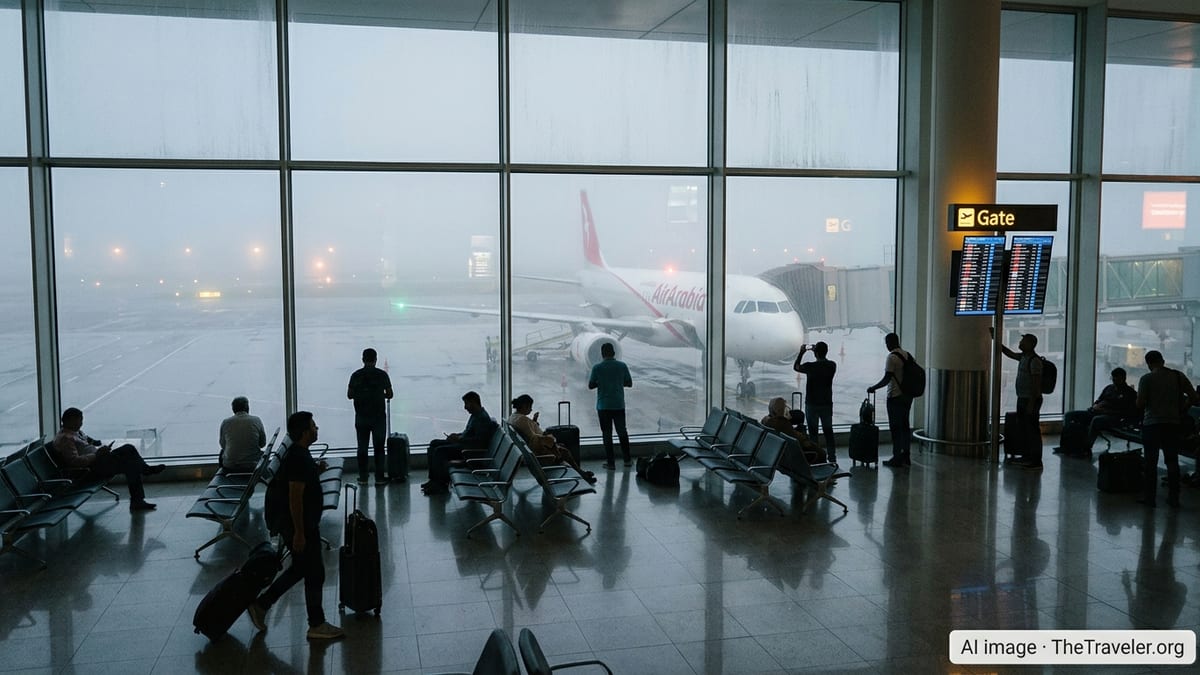
Cities such as Dubai and Abu Dhabi have experienced infrastructure strain during past heavy rain episodes, including waterlogged intersections and delays at airports. Municipal authorities have invested in new drainage projects and updated emergency plans in recent years, but a strong El Niño that sustains wetter than usual conditions through early 2027 will test the resilience of these systems. Publicly available advisories already encourage residents and visitors to monitor short range forecasts closely during unsettled periods and to allow extra time for journeys when storms are expected.
How travelers and residents can prepare
With several months remaining before the core of the UAE cool season, climate specialists recommend that individuals and businesses treat the El Niño signal as an opportunity to plan ahead, rather than as a cause for alarm. For travelers, that preparation begins with itinerary choices. Booking flexible rates for flights and accommodation can help manage potential weather related disruptions, while scheduling key outdoor activities earlier in the day reduces exposure to heat spikes that may still occur well into November.
Residents and long term visitors are being encouraged through public information campaigns to refresh basic heat and storm preparedness measures. This includes checking air conditioning systems ahead of the late summer and autumn period, reviewing car maintenance with an eye on windshield wipers and tires for wet roads, and ensuring that home drainage points and balcony outlets are clear before the onset of heavier showers.
Businesses responsible for outdoor events, construction and logistics may also need to adjust working practices. Seasonal outlooks pointing to warmer, more humid nights and the chance of stronger rainfall clusters suggest that shift timings, worker hydration strategies and contingency venues for large gatherings should be reconsidered. Insurance providers and risk consultants are paying close attention to El Niño updates as they refine their guidance to clients operating in climate sensitive sectors across the Gulf.
For now, the overarching message from climate and meteorological agencies is that El Niño shifts probabilities rather than guaranteeing specific outcomes. As 2026 progresses, updated monthly and seasonal bulletins from international centers and the UAE’s own meteorological service will refine expectations for temperatures and rainfall. Travelers and residents who follow those updates and build flexibility into their plans will be best placed to navigate a hotter, less predictable end to the year.