


More news on this day
The United States is warning travelers of heightened risks at airports across Saudi Arabia after a wave of missile and drone strikes on aviation facilities, urging U.S. citizens to reconsider travel and prepare for sudden disruptions to flights and airspace.
Get the latest news straight to your inbox!
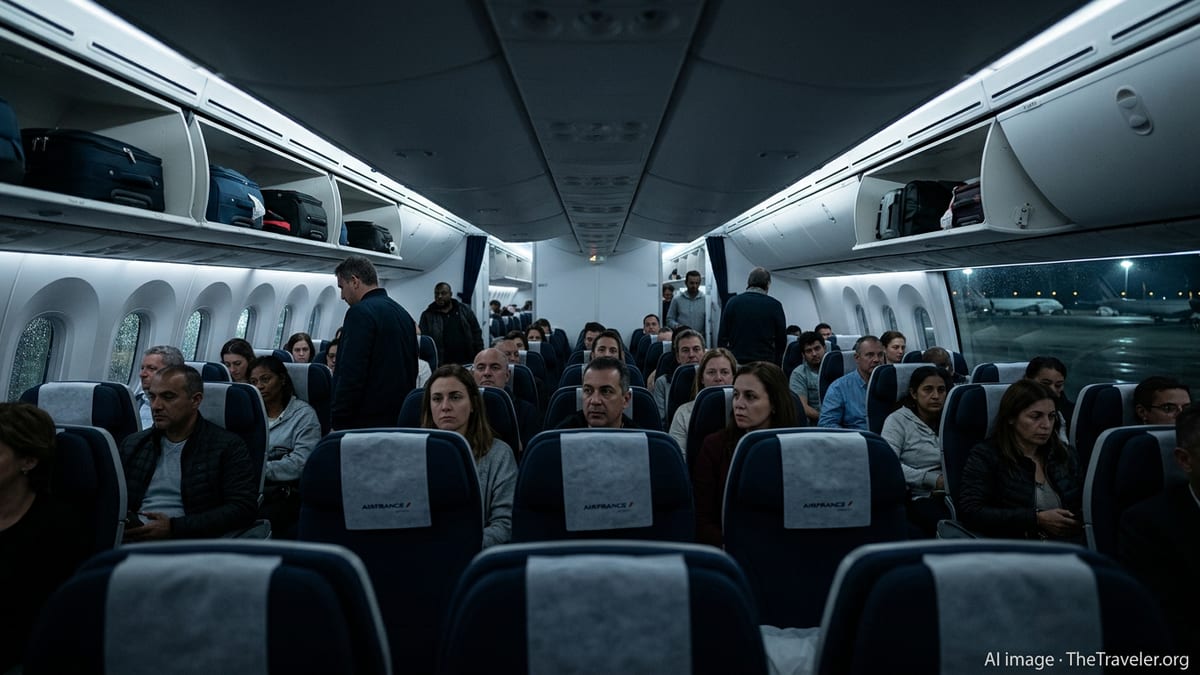
New alert follows deadly October attacks on airports
Publicly available information from the U.S. government and international media indicates that the latest security alert is tied directly to a series of attacks between October 6 and 12, 2026, that struck multiple airports in Saudi Arabia. During that period, Iran-aligned Houthi forces in Yemen launched ballistic missiles and armed drones at King Khalid International Airport in Riyadh and other facilities, causing mass casualties and extensive damage.
Reports from civil aviation authorities and global news outlets describe at least one missile impact on terminal areas used for domestic flights at Riyadh’s main airport, killing at least 12 people and injuring more than 300 others. Subsequent projectiles and debris were reported to have hit the same airport again within days, prompting an extended suspension of passenger operations.
Additional reporting points to a targeted attack on King Fahd International Airport in Dammam, on Saudi Arabia’s eastern coast, during the same week. Open-source casualty tallies compiled from Saudi and international coverage suggest that, across several airports, at least 20 people were killed and more than 370 injured in the October airport strikes.
These incidents took place against the backdrop of wider regional conflict involving Iran and the Houthis, and they follow years of periodic cross-border attacks on Saudi energy, military and transport infrastructure. Analysts quoted in regional and international coverage note that the intensity and precision of the October assaults on civilian airports mark a significant escalation in risks for commercial aviation in the kingdom.
U.S. travel advisory raised to ‘Reconsider travel’
The U.S. Department of State’s online Travel Advisory for Saudi Arabia was updated in mid-October 2026 to Level 3, "Reconsider Travel," with the summary citing the risk of drone and missile targeting of American interests by Iran and Iranian-supported Houthis, as well as armed conflict, terrorism, exit bans and restrictive local laws.
The advisory highlights the specific threat to civil aviation, noting that missiles and unmanned aircraft systems have targeted airports and airspace in Saudi Arabia. The official text on the public site indicates that U.S. travelers should be prepared for missile or drone activity that could affect airports and flight routes, particularly in the central and eastern regions of the country.
In addition to the overall advisory level, the State Department maintains a country security report and terrorism country report for Saudi Arabia. These documents, along with the October 2026 update, frame the recent airport attacks as part of an ongoing pattern of cross-border strikes linked to the Yemen conflict and regional tensions that intensified after open hostilities between the United States and Iran were reported on February 28, 2026.
Other governments have issued similar warnings in response to the airport strikes, with public statements from foreign ministries in Europe and Asia urging their citizens to reconsider nonessential travel and avoid affected airports. This convergence of advisories underscores the perception that airport infrastructure in Saudi Arabia faces elevated and unpredictable security risks at present.
Security alert tightens rules for U.S. government travel
Separate from the global Travel Advisory, the U.S. Mission in Saudi Arabia has published multiple security alerts in October 2026 focused specifically on airport threats. According to these publicly available alerts, U.S. government employees working in the kingdom now require special authorization to use any airport in Saudi Arabia, with particular emphasis on Riyadh, Jeddah and Dammam.
The alerts, summarized by regional media outlets and travel industry monitors, state that the mission is aware of additional attacks on King Khalid International Airport in Riyadh and a targeted attack on King Fahd International Airport in Dammam as of October 11. The notices advise exercising "extreme caution" when using all major airports in the country and warn of potential flight cancellations, airspace closures and other sudden travel disruptions.
Public advisories from the mission also recommend that U.S. citizens avoid photographing or filming missile and drone activity, interceptions or impact sites. Saudi authorities have separately reminded residents and visitors that recording or publishing sensitive security incidents, including air defense operations, can violate local laws and lead to detention, fines or other penalties.
Travel analysts note that requiring prior authorization for official U.S. government travel through Saudi airports is a strong indicator of perceived risk. While such restrictions apply directly to U.S. staff rather than private travelers, their publication is intended to inform the wider U.S. citizen community about the seriousness of current threats to aviation infrastructure.
Disruptions for travelers using Riyadh, Dammam and other hubs
For travelers on commercial itineraries, the most immediate impact of the attacks and alerts has been at Riyadh’s King Khalid International Airport. International and regional media coverage of airport operations indicates that passenger flights at the capital’s main hub were suspended after the deadliest strikes, with airlines forced to cancel or reroute services and passengers advised not to proceed to the airport without checking their flight status directly.
Similar caution has been urged for King Fahd International Airport in Dammam, where reports describe at least one targeted attack in mid-October. Aviation industry trackers note temporary closures of airspace segments and delayed departures as carriers adjust routes to account for possible missile and drone activity around the eastern region.
Even airports that have not reported direct damage, including Jeddah’s King Abdulaziz International Airport, are affected indirectly through national airspace management decisions and risk assessments by international airlines. Travelers may encounter last-minute schedule changes, extended layovers, diversions to airports in neighboring countries, or shifts from direct flights to connecting routes via safer hubs.
Given the fluid situation, publicly available guidance from the U.S. Mission and State Department urges travelers to maintain direct contact with airlines and to monitor local news and embassy security messages before heading to the airport. Travel insurance providers and corporate travel managers are also closely reviewing coverage terms relating to war, terrorism and missile or drone attacks, as standard policies may have exclusions in conflict zones.
Practical guidance for travelers considering Saudi Arabia
For leisure and business travelers evaluating trips to Saudi Arabia in late 2026, the combination of a Level 3 advisory and active aerial threats to airports significantly raises the threshold for what many operators consider acceptable risk. Tour companies and corporate security consultants referenced in public reporting encourage organizations to conduct formal risk assessments before authorizing travel and to identify alternatives such as virtual meetings or routing via other regional destinations.
Individuals who decide to proceed are advised, based on current official guidance, to enroll in the U.S. government’s traveler notification program, share detailed itineraries with family or employers, and keep copies of identification and travel documents readily accessible. Emergency planning recommendations include identifying shelter areas away from windows in hotels or residences and understanding local instructions for responding to air raid sirens or public alerts, where available.
Travelers already in Saudi Arabia are encouraged by open-source security notices to minimize nonessential time spent at or near airports, arrive only as early as necessary for check-in, and maintain awareness of designated shelter areas within terminals. In the event of an aerial attack, previous security advisories stress moving away from glass, avoiding viewing or recording intercepts, and following instructions issued through airport announcements or local media.
Industry observers expect that airlines and Saudi authorities will continue to adjust operations as air defense measures and diplomatic efforts evolve. Until the pattern of missile and drone activity changes and international travel advisories are revised, people planning trips to Saudi Arabia are likely to weigh the country’s growing tourism and business opportunities against an unusually high level of risk centered on its airports and airspace.