


More news on this day
AirBorneo is warning passengers of continued flight delays and cancellations across its East Malaysian network as concurrent aircraft maintenance and technical checks constrain capacity on key rural and regional routes.
Get the latest news straight to your inbox!
Disruptions spread across Sabah and Sarawak network
Reports from Malaysia on June 8 indicate that the Sarawak government owned carrier is experiencing significant operational disruption, with services across Sabah and Sarawak facing extended delays and a rising number of short notice cancellations. The airline’s turboprop fleet, which underpins rural air services throughout Borneo, is undergoing maintenance and rectification work that has reduced the number of aircraft available for daily operations.
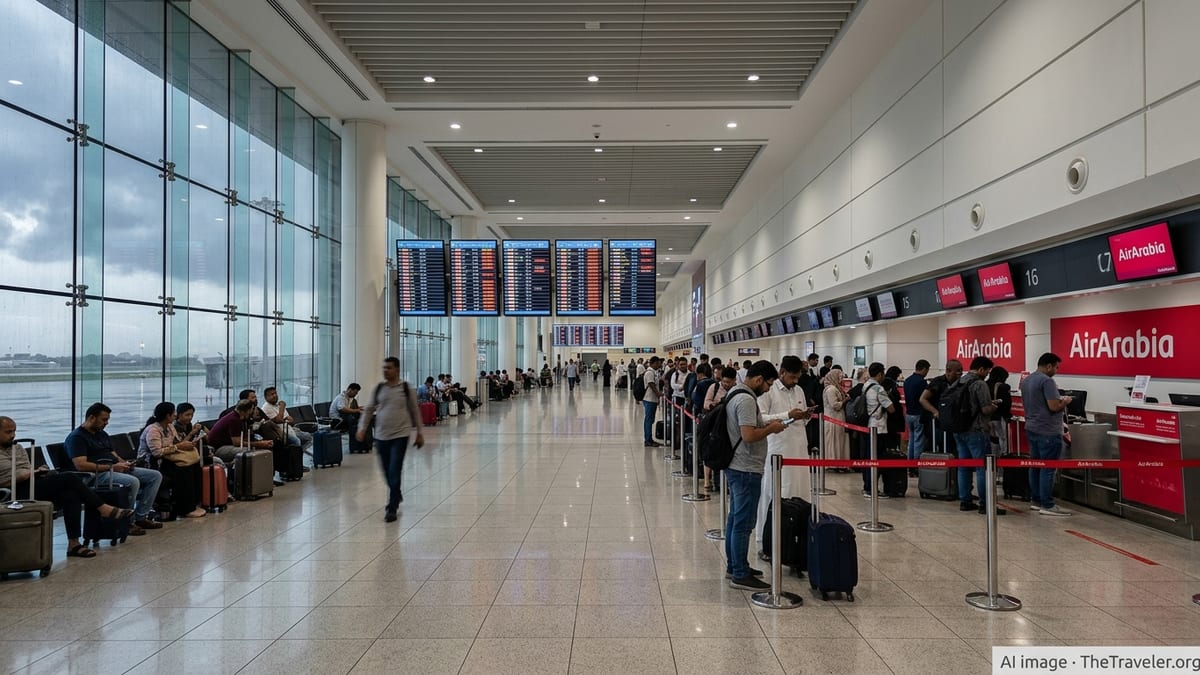
Publicly available information shows that flight status boards at major regional hubs such as Kuching, Miri and Kota Kinabalu have carried multiple AirBorneo services marked as delayed or cancelled in recent days. Passengers traveling on rural sectors, including lifeline routes connecting smaller towns and interior communities, appear to be among the most affected as schedules are thinned and frequencies adjusted.
According to published coverage, the airline has attributed the current wave of disruptions to the overlap of planned maintenance and unscheduled technical interventions on several aircraft at the same time. This has limited operational flexibility across a network that already runs with tight utilization to maintain connectivity to remote destinations.
Travel industry observers note that the disruption comes at a time of steady demand for domestic travel within Borneo, leaving fewer options for passengers to easily switch to alternative carriers, especially on subsidized public service obligation routes that AirBorneo inherited from MASwings.
New state carrier faces early operational test
The difficulties represent one of the first major operational tests for AirBorneo, which only commenced flying under its new brand in early 2026 after the Sarawak government completed the takeover and rebranding of MASwings. Prior to the current disruption, the airline had been positioning itself as a key driver of connectivity and tourism for the island, highlighting its role in linking secondary cities and remote airstrips across East Malaysia.
Information from aviation industry profiles shows that AirBorneo operates a mixed turboprop fleet of ATR aircraft and Twin Otter planes, many of which were transferred directly from MASwings. While this arrangement ensured continuity of service at launch, it also meant the airline inherited aircraft that are now hitting key maintenance milestones at roughly the same time, increasing the risk of concurrent groundings.
Analysts following the regional market point out that new carriers formed through rebranding or restructuring often face a period of operational adjustment as legacy fleets, staffing structures and maintenance programs are harmonized under new ownership. In AirBorneo’s case, that adjustment is playing out amid heightened public attention, as the airline is seen as a flagship project for Sarawak’s ambitions in aviation and tourism.
There is also a broader expectation that the airline will eventually expand beyond its current rural and inter Borneo focus to add more direct services between major cities and to nearby international destinations, a plan that depends on a stable and predictable core operation.
Impact on passengers and travel plans
For travelers, the immediate impact of the disruption has been felt in longer waiting times at airports, missed connections and last minute changes to itineraries. Reports from affected passengers on social platforms describe situations in which flights were retimed multiple times, or canceled within hours of departure, resulting in overnight stays and rebookings on later services where seats were available.
According to published guidance shared through local news outlets and customer advisories, passengers holding AirBorneo tickets have been urged to check their flight status frequently before leaving for the airport, using the airline’s online channels and airport information displays. Travelers are also being encouraged to allow extra time between domestic and onward connections, particularly when connecting to separate tickets on other airlines.
Consumer advocates in the region note that while Malaysia’s regulatory framework does not mirror European style compensation regimes, passengers affected by schedule changes and cancellations are generally entitled to refunds or rebookings in certain circumstances. The practical challenge, however, often lies in navigating airline procedures and securing timely assistance at smaller airports where staffing and ground handling resources may be limited during periods of disruption.
Tour operators that package trips around Borneo’s national parks and cultural attractions are also monitoring the situation closely. Many rely on AirBorneo’s rural network to move visitors between gateways such as Kuching and Kota Kinabalu and interior destinations, meaning prolonged disruption could complicate multi stop itineraries that are tightly scheduled.
Airline response and operational recovery efforts
Published coverage of the situation indicates that AirBorneo has framed the current disruption as a temporary but unavoidable consequence of necessary safety related maintenance and technical checks. The airline has said publicly that engineering teams are working to return aircraft to service as quickly as possible, while operations staff seek to consolidate loads and reaccommodate passengers on remaining flights.
Network data shows that the carrier has begun making tactical schedule adjustments, including combining low demand services, trimming certain off peak frequencies and deploying available aircraft on routes with the highest passenger volumes or with limited alternative transport options. These steps are intended to preserve minimum connectivity levels to remote communities, even if at reduced frequency.
Travel industry observers suggest that recovery may take several days, as aircraft cycle through maintenance hangars and undergo necessary testing before being cleared to fly. With the airline warning that delays and cancellations are likely to persist in the short term, passengers planning to travel within Sabah and Sarawak in the coming days are being advised to build additional flexibility into their itineraries.
In the medium term, AirBorneo’s previously announced fleet renewal plans, including orders for new ATR turboprops, are expected to gradually improve resilience by introducing younger aircraft and providing more headroom for maintenance planning. Until those aircraft are delivered and fully integrated, however, the airline’s operations will continue to rely heavily on a relatively small and intensively utilized turboprop fleet.
What travelers should do now
With no immediate end to the disruption signaled, regular travelers on the Borneo network are focusing on practical steps to reduce uncertainty. Aviation and consumer travel guides commonly recommend that passengers in such situations reconfirm their flights 24 hours and again a few hours before departure, keep contact details updated in airline booking systems and travel with contingency plans for overnight stays if connections are tight.
Travel agents in Malaysia report that some customers are exploring mixed carrier itineraries for time sensitive trips, using AirBorneo to access core regional hubs and then switching to alternative airlines where options exist. However, on many of the rural and subsidized routes, AirBorneo remains the only operator, leaving passengers reliant on whatever revised schedule the airline is able to maintain.
As the airline works through its maintenance backlog and technical checks, the episode is seen by regional aviation analysts as a reminder of the operational fragility that can affect small, geographically focused carriers with limited spare capacity. For passengers, it underscores the importance of active trip management and flexibility when flying on essential lifeline services across remote parts of Borneo.