


More news on this day
Passengers at Edinburgh Airport are facing cancellations and rolling delays today as a reported jet fuel supply problem disrupts airline operations and forces last minute changes to flight schedules.
Get the latest news straight to your inbox!
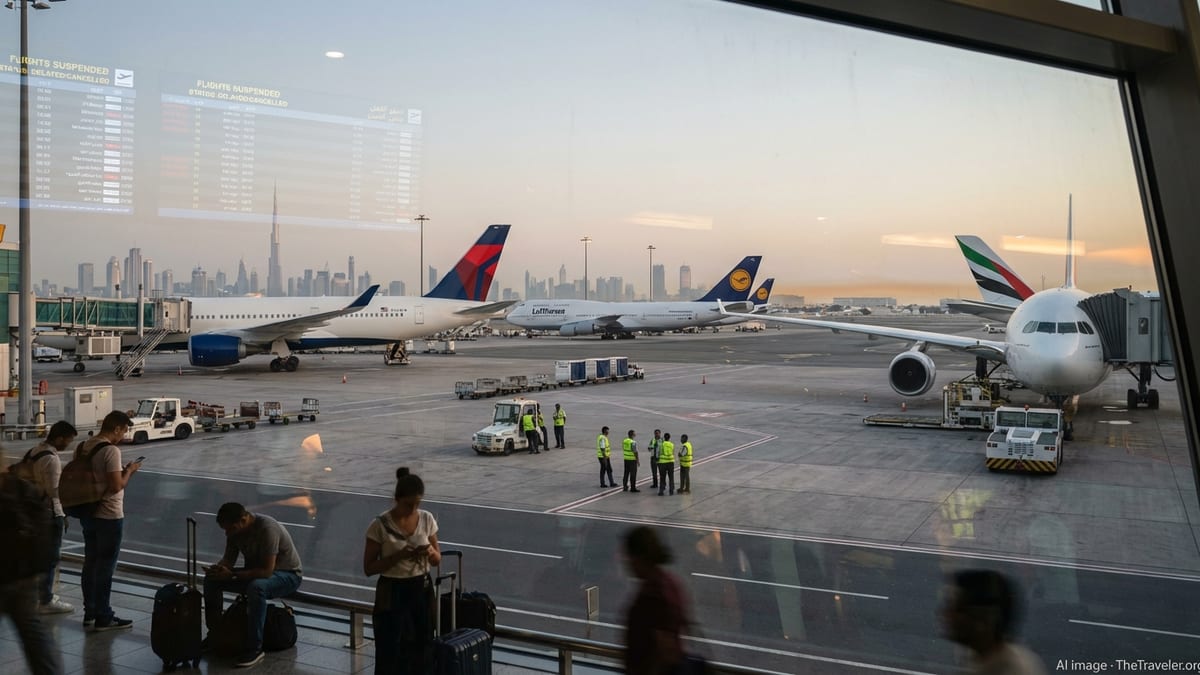
Fuel supply issues disrupt operations
Published coverage and first hand passenger accounts indicate that Edinburgh Airport has experienced an interruption to its jet fuel supply in recent days, with the impact continuing into Monday 8 June. Travellers have reported flights being cancelled outright or held on the ground for extended periods while airlines attempt to secure fuel or reroute aircraft.
Posts shared by passengers describe aircraft ready to depart but unable to take on sufficient fuel, as well as services to destinations including Malta and Stockholm being cancelled or diverted. Separate reports suggest that Glasgow Airport has also faced related fuel constraints, hinting at a wider issue in the regional supply chain rather than an isolated problem confined to one terminal.
Real time flight tracking boards on aviation data sites show a higher than usual number of late departures and a cluster of cancellations from Sunday into Monday on short haul European and UK domestic routes serving Edinburgh. While many flights are still operating, the pattern points to a day of disrupted schedules rather than a brief, isolated delay window.
Information pages for passengers on the airport’s official site continue to direct travellers to their airlines for specific updates, underlining that carriers retain responsibility for deciding whether a flight can operate, be delayed or cancelled when operational challenges such as fuel availability arise.
Passengers report last minute cancellations and long waits
Accounts shared on travel and aviation forums over the past week describe an increasingly unpredictable experience for passengers using Edinburgh Airport. Some travellers report learning of cancellations only after earlier delays, with aircraft kept at the gate while crews await clarity on fuel supplies or operational permissions.
Several posts recount flights that were initially delayed due to fuel concerns before being cancelled later in the day, leaving passengers scrambling for alternative options on already busy routes. In some cases, travellers state that replacement flights on the same day were not available, forcing them to seek rebooking for the following morning or to abandon their trip altogether.
Others describe extended time spent in the terminal while airlines assessed whether enough fuel could be obtained to complete a sector, with departure boards repeatedly updated as estimated times moved back. These experiences align with broader data from airport performance trackers, which show elevated delay minutes and a noticeable cluster of disruption around services into and out of Edinburgh.
For some passengers, the disruption has also had knock-on effects, including missed connections at other hubs, extra hotel nights and unexpected ground transport costs when flights are diverted or re-routed to airports where fuel is available.
Impact on airlines and route network
The fuel supply issue arrives during an already busy early summer period for Edinburgh Airport, when airlines typically ramp up frequencies on holiday routes to southern Europe alongside core domestic and business services. Schedules for June and July show expanded operations to destinations such as Tenerife, Catania and a range of European city breaks, which depend on reliable turnarounds and predictable fueling windows.
Carriers using Edinburgh have been contending with a range of pressures in recent months, including general European air traffic congestion, occasional weather-related disruption and wider industry concerns about fuel prices and logistics. Travel industry analysis published in April already warned that fuel constraints at some UK airports, including Edinburgh, could generate delays across May and June if supply challenges persisted.
Recent months have also seen isolated incidents of cancellations for technical or staffing reasons on specific services from Edinburgh to hubs such as Dublin, with reports of flights being held for hours before aircraft or crews were declared unavailable. The latest fuel-related disruption therefore compounds an operational environment in which many airlines are already running tight schedules with limited margin for additional delays.
While there is no indication that the broader summer timetable from Edinburgh is being cut back, the current situation illustrates how quickly a localised supply problem can ripple through a complex network, affecting multiple airlines and destinations even when only a limited number of flights are formally cancelled.
Guidance for affected travellers
Publicly available advice from consumer groups and aviation compensation specialists stresses that passengers caught up in cancellations and long delays at Edinburgh should first confirm the latest status of their flight directly with their airline, using official apps or flight status tools. Airport live departure and arrival boards can provide an overview, but individual carriers control rebooking, refunds and any assistance that may be offered.
Travel rights under UK aviation regulations may apply in some cases, particularly where flights are cancelled at short notice or arrive significantly late. However, compensation depends on the cause of the disruption and whether it is considered within an airline’s control. Fuel supply problems linked to external infrastructure or broader logistics may be treated differently from internal operational issues, and passengers are encouraged to keep records of boarding passes, booking confirmations and written notices of disruption.
Travel planners recommend that anyone due to depart from Edinburgh in the coming days build additional time into their journey, monitor flight information closely and consider flexible arrangements for onward connections. Those with non refundable accommodation or tours at their destination may wish to review their travel insurance coverage, as policies can differ significantly in how they respond to airport level operational disruptions.
Reports from recent days suggest that conditions at the airport can change quickly as fuel supplies shift and airlines adjust rotations. As a result, even passengers whose flights appear to be operating on schedule are being advised to check for updates frequently on the day of travel and to proceed through check in and security without delay once their airline has confirmed that their service is going ahead.