


More news on this day
A special train operated by Northern Railway has transported more than 600 stranded tourists and other passengers from Srinagar to Katra, providing a crucial window of relief after days of heavy rain, landslides and traffic disruption along the Jammu–Srinagar National Highway.
Get the latest news straight to your inbox!
Highway Closures Trigger Emergency Rail Response
According to published coverage from regional outlets on July 23, the Jammu–Srinagar National Highway remained either closed or severely restricted for a second consecutive day following intense rainfall across Jammu and Kashmir. Multiple landslides, shooting stones and patches of road erosion were reported at several points on the 250 kilometre corridor that serves as the primary all-weather link between the Kashmir Valley and the rest of India.
Publicly available information indicates that the slow and frequently halted traffic left hundreds of vehicles stuck on different stretches of the highway, with many tourists and pilgrims unable to proceed toward Jammu or return to Srinagar. The disruption coincided with a busy summer season and heightened pilgrimage traffic toward the shrine of Shri Mata Vaishno Devi at Katra, compounding concerns about congestion and accommodation in the region.
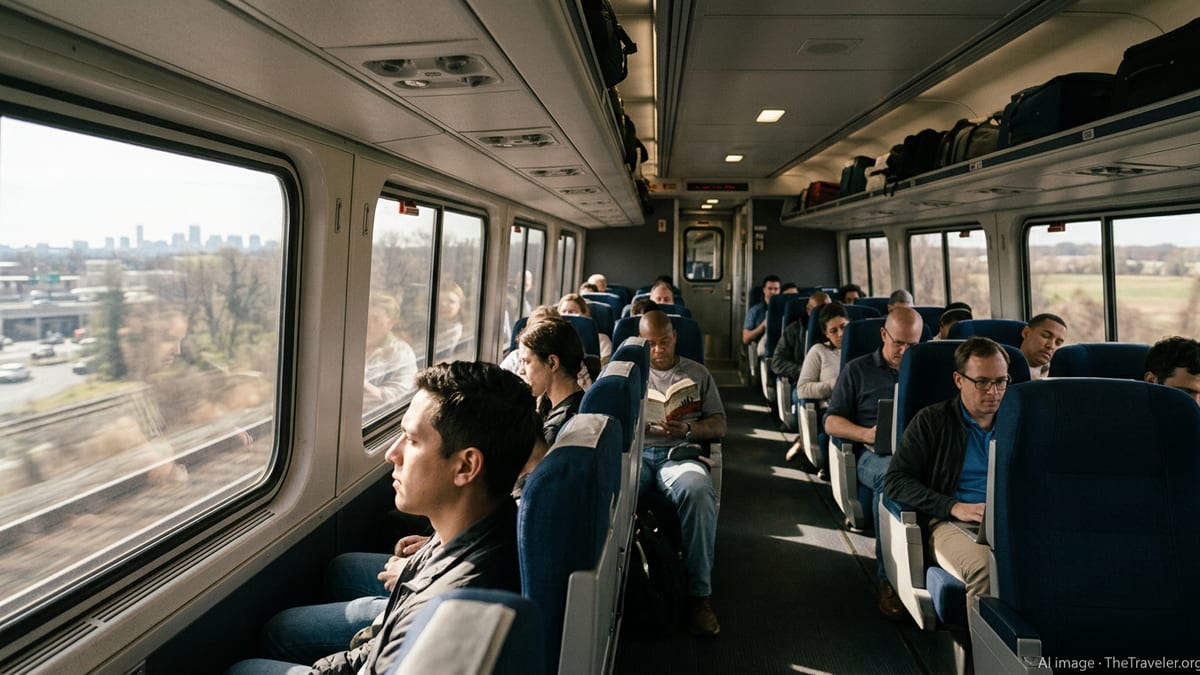
In this context, Northern Railway arranged a special train service from Srinagar to Katra to move stranded passengers away from the affected areas. Reports indicate that more than 600 tourists and other travelers boarded the train, which effectively created a rail-based evacuation corridor bypassing the unstable road sections and easing pressure on local authorities managing the highway closure.
Operational details released through news reports suggest that the service was mounted on short notice, reflecting the increasing role of the newly completed rail link between the Valley and Jammu region during episodes of severe weather. The ability to activate an additional long-distance passenger service underscored how rail infrastructure is beginning to function as a strategic safety valve when the highway is compromised.
New Rail Connectivity Emerges as a Weather-Proof Lifeline
The special train is part of a broader transformation in mobility across Jammu and Kashmir, where the completion of key segments of the Udhampur–Srinagar–Baramulla rail link has, for the first time, offered near-continuous rail connectivity between the plains and the Valley. Official press releases in recent months have highlighted regular Vande Bharat services and reserved trains linking Jammu Tawi, Katra, Banihal, Srinagar and Baramulla, sharply cutting travel time compared with road journeys.
Publicly available information shows that these trains traverse major engineering landmarks such as the Chenab Rail Bridge and the Banihal tunnel, projects explicitly designed to ensure all-weather connectivity. Railway briefings have repeatedly underlined that one of the main objectives is to reduce dependence on the Jammu–Srinagar highway, which is prone to closures during heavy rain, snowfall and frequent slope failures.
Recent government communication on rail operations in the region has pointed to robust passenger numbers on the new services, with tens of thousands of people using the route in a matter of days during peak periods. Analysts of the sector note that this steady base of demand creates the operational flexibility required to insert additional trains, such as the latest Srinagar–Katra special, when weather-related emergencies arise.
For tourists and pilgrims, the evolving rail map is gradually changing how trips to Kashmir and Vaishno Devi are planned. Travel writers and local media have begun to describe itineraries that rely on rail for the bulk of the journey, using road transport only for last-mile connectivity, particularly during months when the risk of highway disruptions is elevated.
Tourism and Pilgrimage Seasons Expose Vulnerabilities
The timing of the latest highway disruption has again highlighted how vulnerable tourism and pilgrimage movements remain to extreme weather in the Himalayan foothills. July traditionally brings a surge of visitors to Kashmir’s hill stations and lakes, while pilgrimage flows to the Vaishno Devi shrine near Katra and other religious sites in the wider Jammu region remain strong throughout the summer.
Media reports from Jammu and Srinagar describe hotels filling up rapidly when the highway closes, with tourists forced to extend stays in the Valley or in way-point towns such as Ramban and Udhampur. The sudden spike in demand for accommodation, food supplies and local transportation adds an economic and logistical strain that can quickly escalate if weather conditions deteriorate over several days.
In recent years, the authorities have periodically leaned on rail-based solutions. Previous winter and monsoon seasons saw special trains introduced between Katra and Srinagar or Banihal when heavy snowfall or persistent rain shuttered the highway for extended periods. Public records from these episodes show that thousands of passengers were moved by rail in a matter of days, easing crowding at bus stands and reducing the number of people stranded at high-risk locations along the road corridor.
The latest Srinagar–Katra special fits that emerging pattern. While the number of passengers, reported at more than 600, is modest relative to peak seasonal flows, analysts of the region’s tourism economy view such operations as crucial visible signals that alternative transport is available. This reassurance can be decisive in preventing large-scale cancellations and maintaining confidence among domestic travelers who may be weighing whether to proceed with planned holidays or pilgrimages.
Safety, Logistics and the Traveler Experience
Travel advisories for the Jammu–Srinagar highway commonly warn of risks associated with landslides, falling rocks and sudden weather changes, particularly along vulnerable stretches like Ramban and Banihal. The recent spell of heavy rain, which regional news outlets link to an increase in landslide and shooting-stone incidents, has once again drawn attention to these hazards and the challenges of maintaining a mountain highway under stress.
Rail, by contrast, is increasingly portrayed in national and local coverage as a safer and more predictable option, especially for families and older pilgrims. Modern rolling stock, reserved seating and the ability to maintain timetables even when the road network is disrupted are cited as advantages that are beginning to reshape traveler expectations in the region.
The swift deployment of the Srinagar–Katra special also underlines the importance of flexible logistics. Railway planners are now expected to anticipate spikes in demand linked not only to festivals and school holidays but also to episodic crises such as extreme weather or temporary airport closures. The latest operation suggests that the system is edging closer to that model, with spare capacity and crew availability being mobilized to run additional services on short notice.
For tourists caught in the recent disruption, the chance to leave the Valley by rail rather than waiting for an uncertain window on the highway likely altered the overall experience of their trip. Travel operators based in Jammu and Srinagar are already indicating, through publicly available commentary, that they may increasingly build rail contingency options into standard packages, especially for visitors unfamiliar with the region’s weather patterns.
Outlook for Monsoon Travel in Jammu and Kashmir
The events surrounding the latest highway closure and the operation of the special Srinagar–Katra train are likely to shape official and industry planning for the rest of the 2026 monsoon. Meteorological updates point to the possibility of further heavy rainfall episodes in the western Himalayas, which could prompt additional short-notice transport interventions.
Transport planners and tourism boards tracking recent patterns are expected to focus on improving information flow to travelers, including clearer guidance about rail alternatives when the highway is partially or fully shut. Regional media commentary suggests that demand for dedicated monsoon-season rail capacity between Katra, Jammu and Srinagar is growing, particularly among budget-conscious domestic tourists.
The growing web of rail services, including special trains activated in response to bad weather, is gradually pushing Jammu and Kashmir toward a more resilient travel ecosystem. While the Jammu–Srinagar National Highway will remain a critical artery for freight and road-based tourism, the latest operation indicates that rail is now positioned to shoulder a larger share of emergency passenger movements when conditions deteriorate.
For travelers watching the situation from other parts of India and abroad, the episode serves as a reminder to factor in seasonal volatility when planning trips to the region. It also showcases how quickly the mobility landscape has changed in just a few years, with the Srinagar–Katra rail corridor now able to step in as a viable backup when the mountains close the road.