


More news on this day
Regional carrier AirBorneo is warning passengers to brace for further flight delays and cancellations across its network in Sabah and Sarawak as ongoing aircraft maintenance continues to disrupt rural air services.
Get the latest news straight to your inbox!
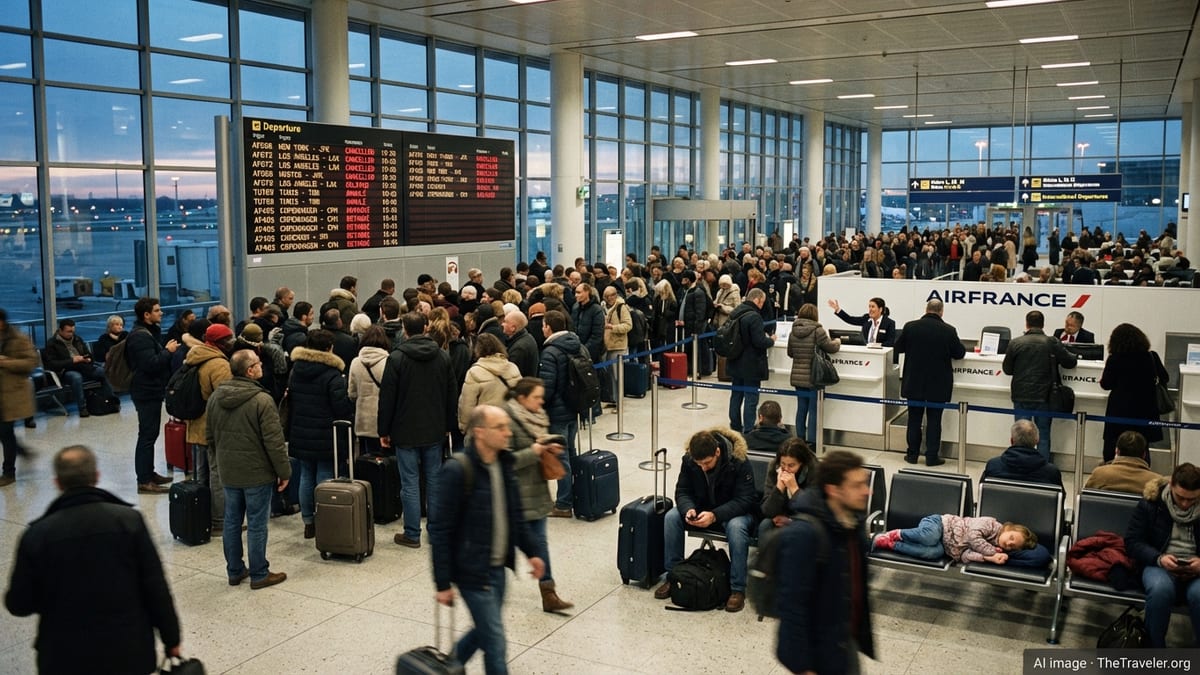
Maintenance Squeeze Extends Disruptions Across East Malaysia
Publicly available information indicates that AirBorneo has cautioned travelers about continued disruption on selected routes as several turboprop aircraft undergo scheduled and unscheduled maintenance at the same time. The overlap is affecting the carrier’s carefully balanced fleet, which is heavily relied upon to serve short-haul sectors in East Malaysia.
Reports from regional news outlets describe a tightening of capacity on core routes linking secondary cities and remote airstrips, with some frequencies reduced and others temporarily removed from schedules. Passengers on affected services are being shifted to later flights where possible, while some journeys are being rerouted through larger hubs such as Kuching and Miri.
Flight-tracking data and published airport movements show that AirBorneo continues to operate a substantial number of services daily, but with more last-minute time changes than usual. Travelers heading to smaller destinations in Sabah and Sarawak are experiencing the greatest uncertainty, reflecting the airline’s dependence on a limited turboprop fleet tailored to short runways and challenging terrain.
According to coverage in Malaysian media, the carrier has emphasized that the maintenance work is necessary to keep the fleet compliant with regulatory and safety requirements, and that disruption should ease once more aircraft return to service over the coming weeks.
Rural Air Services Under Strain
AirBorneo, formed through the transfer and rebranding of MASwings operations to the Sarawak state government at the start of 2026, has been tasked with providing essential Rural Air Services that connect isolated communities to larger population centers. Public records describe this role as a public service obligation, under which the airline maintains scheduled links that might not be commercially viable on their own.
These obligations mean that even relatively small fluctuations in fleet availability can have outsized consequences. On routes where only one or two return services operate each day, the removal of a single rotation can leave communities with far fewer options to reach medical facilities, government services or onward connections to major cities.
Published commentary from local transport analysts notes that the airline’s current turboprop mix, including ATR and Twin Otter aircraft, is optimized for short takeoff and landing performance rather than spare capacity. With little redundancy built in, concurrent maintenance events can quickly cascade into wider schedule changes, particularly when aircraft have to be ferried to larger airports for heavy checks.
Travel industry observers say the strain on rural air links highlights the challenge of balancing commercial realities with social obligations in sparsely populated regions, especially when a single state-backed carrier is responsible for most intra-Borneo connections.
Advice for Impacted Travelers
In light of the ongoing disruption, consumer guidance published by Malaysia’s civil aviation regulators and travel industry bodies urges passengers to monitor their flight status closely in the days and hours before departure. Many carriers in the region, including AirBorneo, provide near real-time status updates through airport information screens and customer communication channels.
Travel advisories recommend that passengers whose journeys involve onward connections build in additional buffer time, particularly when traveling from smaller airports served by Rural Air Services into major hubs for international departures. Where practical, travelers are being encouraged to consider earlier flights in the day to reduce the risk that a delay or cancellation could cause them to miss long-haul connections.
Publicly available information on Malaysia’s aviation consumer protection rules outlines compensation and care obligations in cases of significant delays and cancellations. Passengers are advised to keep boarding passes, booking confirmations and any written communication from airlines as documentation if they later need to make a claim under national regulations or with their travel insurance provider.
Industry reports also suggest that travelers heading to remote destinations should prepare for the possibility of overnight stays if services are disrupted, particularly during peak school holiday and festival periods when alternative seats may be limited.
Fleet Expansion Plans Provide Longer-Term Relief
While the current wave of maintenance-related disruption is creating short-term challenges, AirBorneo’s published fleet plans point to a gradual easing of pressure over the next year. The airline has announced orders for additional ATR turboprops intended to modernize and expand its Rural Air Services fleet, with deliveries scheduled to support more reliable and fuel-efficient operations.
Industry coverage indicates that the carrier is also preparing to introduce jet operations using Boeing 737-800 aircraft on regional routes from its Kuching hub later this year. These jets are expected to handle higher-demand sectors to destinations such as Kuala Lumpur, Kota Kinabalu, Singapore and Jakarta, allowing turboprops to be redeployed to rural and secondary markets.
Aviation analysts writing in regional business publications suggest that a more diversified fleet, combining turboprops and jets, should give AirBorneo greater flexibility to absorb maintenance events and operational disruptions. By shifting some trunk routes onto jets, the airline could free up turboprop capacity to maintain frequency in smaller communities, even when several aircraft are temporarily out of service.
However, observers also caution that new aircraft introductions bring their own operational complexities, from pilot training and maintenance tooling to schedule redesign. In the near term, the airline will need to manage these transitions while still meeting the expectations of passengers who depend on its network for everyday mobility.
Broader Pressures on Regional Air Connectivity
The situation at AirBorneo is unfolding against a backdrop of broader pressures on regional aviation in Southeast Asia. Industry reports over recent months have documented global aircraft parts shortages, lengthened maintenance turnaround times and high demand for narrowbody aircraft, all of which can limit airlines’ ability to recover quickly from disruptions.
In Malaysia, publicly accessible statements from aviation regulators have highlighted the importance of transparent communication with passengers during periods of irregular operations. Guidance published in late May emphasized that travelers should be encouraged to stay updated on flight status and to familiarize themselves with their rights in the event of delays or cancellations.
Analysts following the sector note that East Malaysia presents particular operational challenges, with weather variability, mountainous terrain and a patchwork of small airports placing added demands on pilots and aircraft. These factors can compound the impact of maintenance-related capacity constraints, increasing the likelihood that schedules will need to be adjusted at short notice.
For travelers, the current disruptions at AirBorneo serve as a reminder that regional connectivity in Borneo remains highly sensitive to the availability of a relatively small fleet. Until additional aircraft are delivered and fully integrated into operations, passengers are likely to face a period of less predictable travel, making advance planning and real-time monitoring more important than ever.